Hoi An - To The Sea
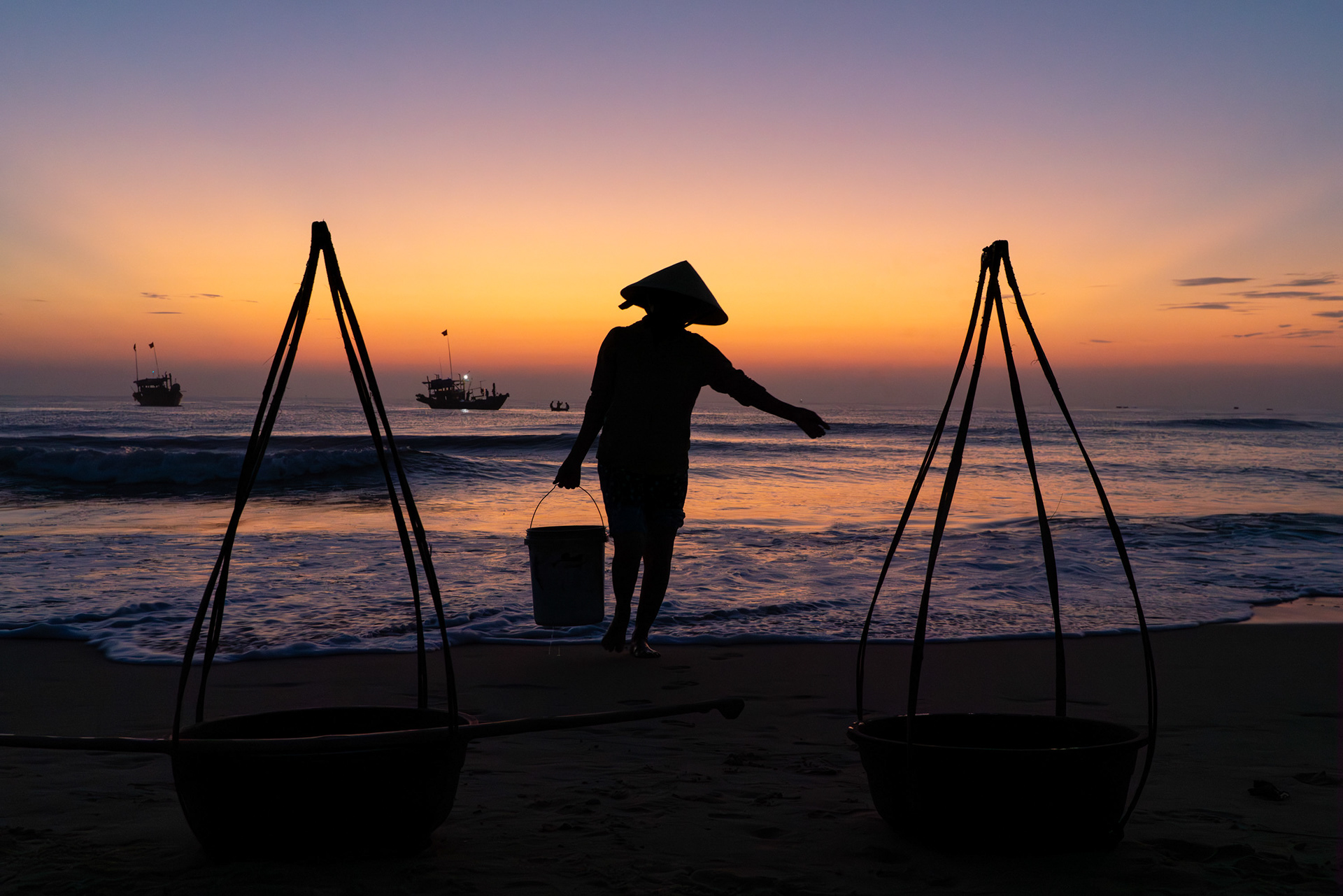
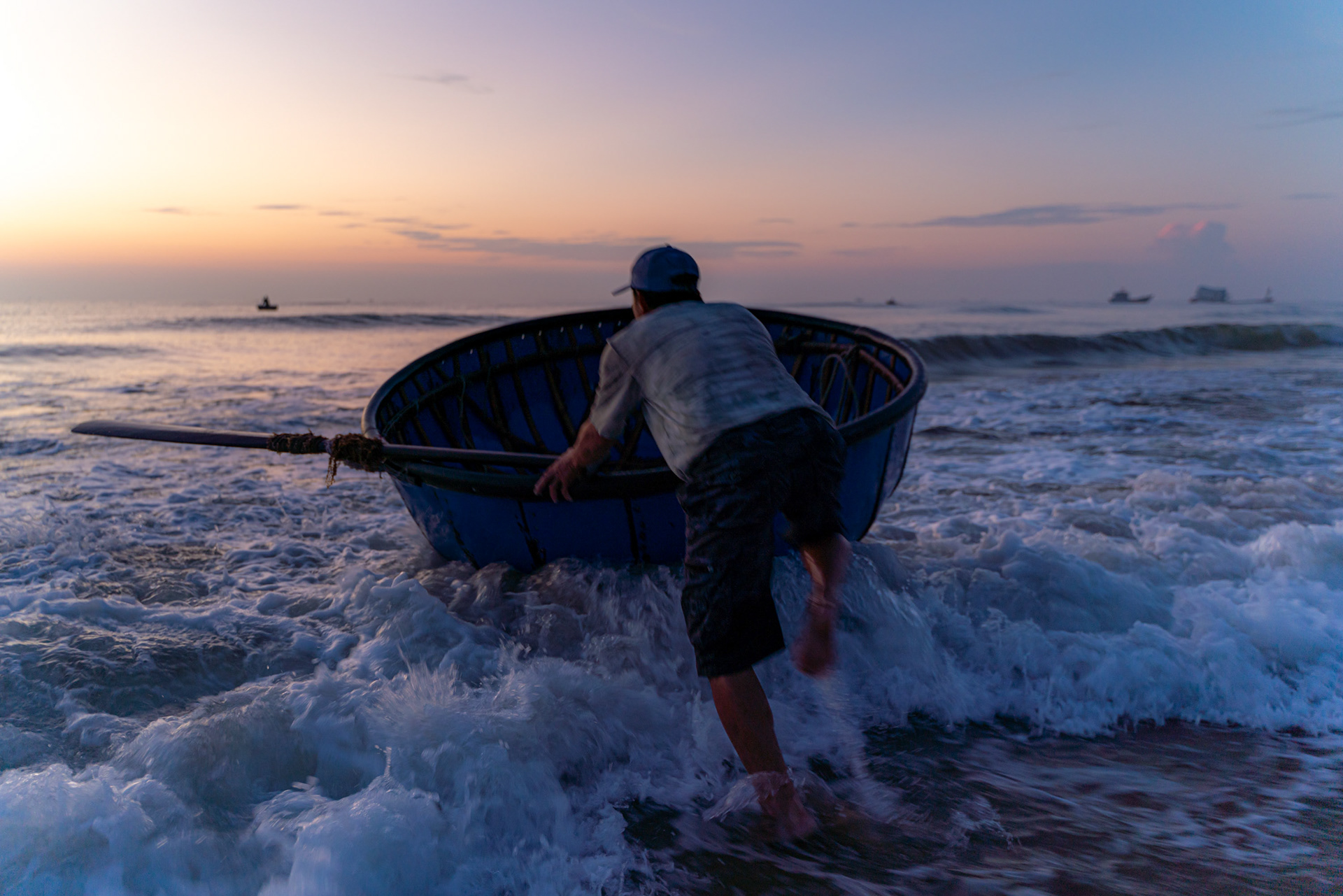
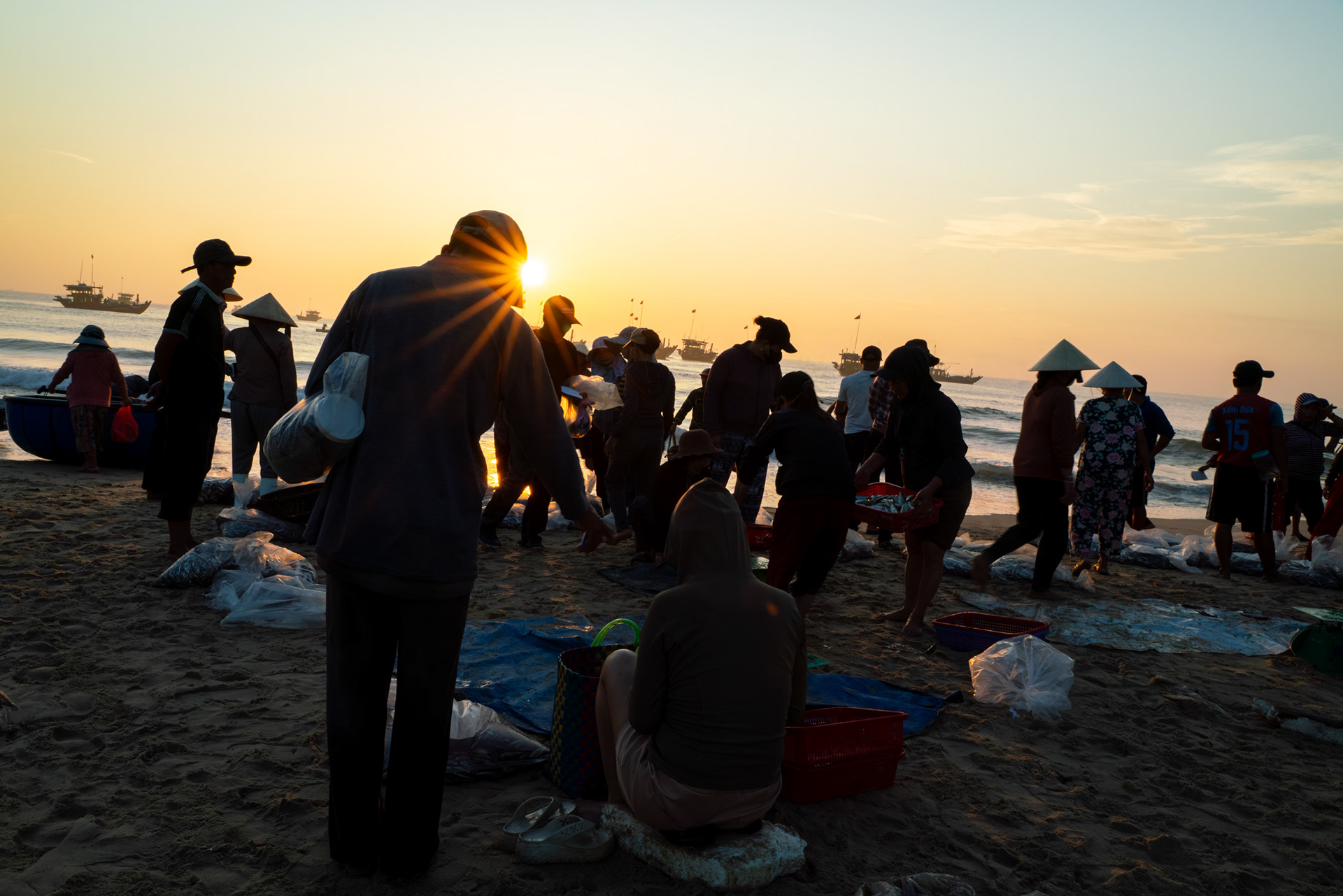
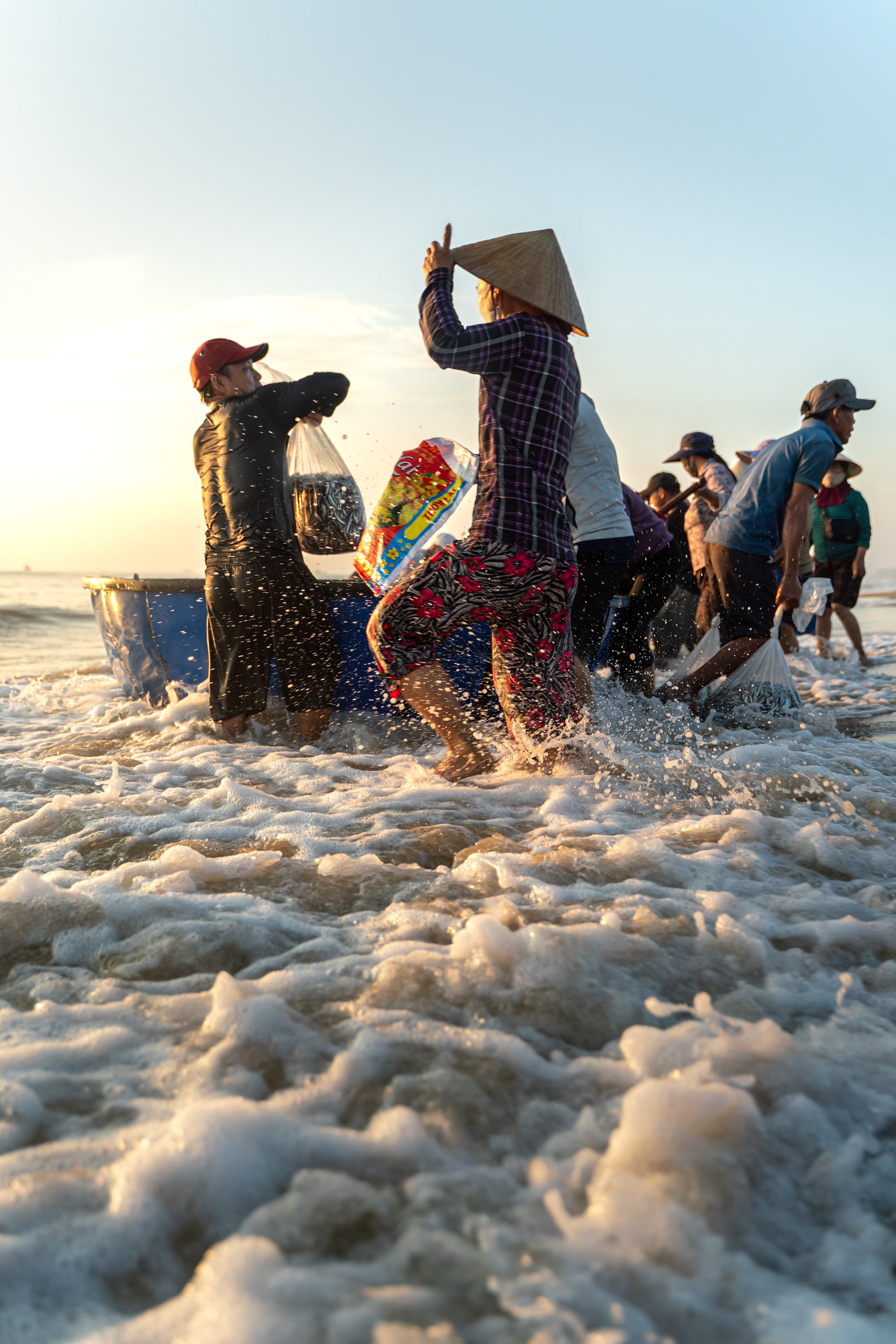
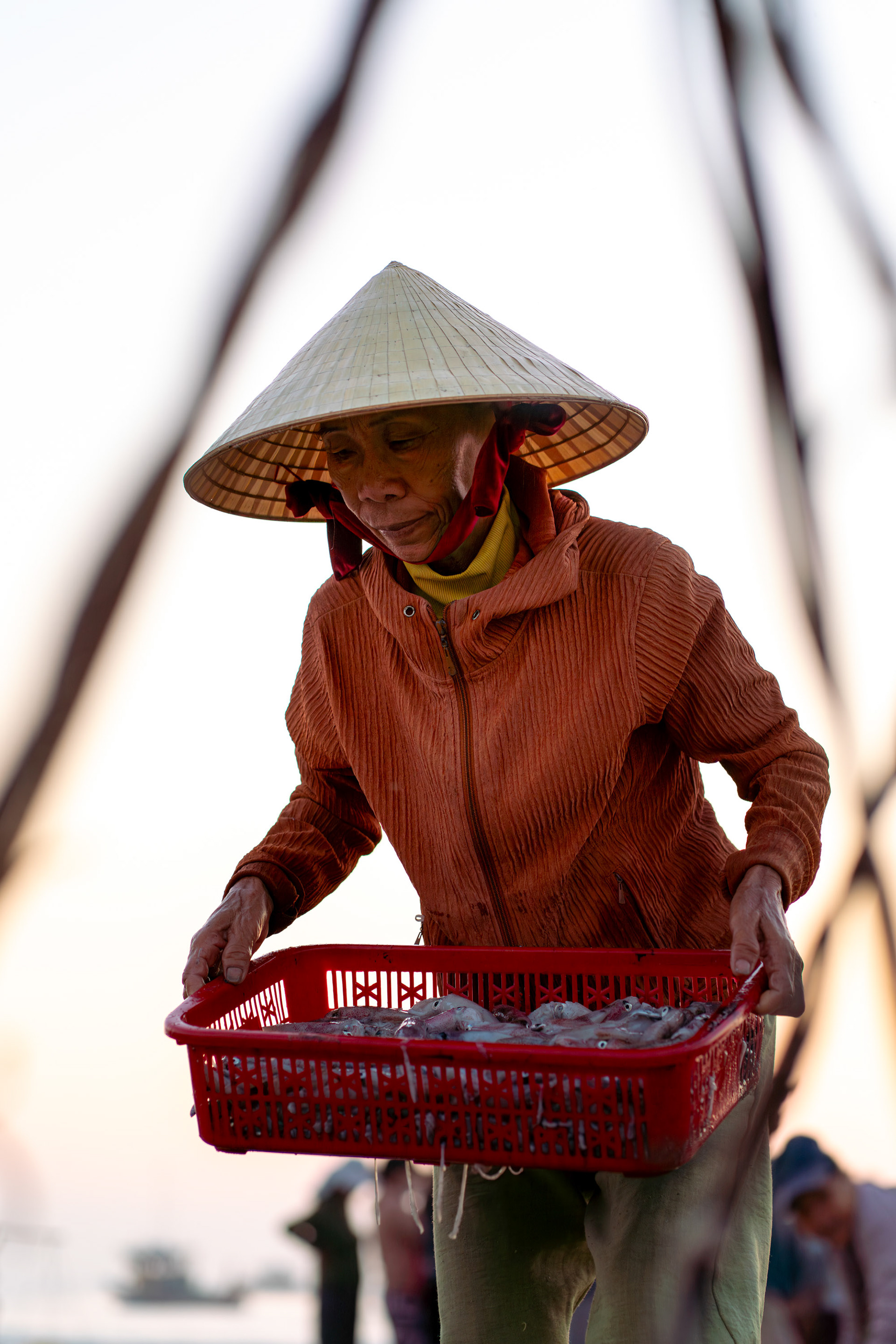
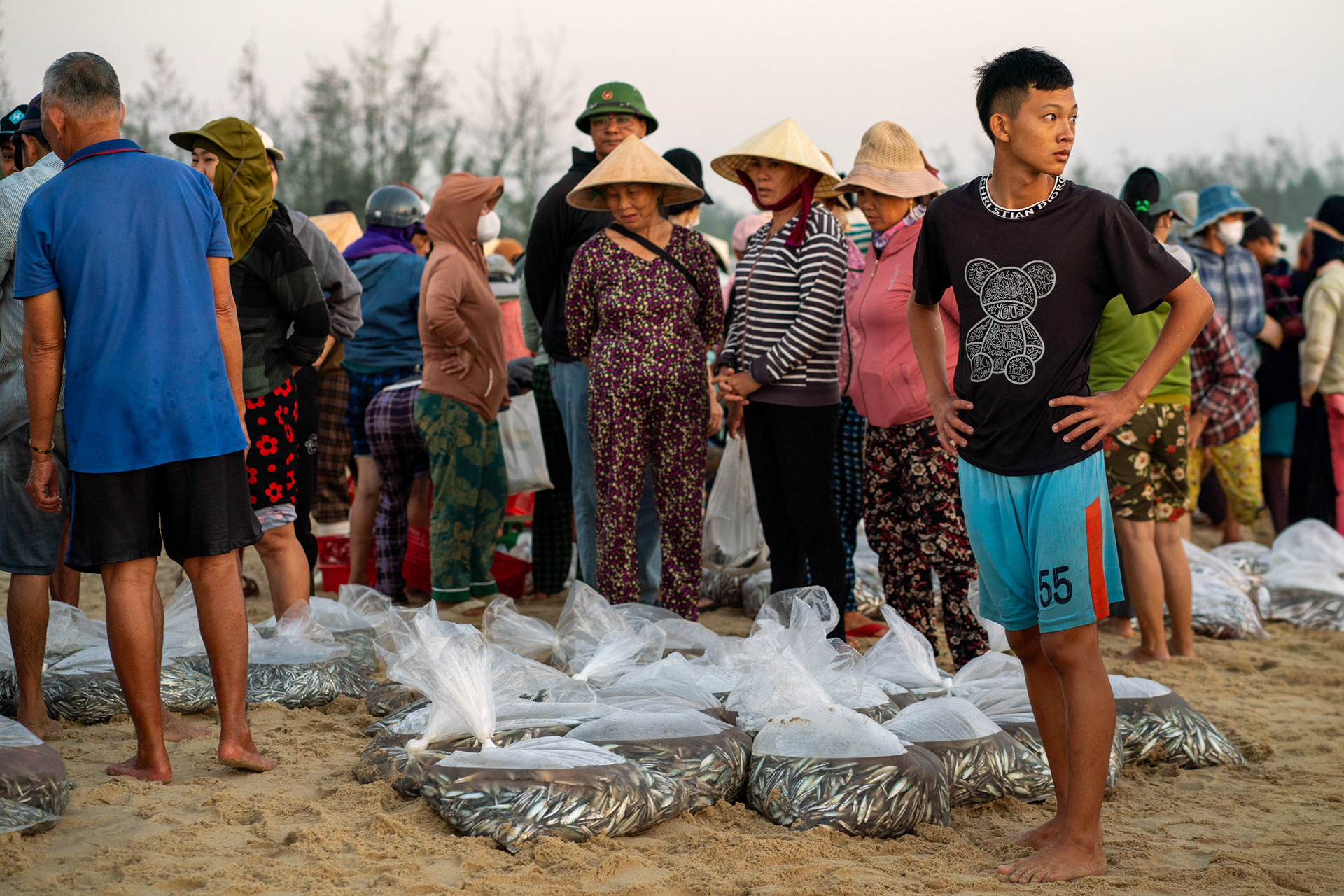
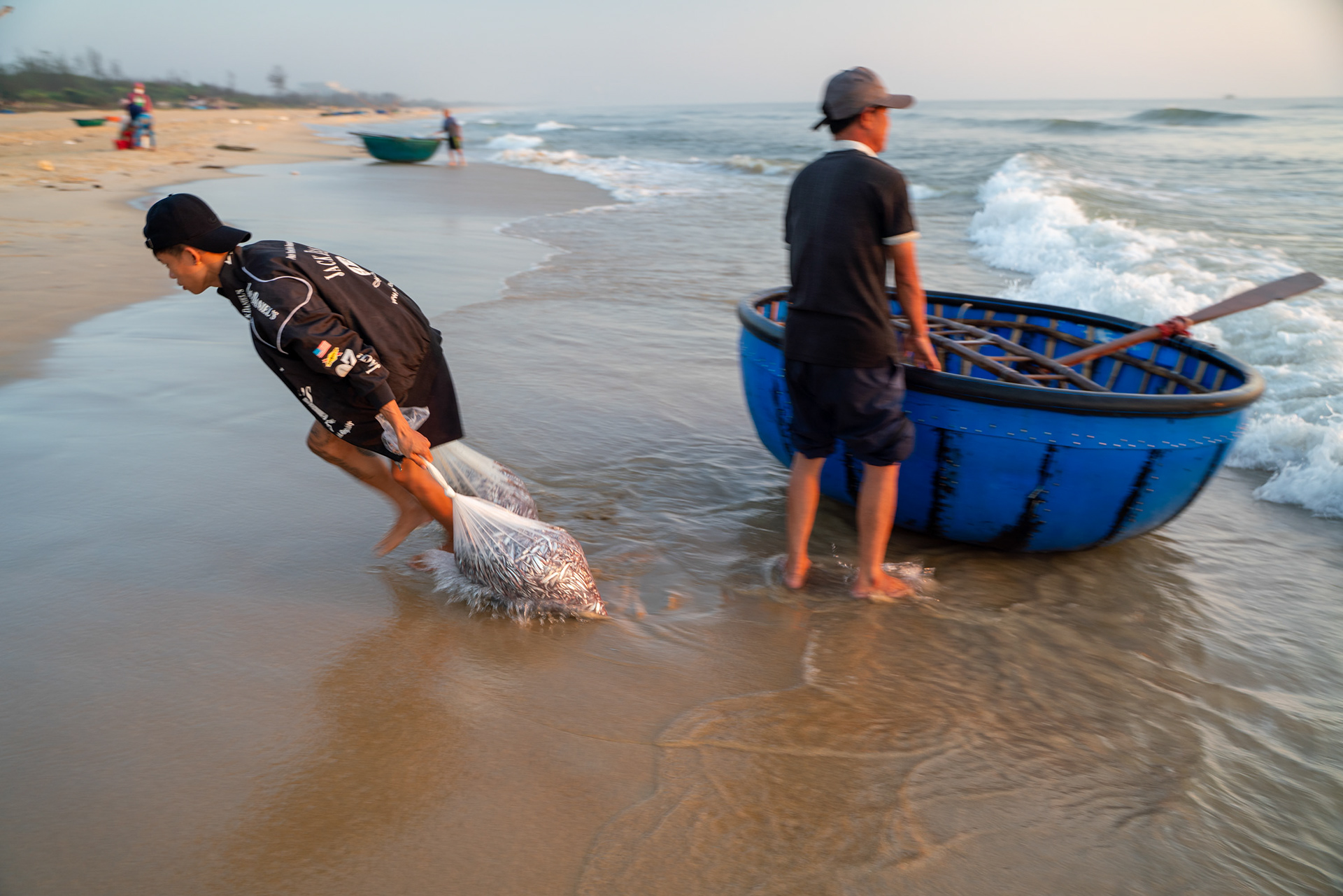
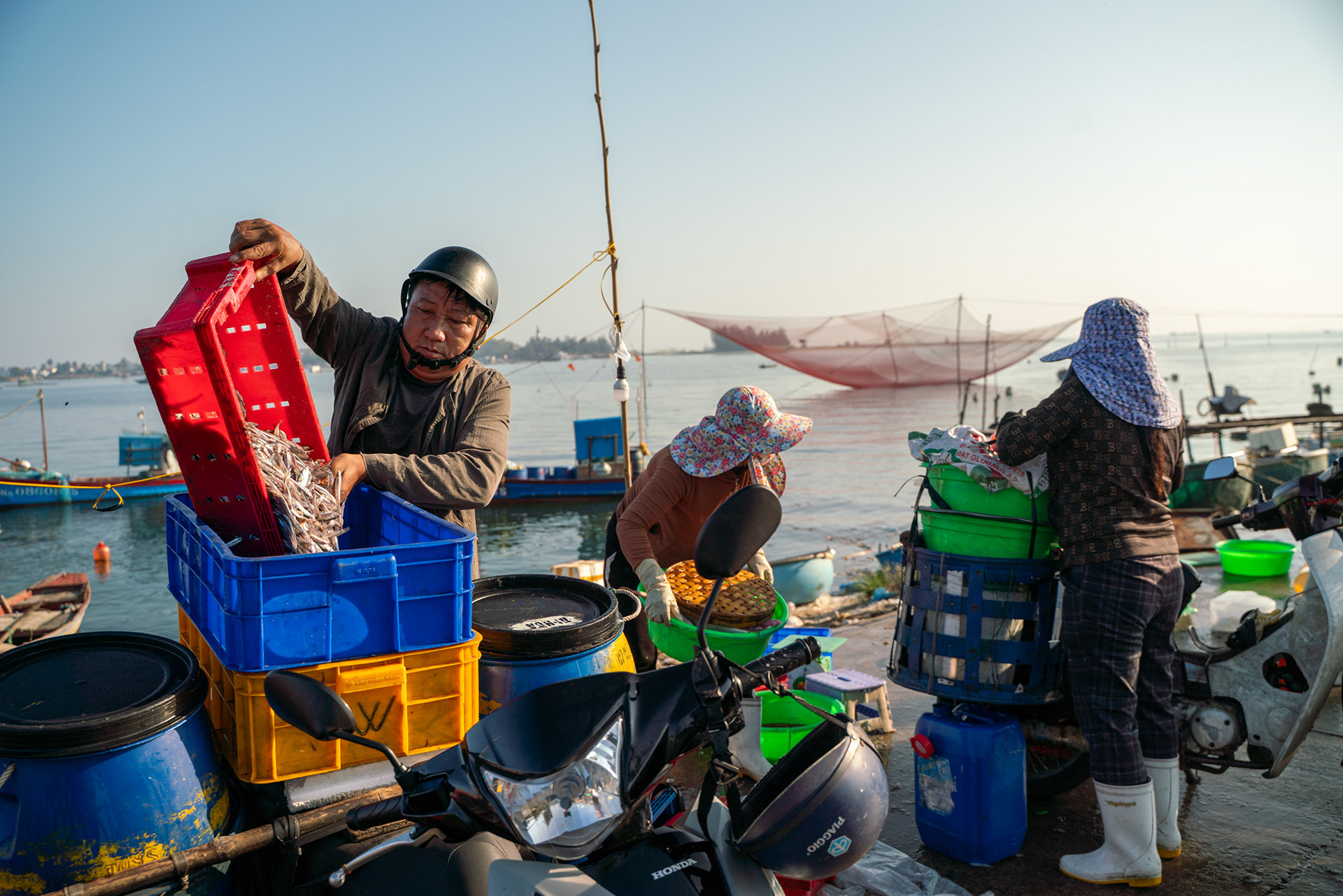
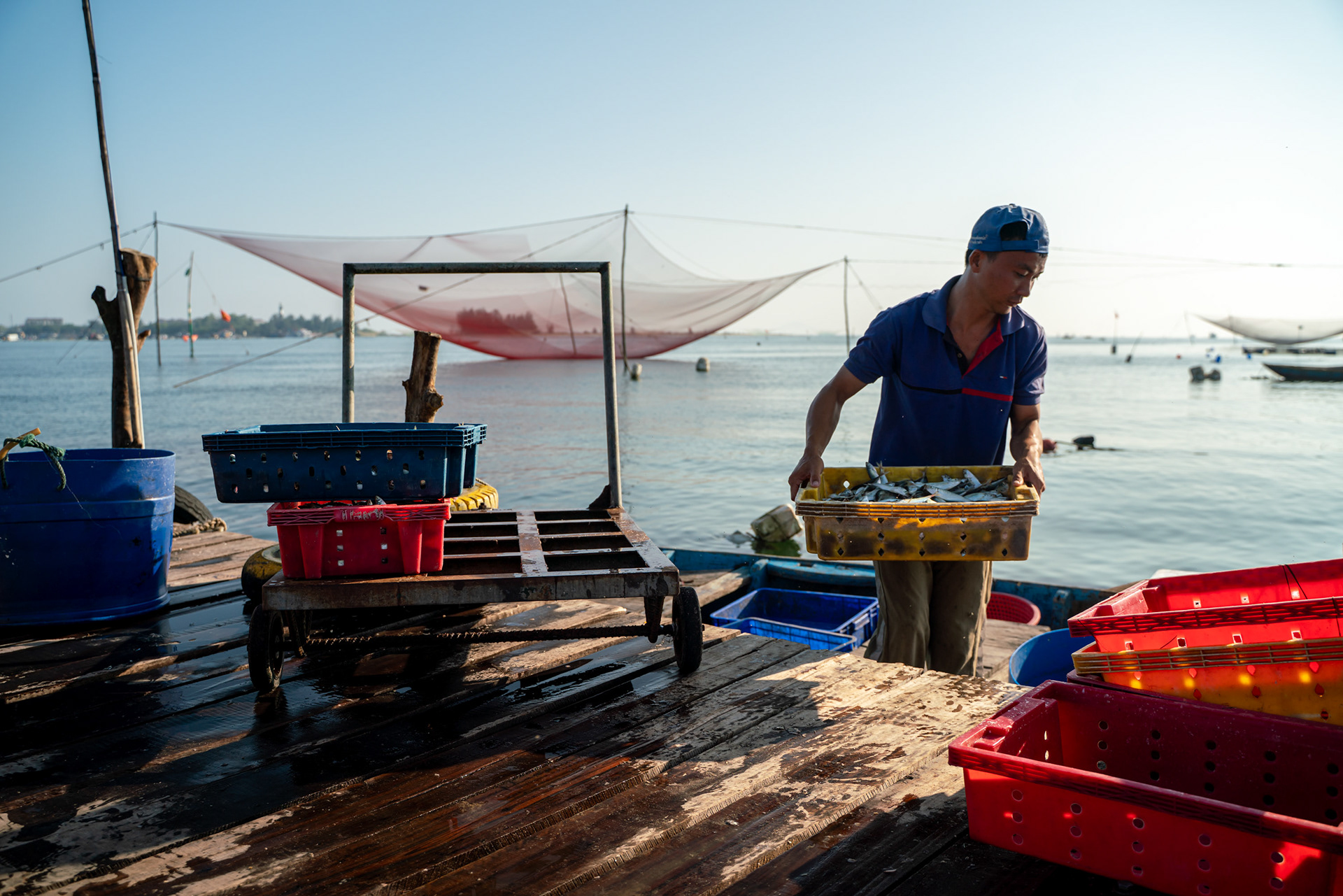
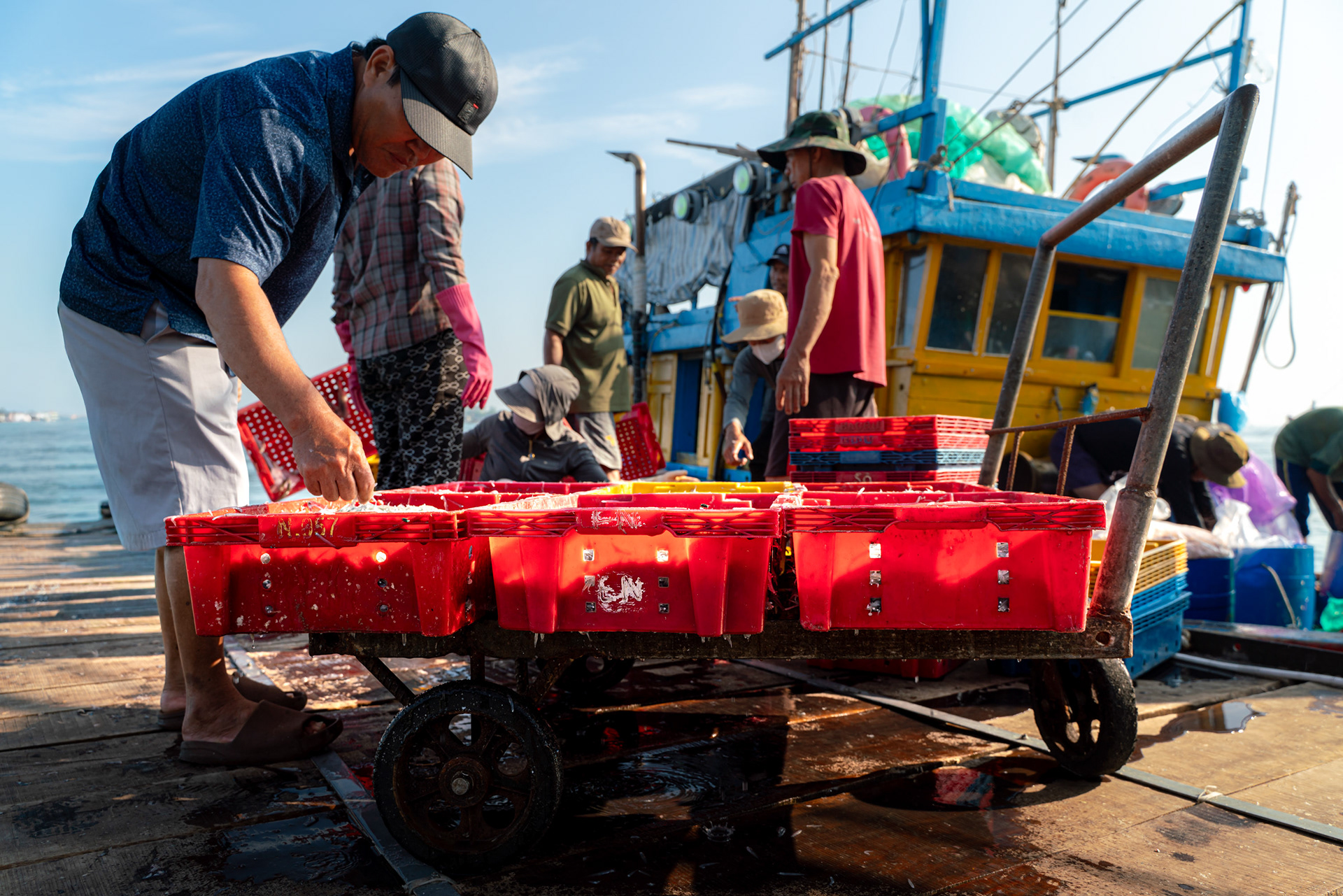
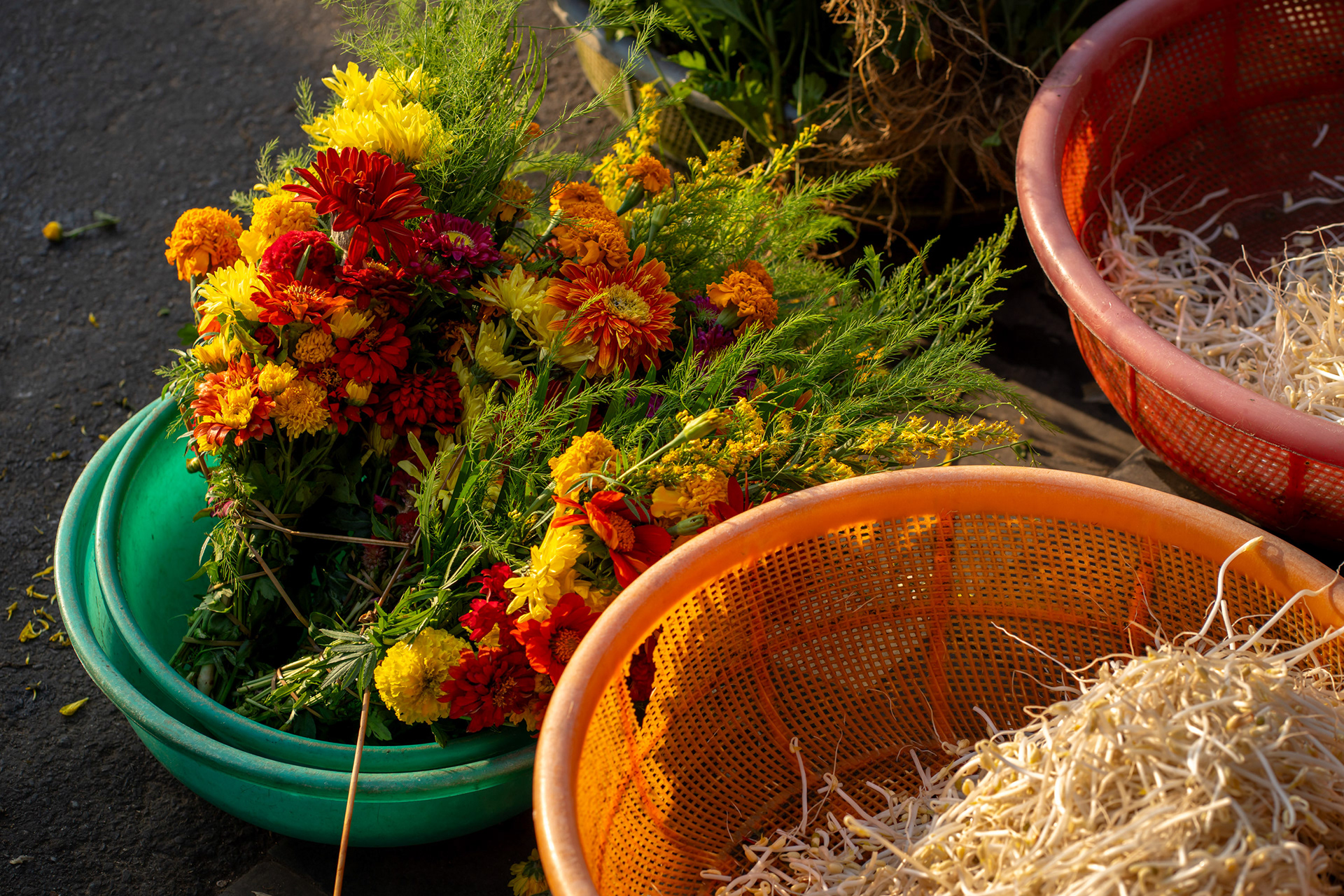
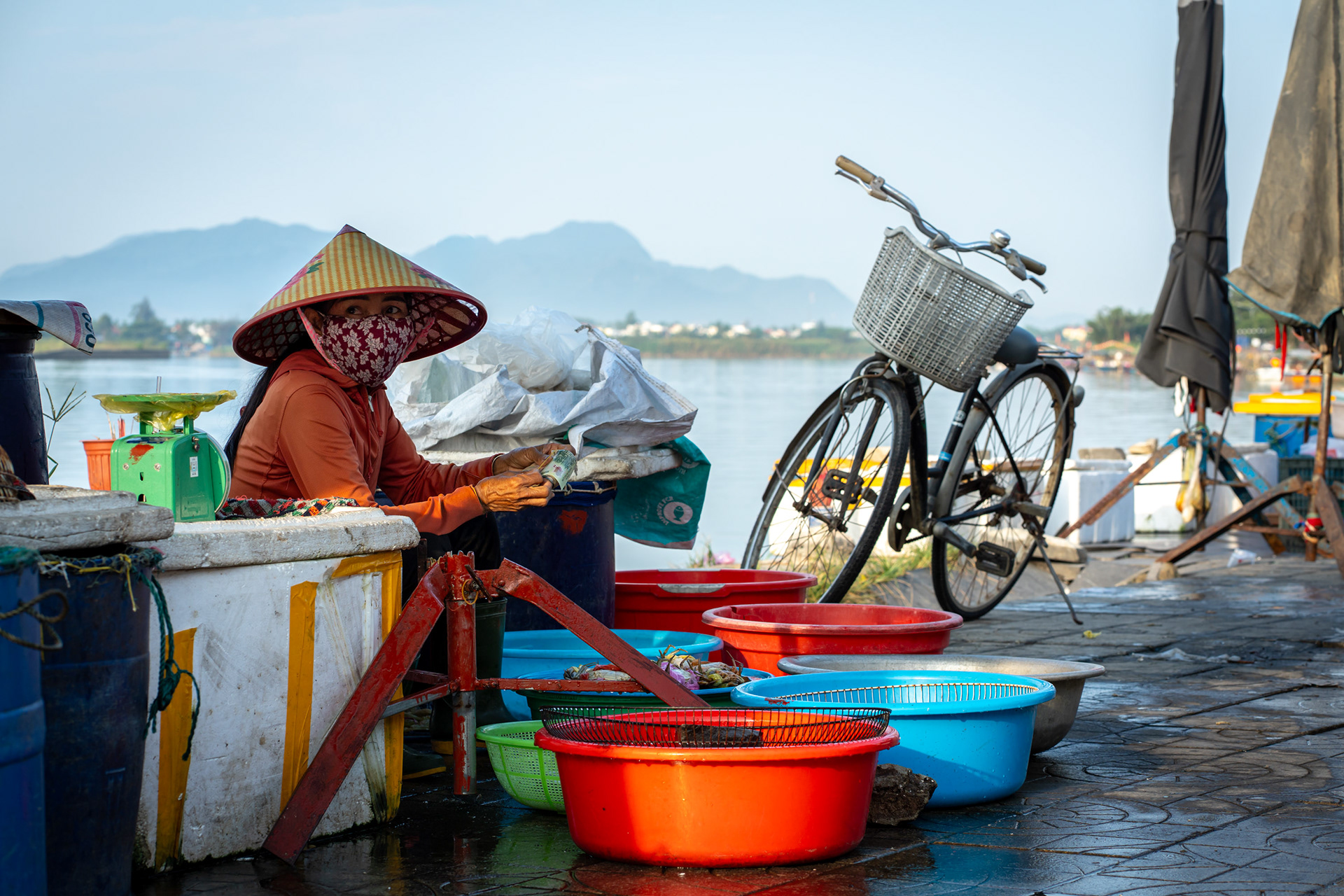
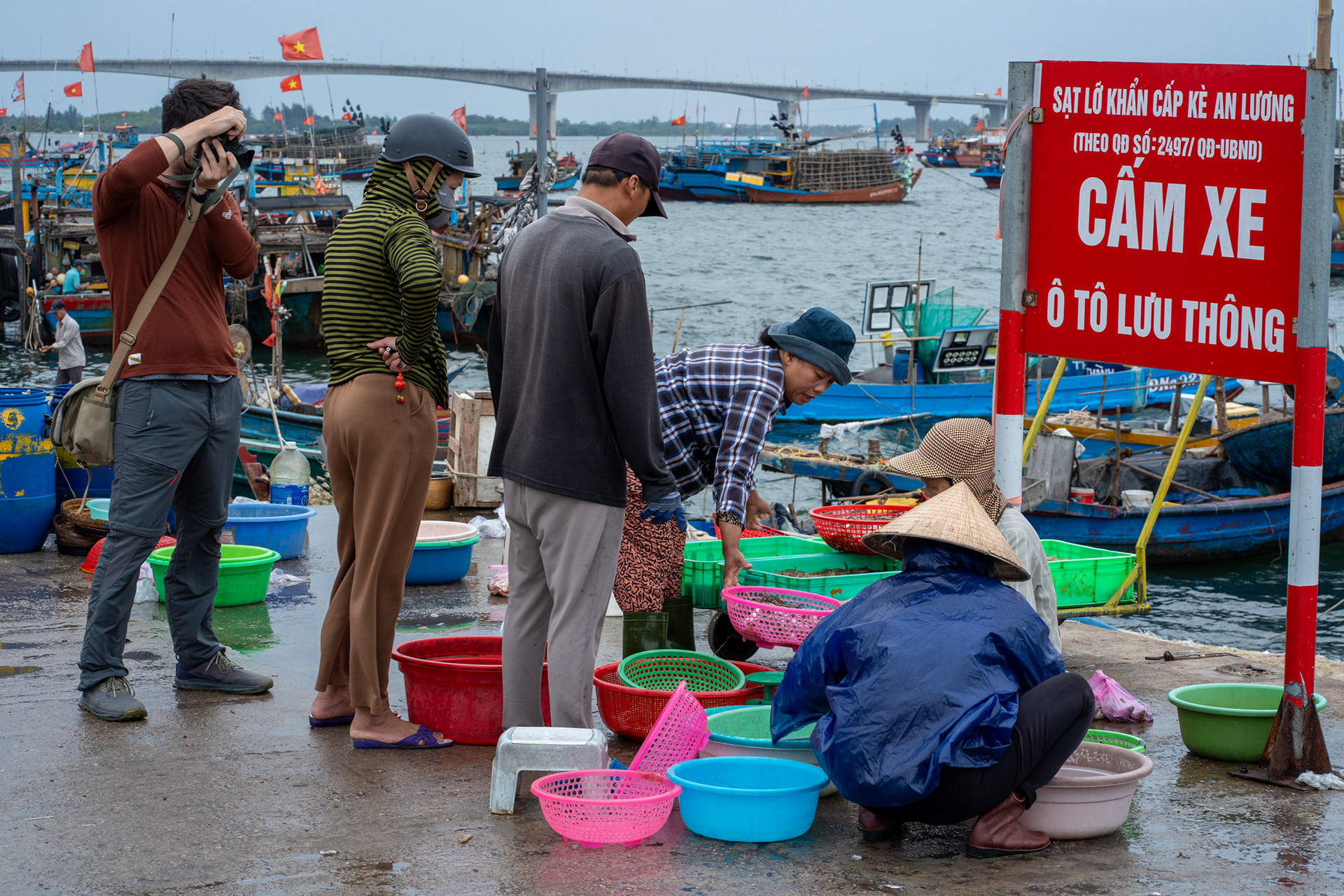
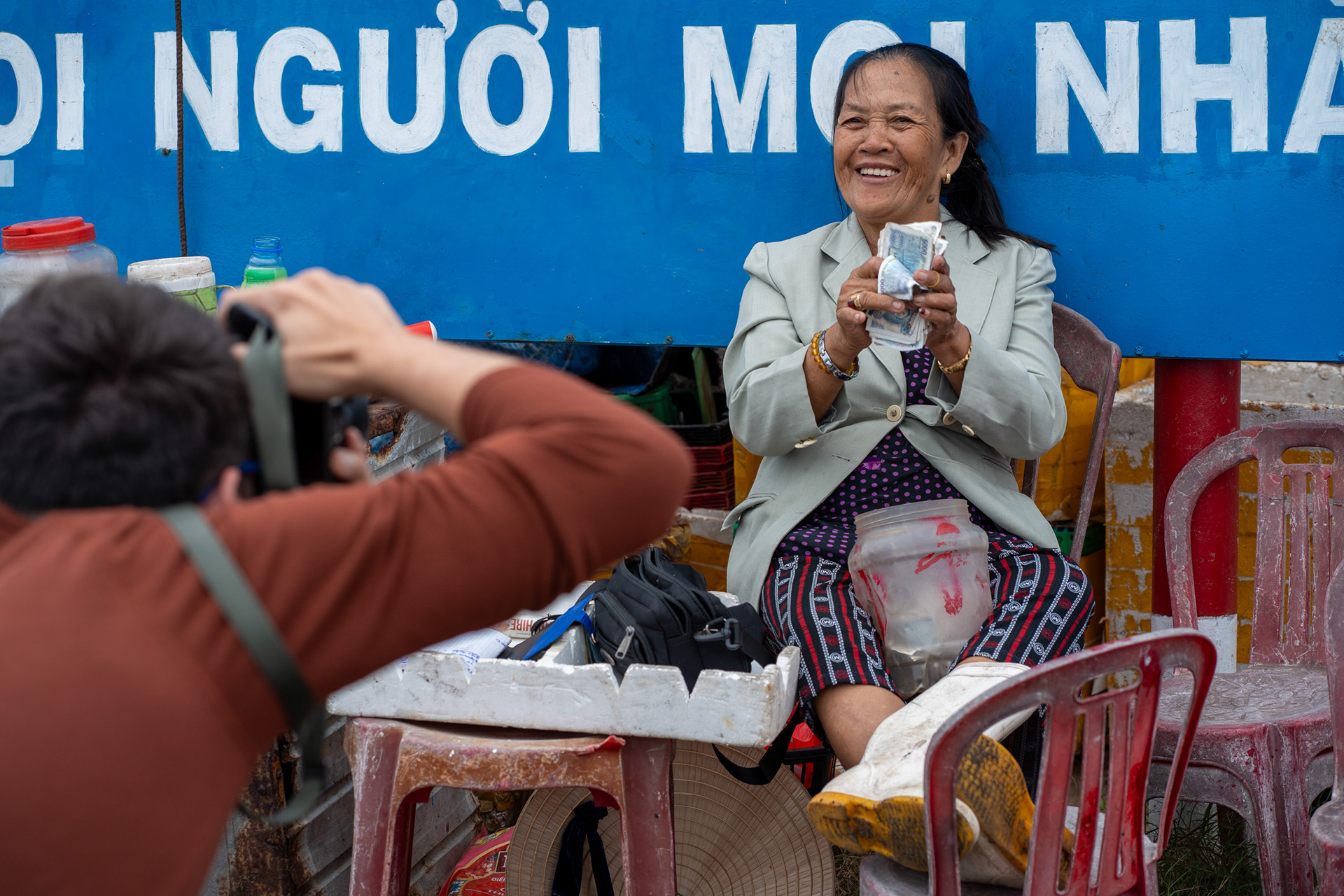
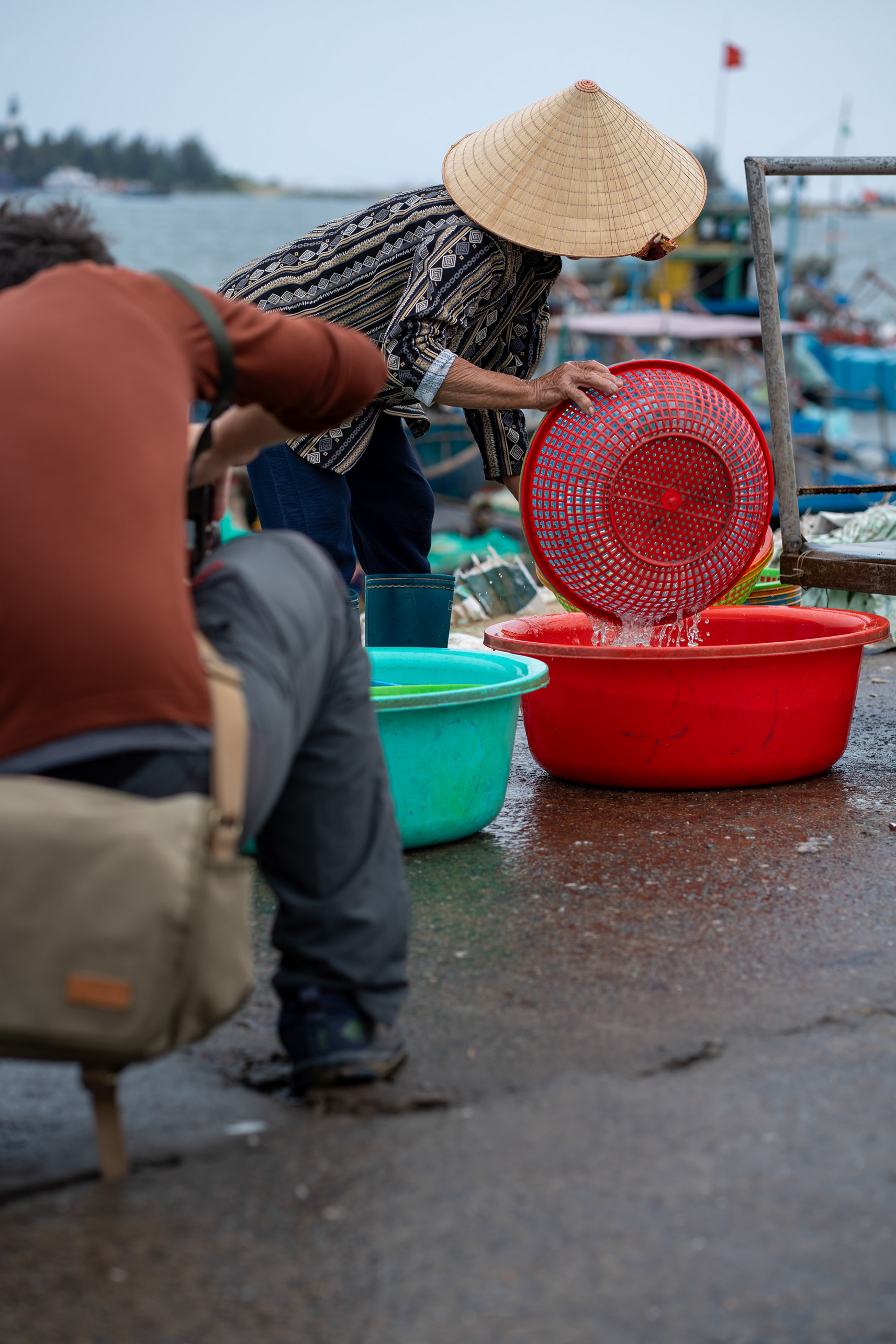
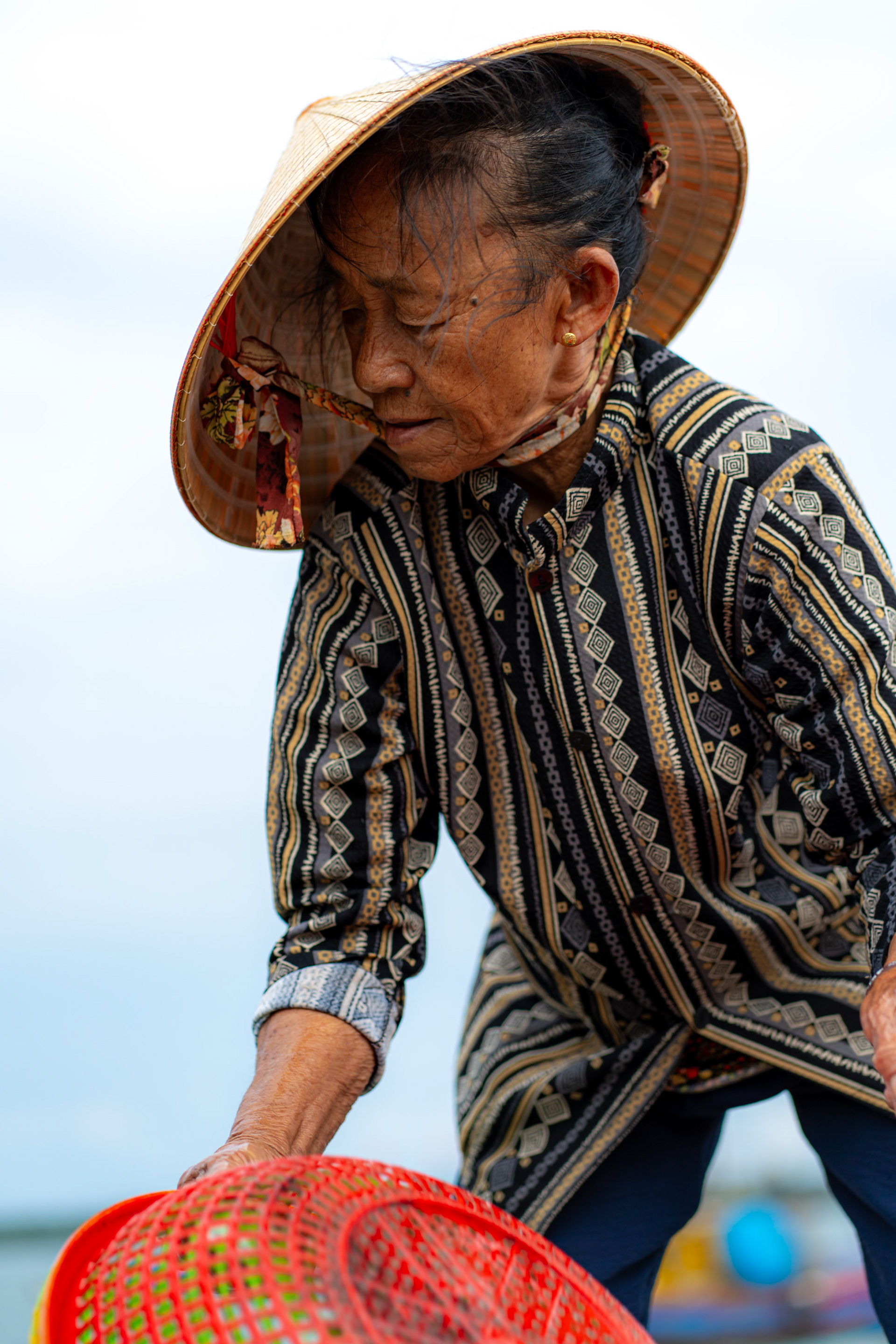
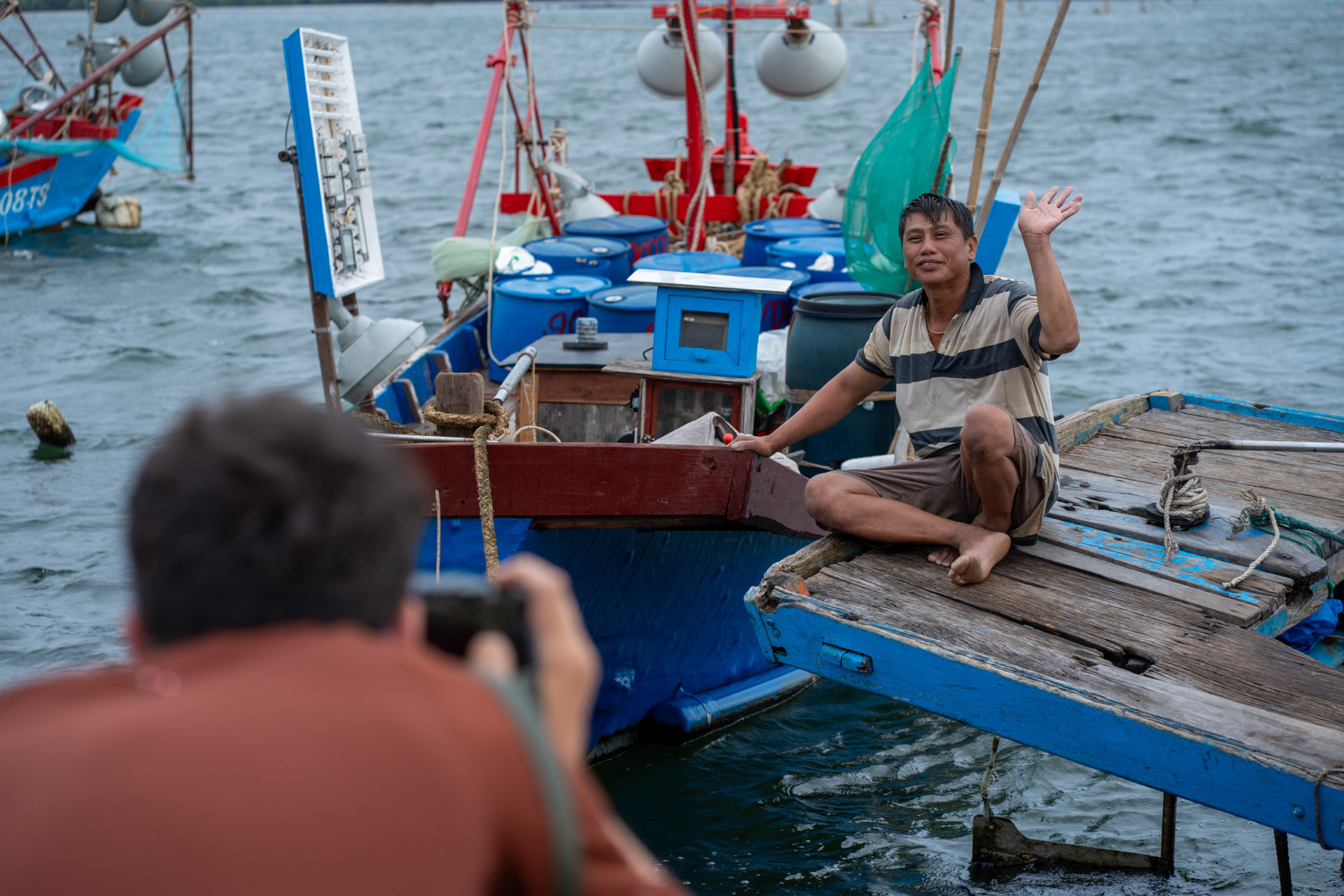
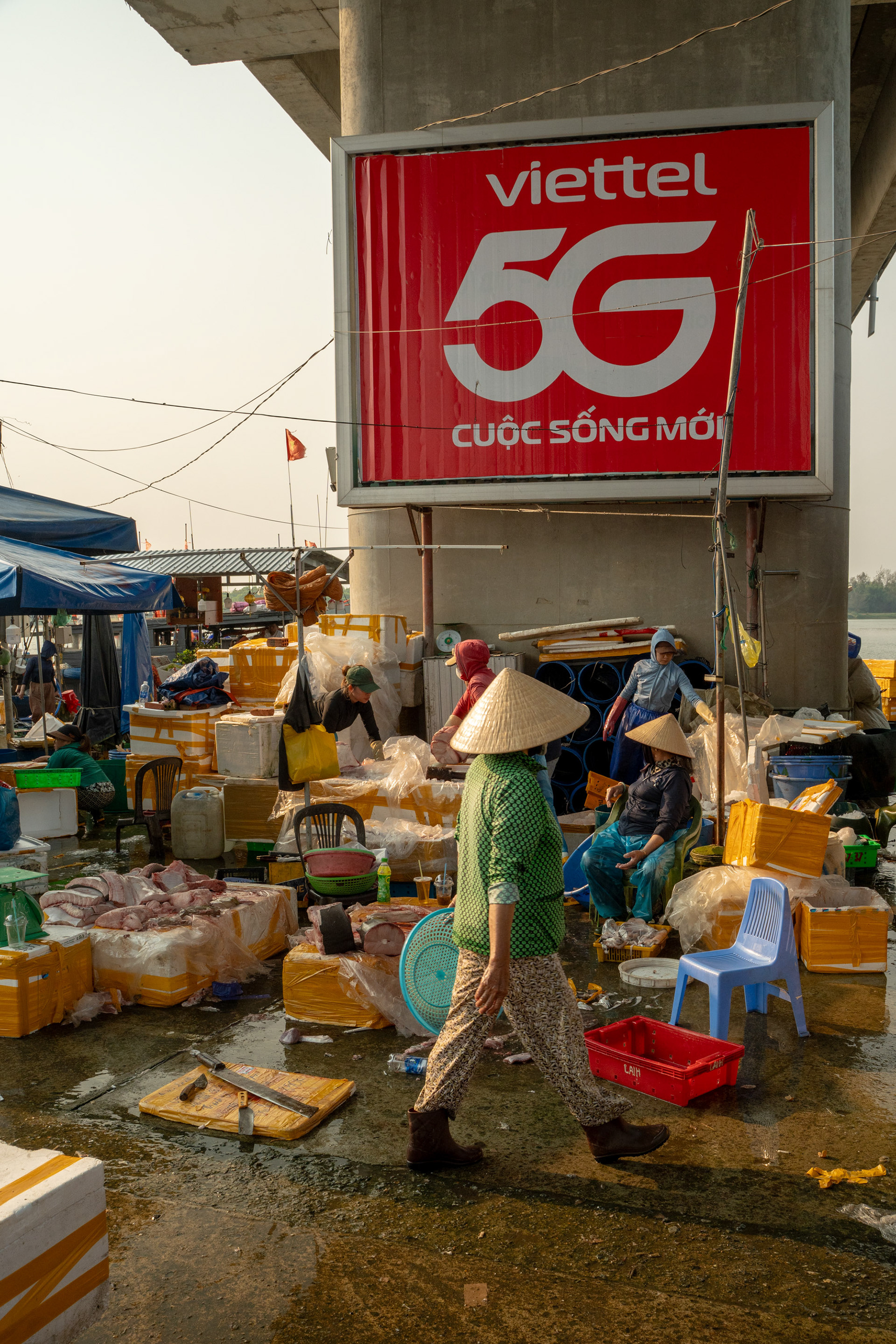
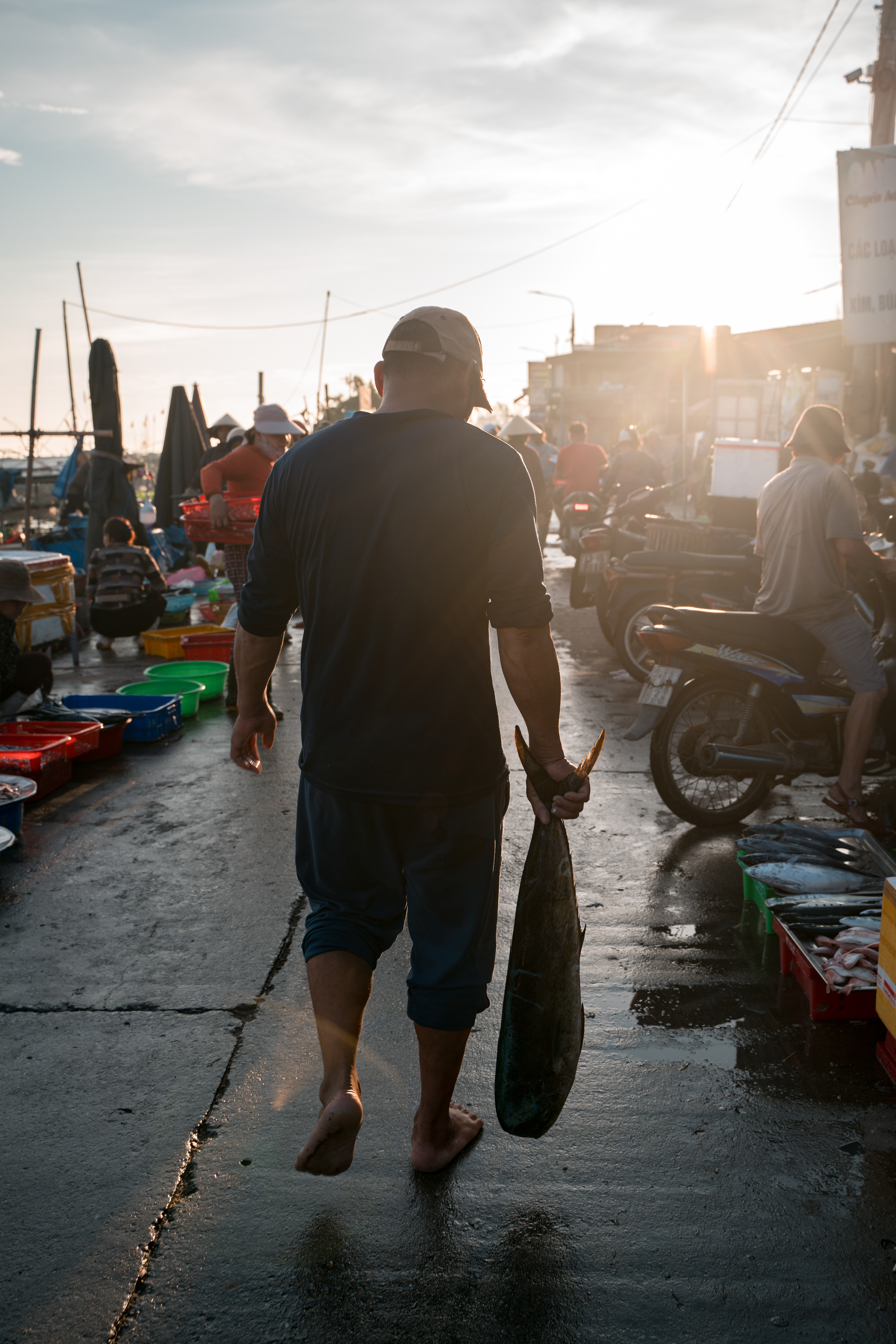
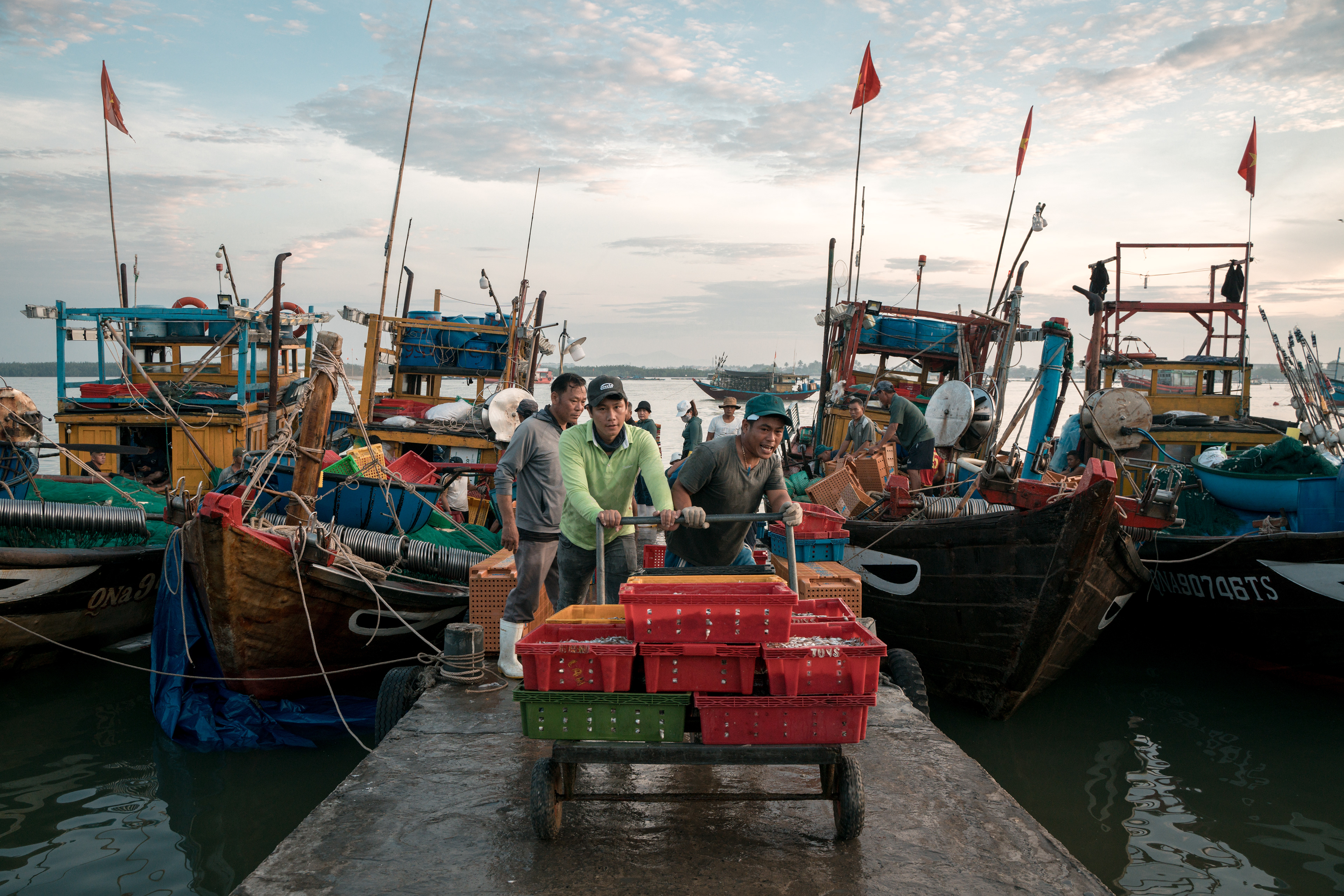
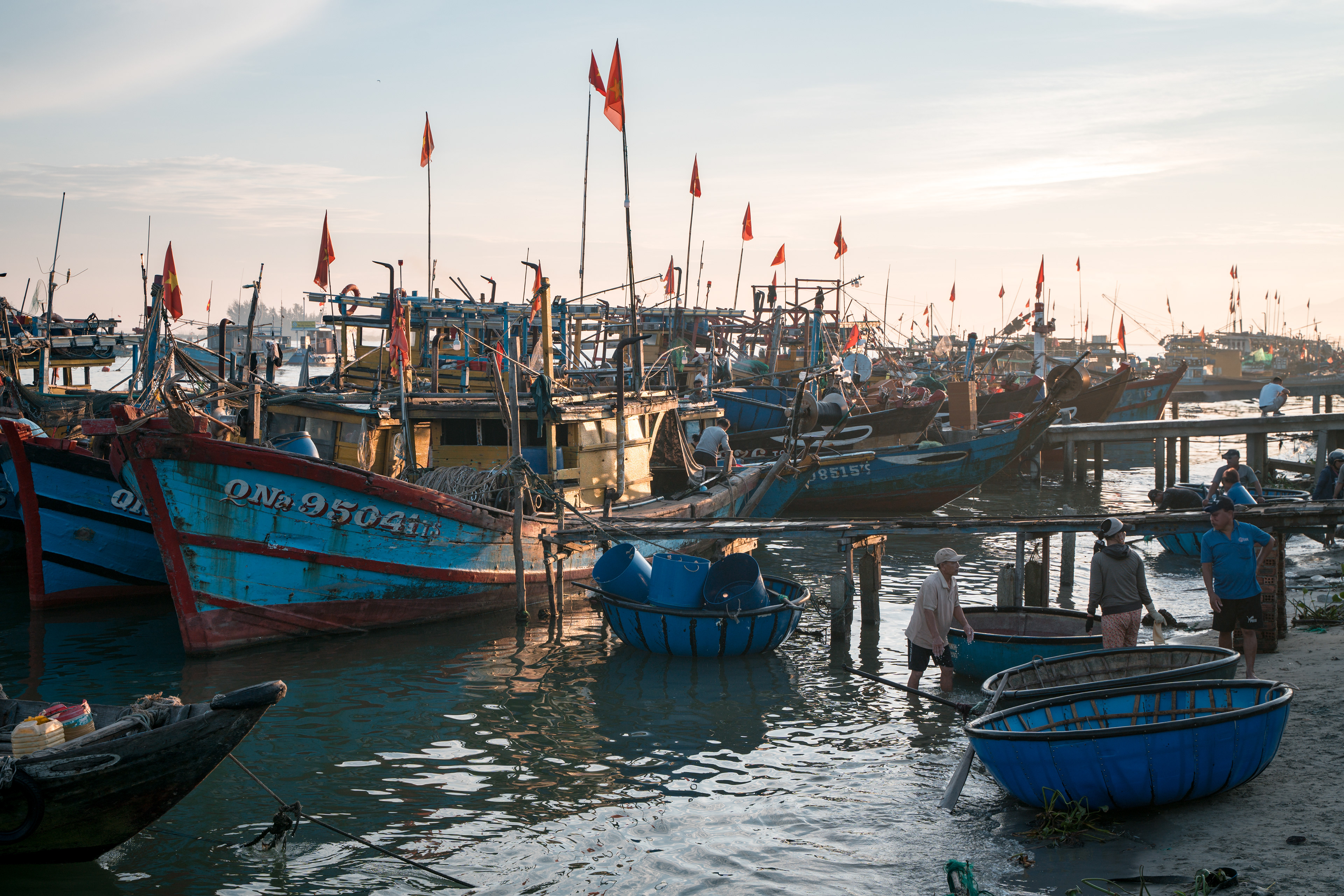
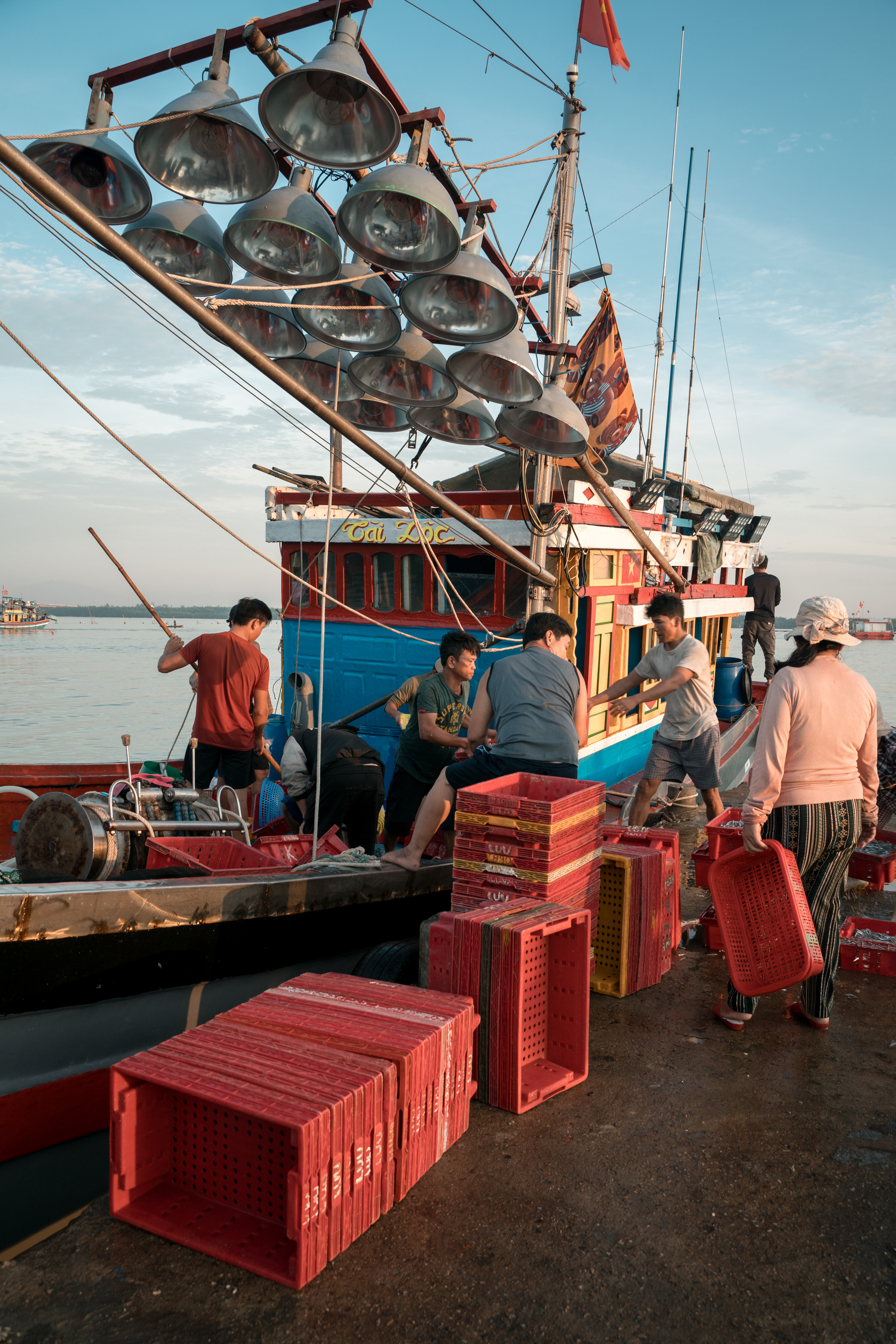
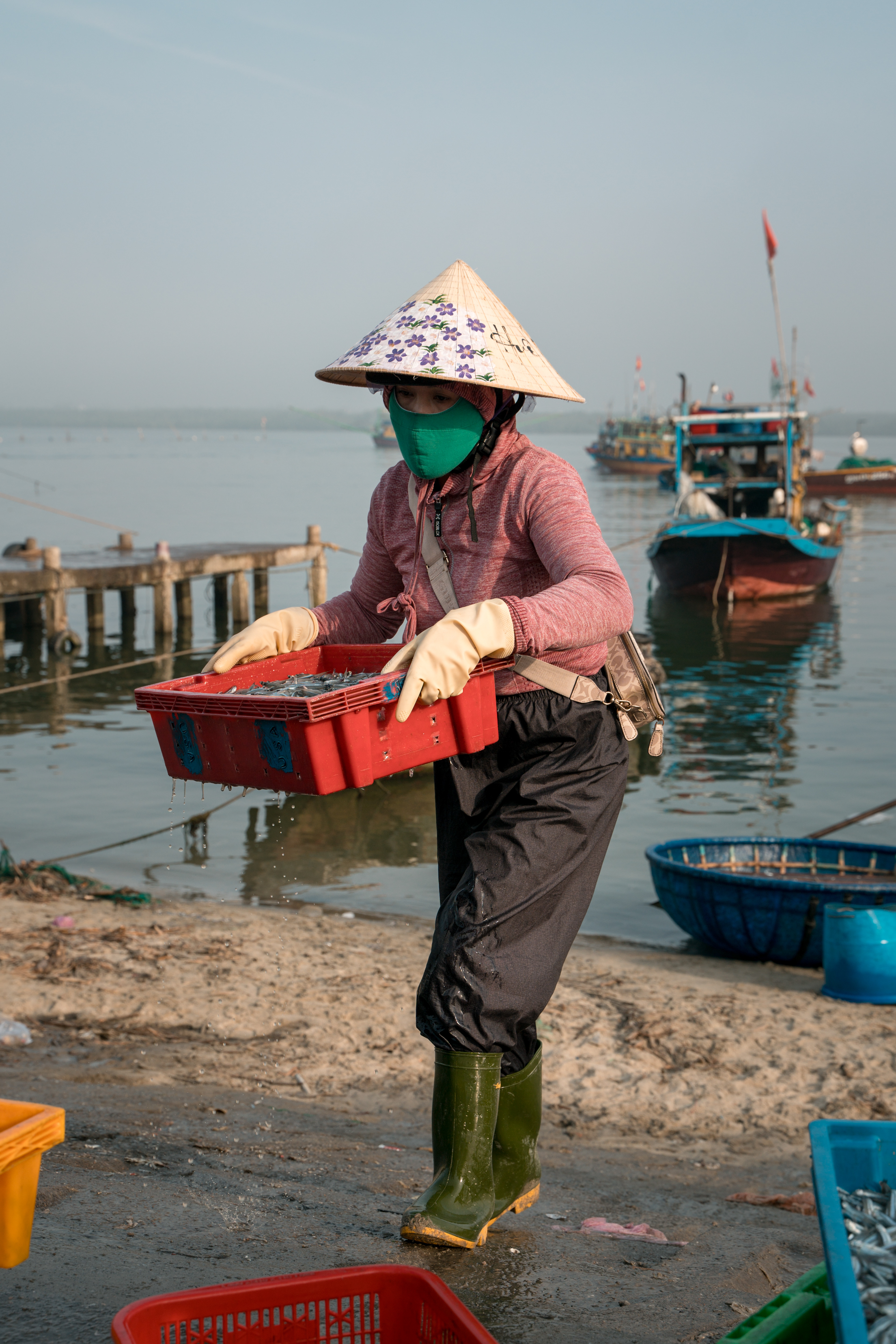
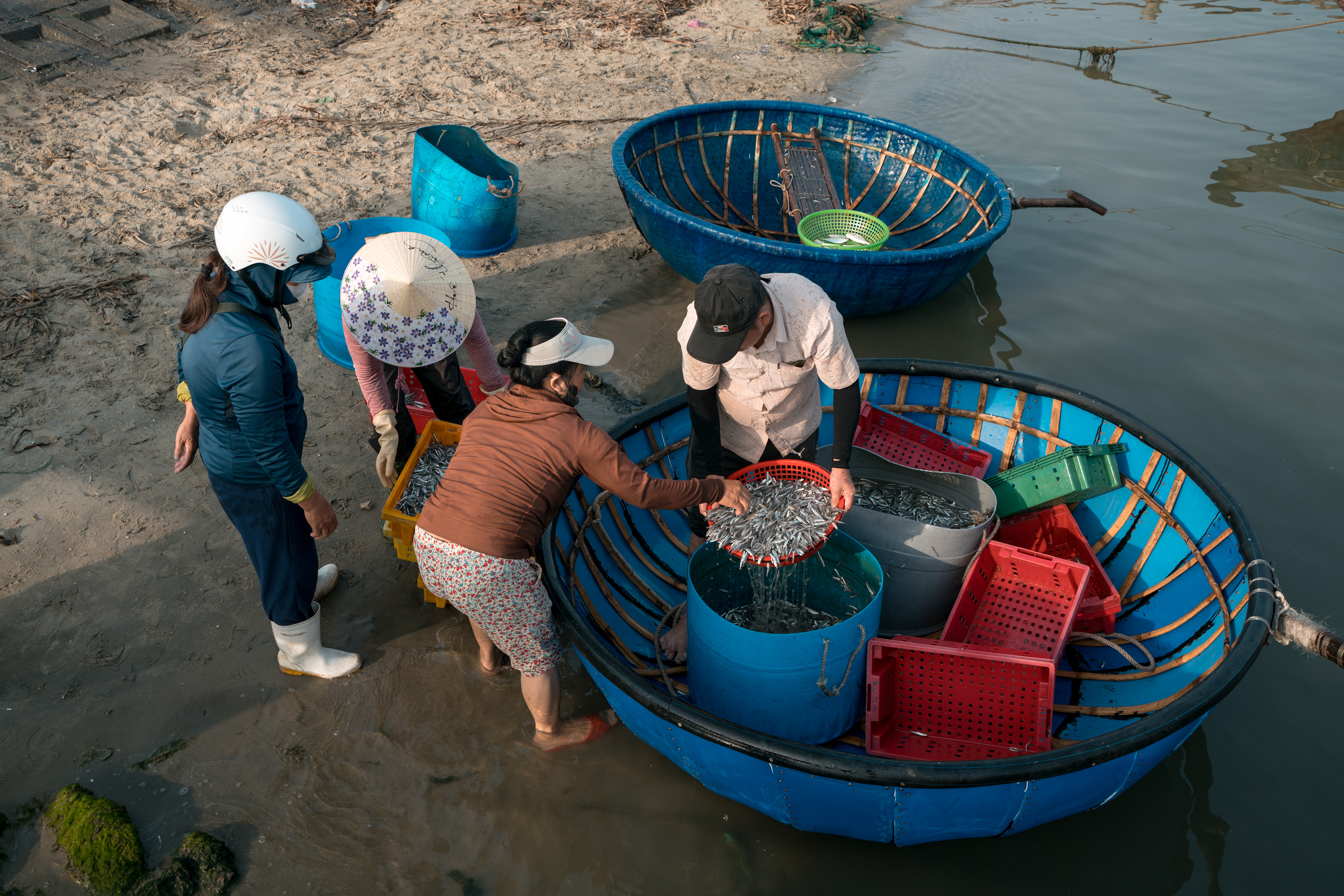
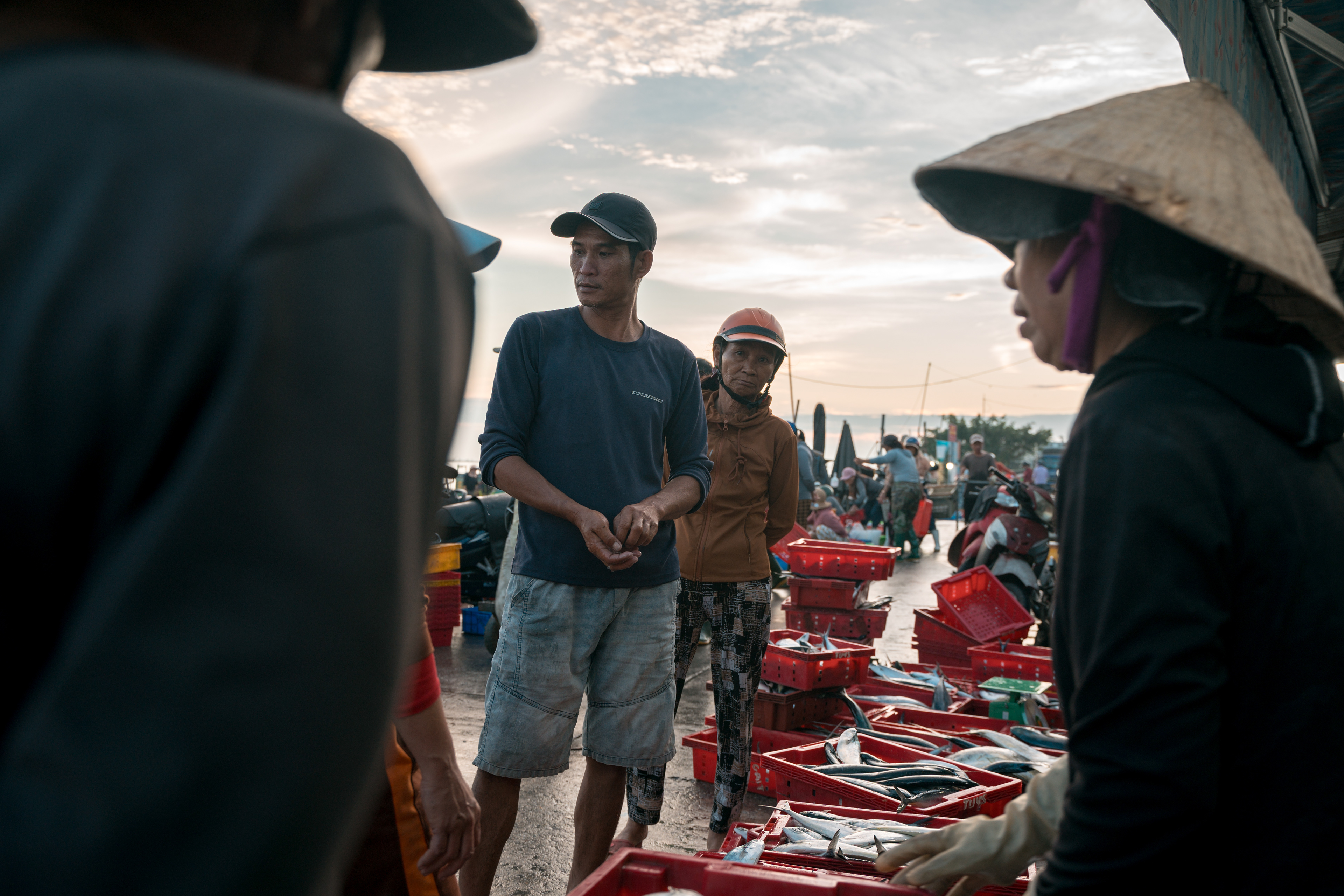
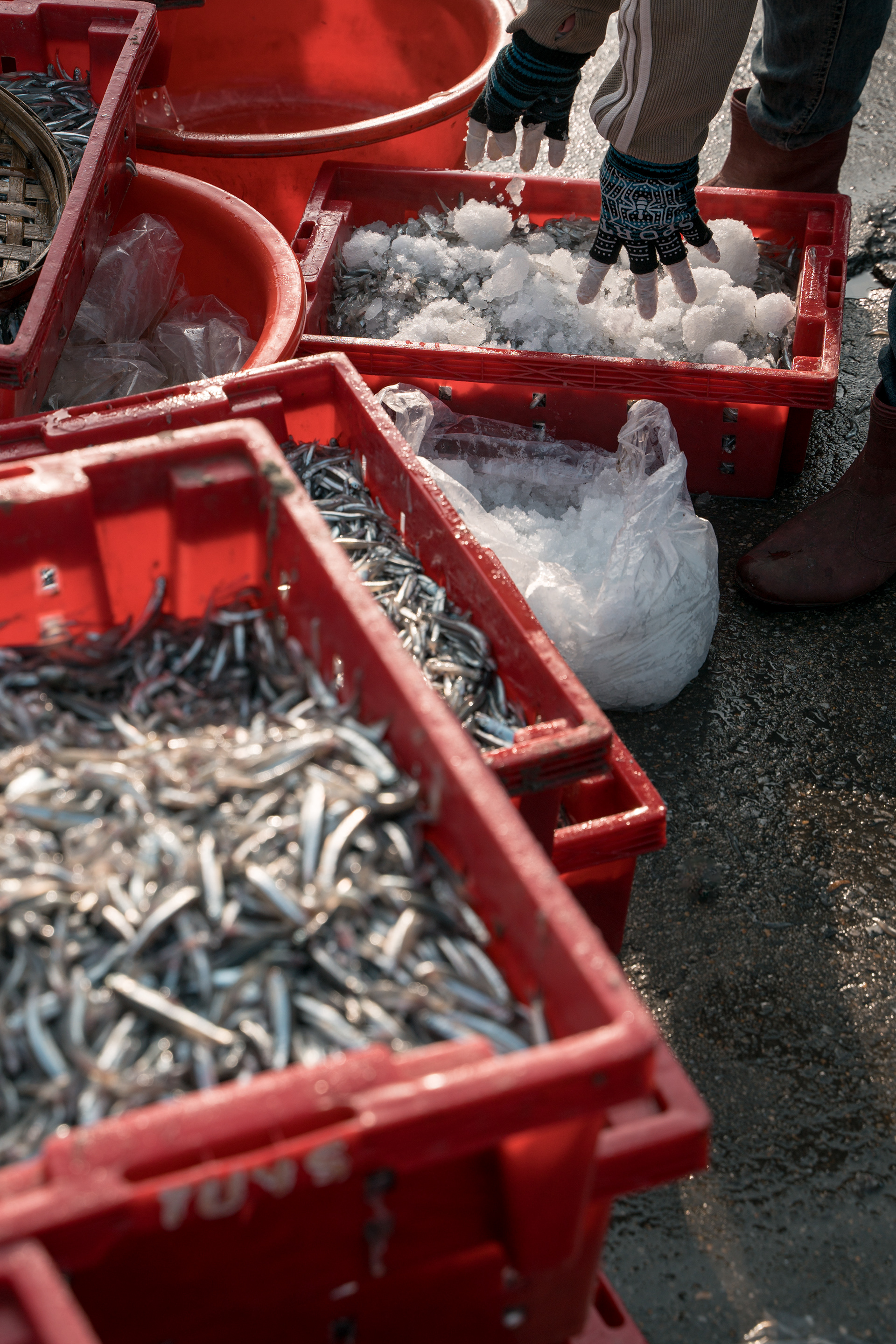
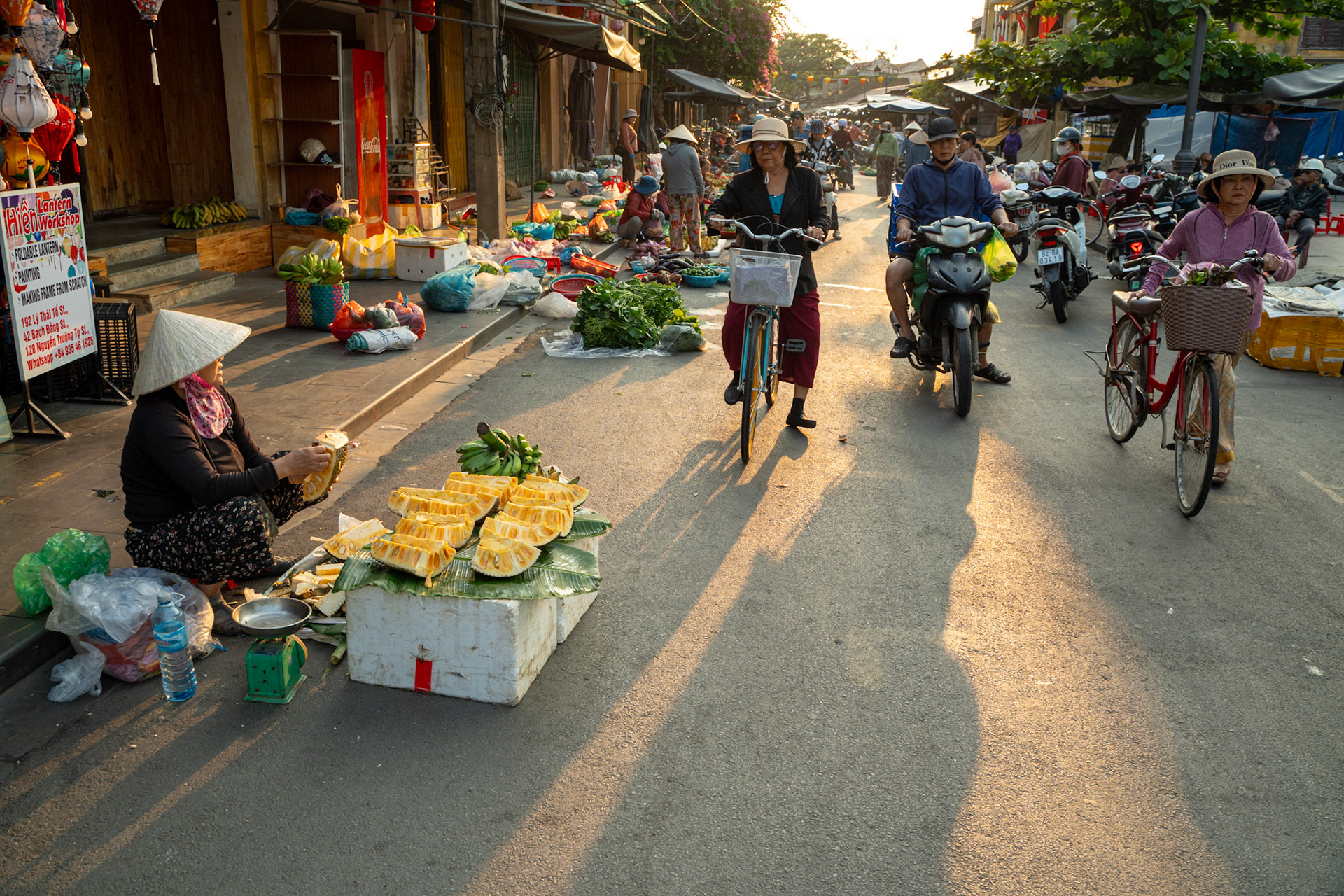
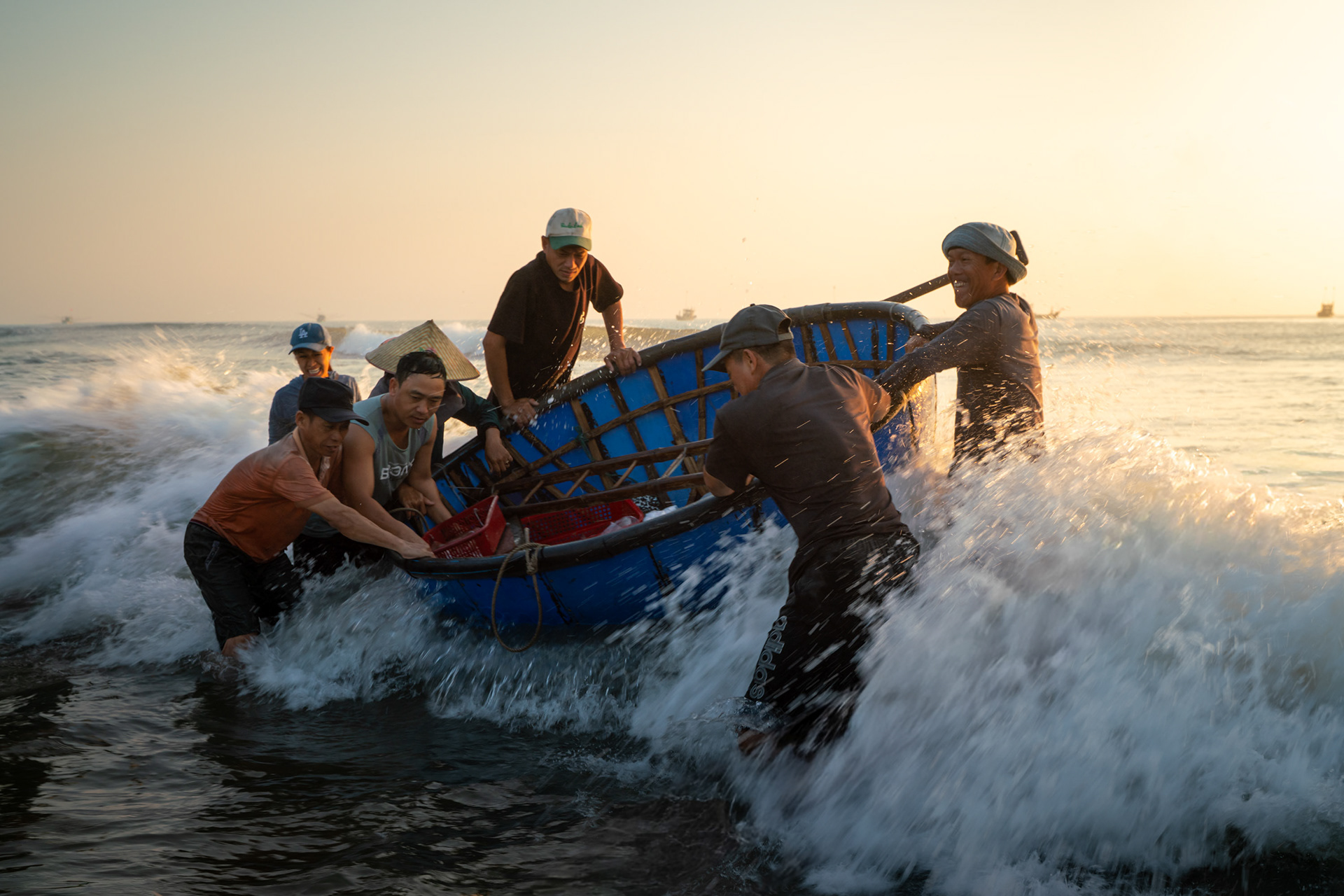
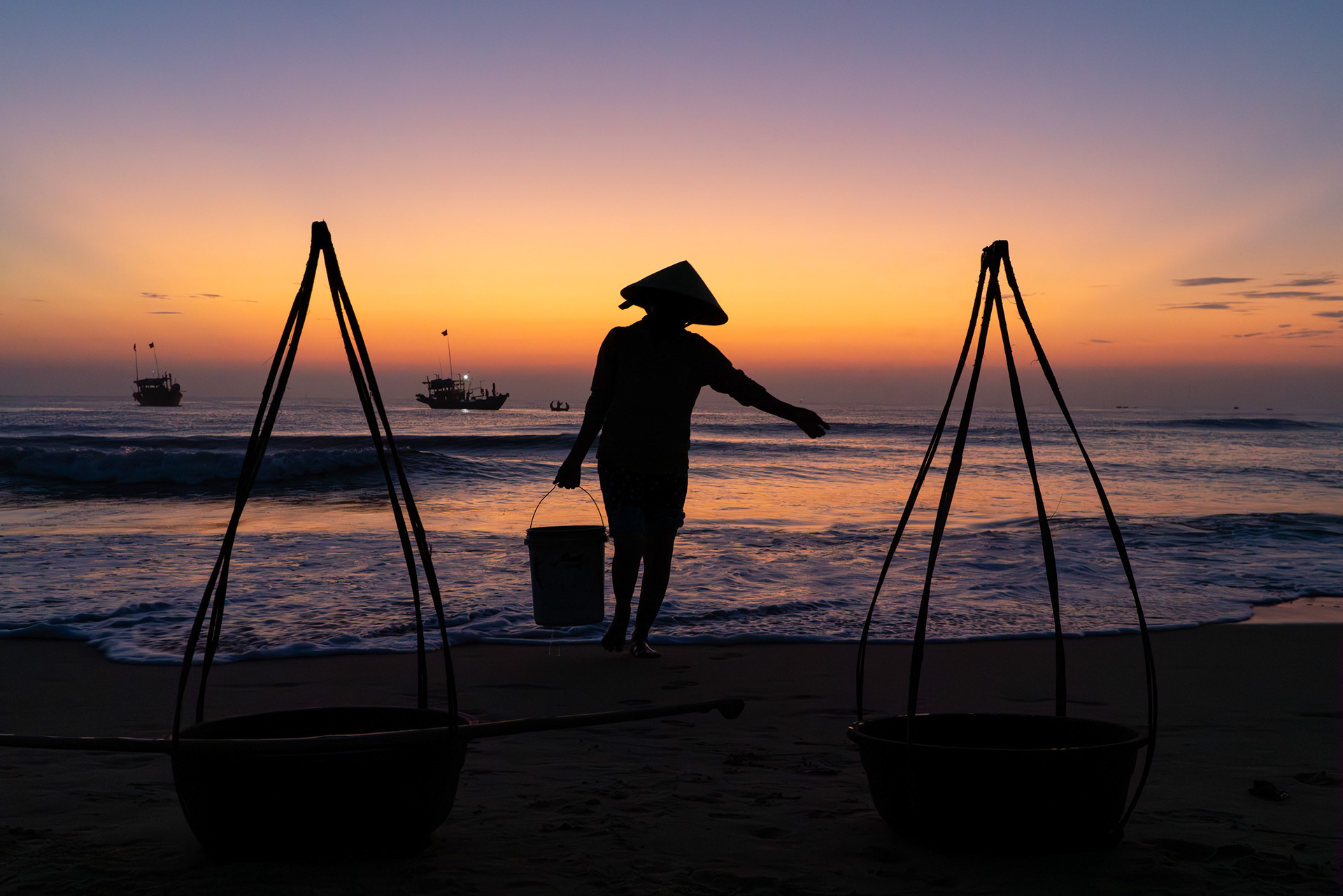
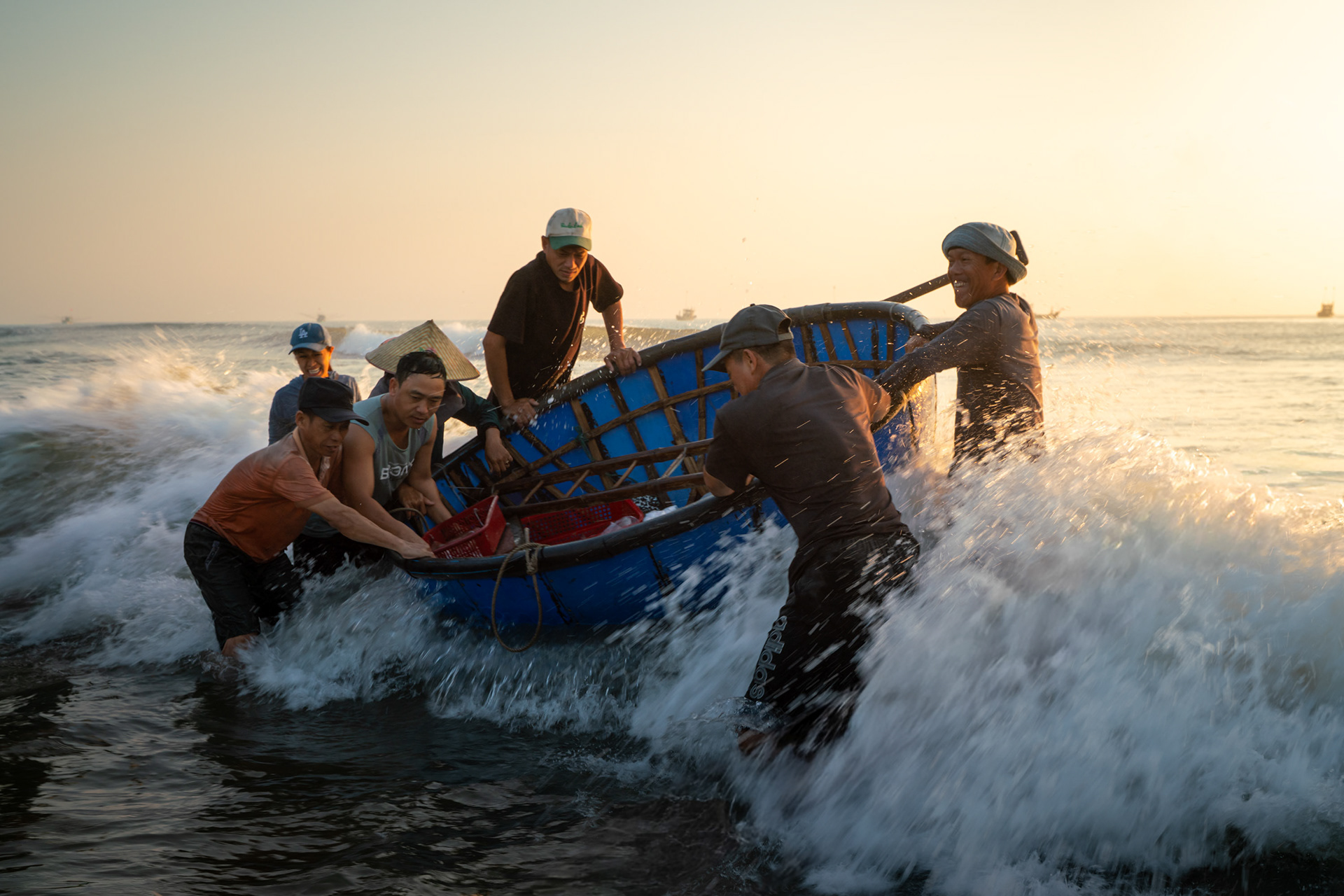
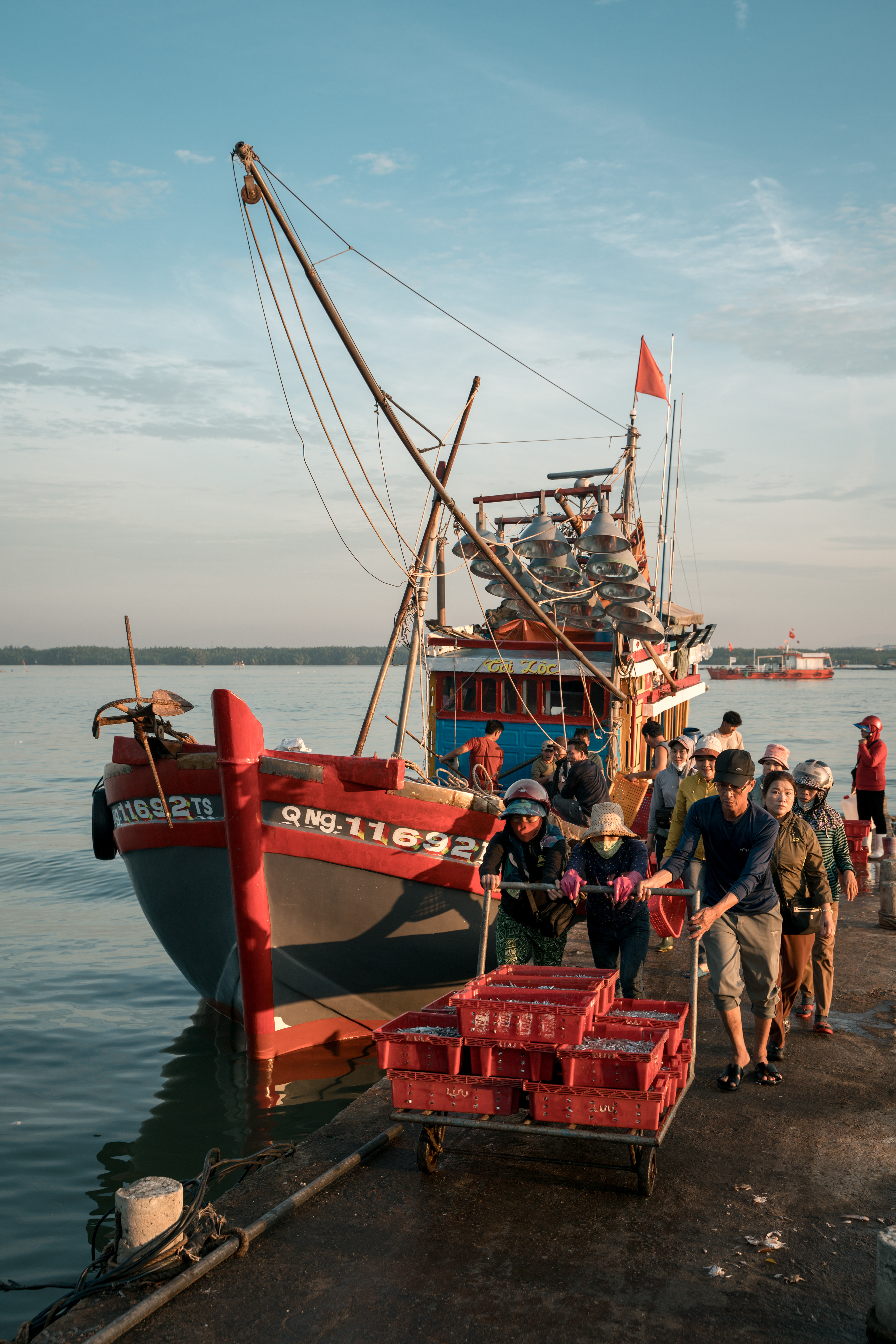
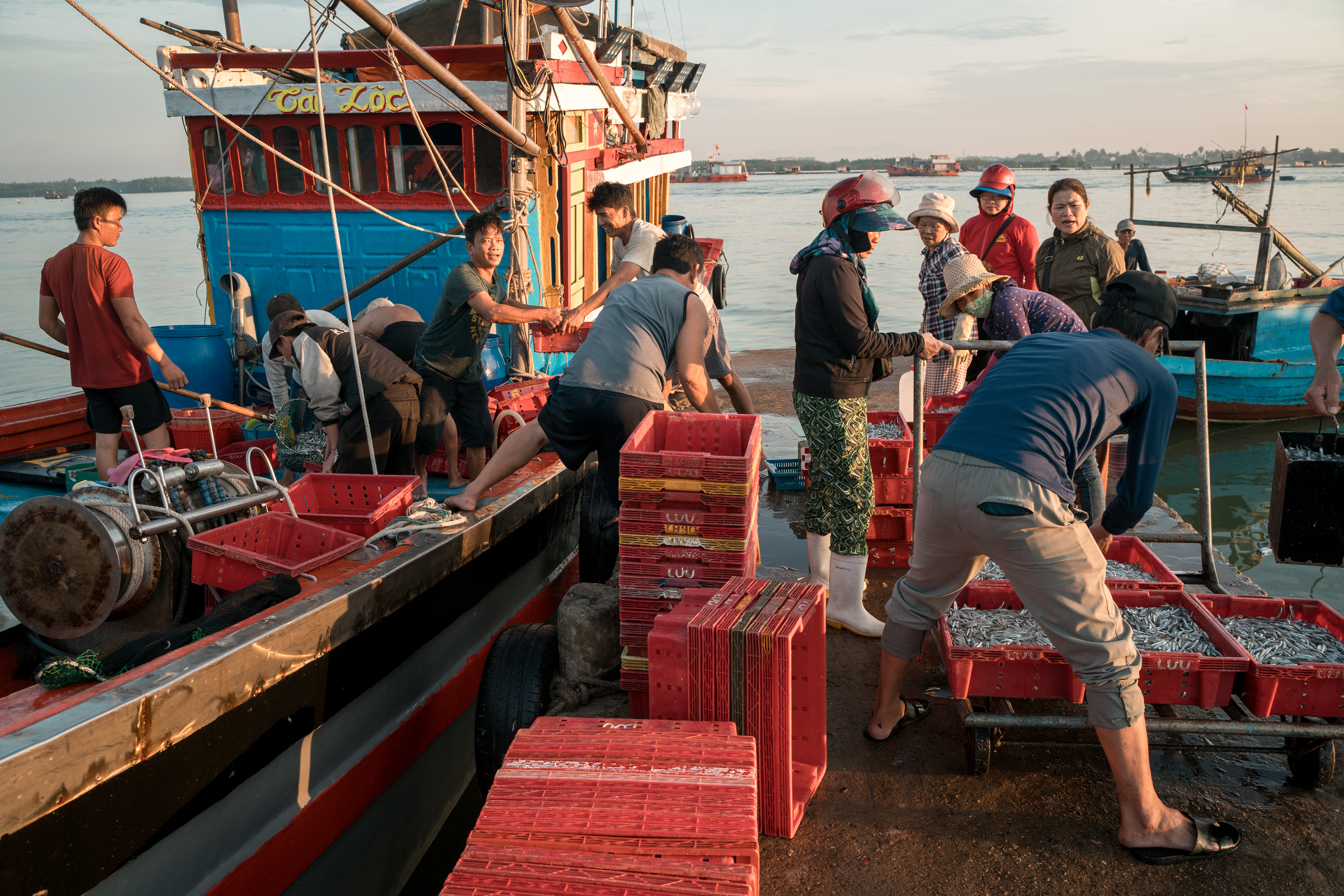
At the mouth of the Thu Bon River, Duy Hải wakes long before sunrise. This fishing village sits at the point where freshwater meets the open sea, a junction that has shaped the lives of local families for generations. Boats return in the blue hour, heavy with the night’s catch, and the shoreline turns into a working floor of crates, tools, voices, and movement.
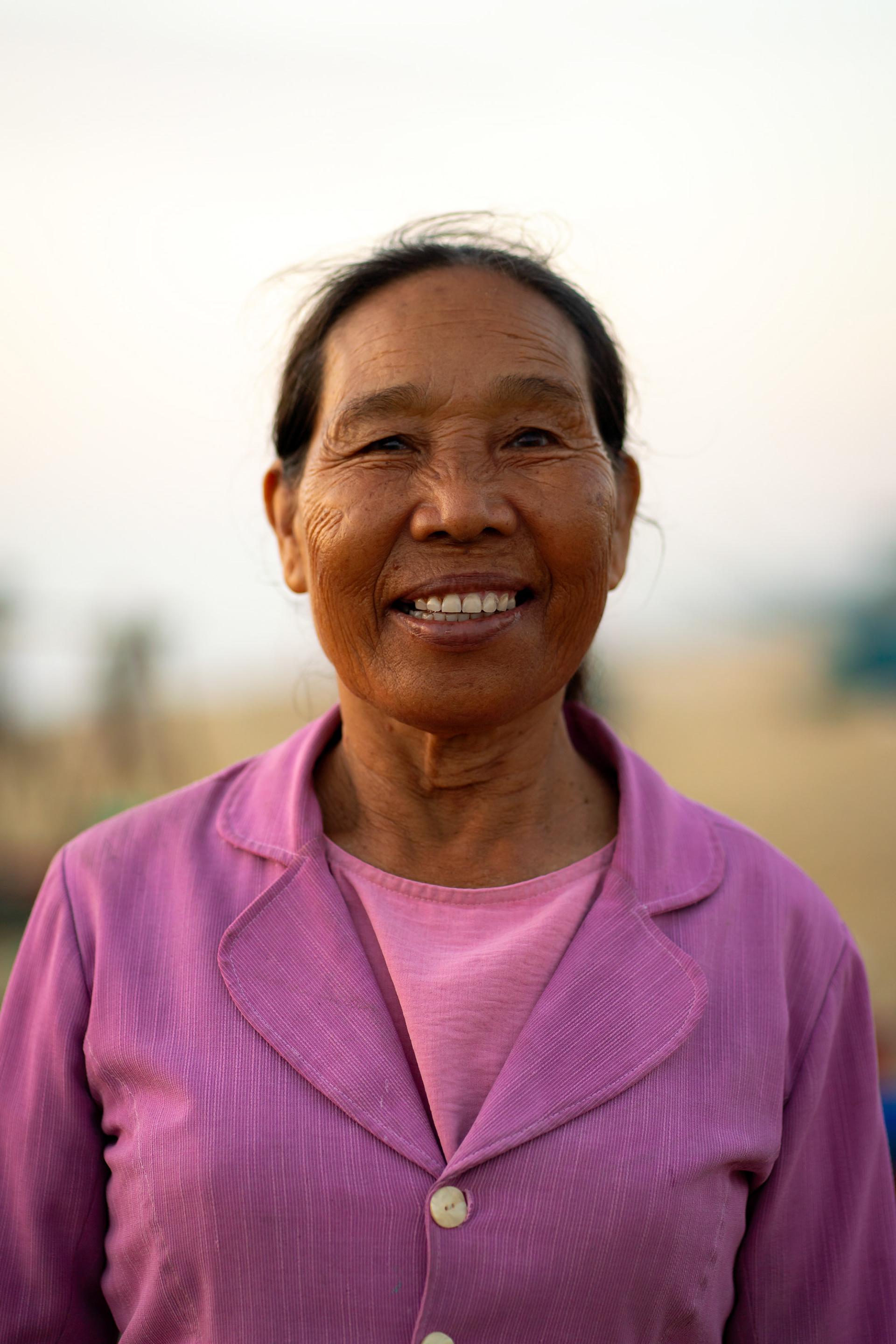
Here, the river isn’t a backdrop but the backbone of an entire economy. The estuary provides shelter for the boats, access to offshore grounds, and an ever-shifting tidal pulse that determines when work begins and ends. Families who have lived on these banks for decades unload, sort, scale, and trade at a speed that comes from routine, necessity, and muscle memory.
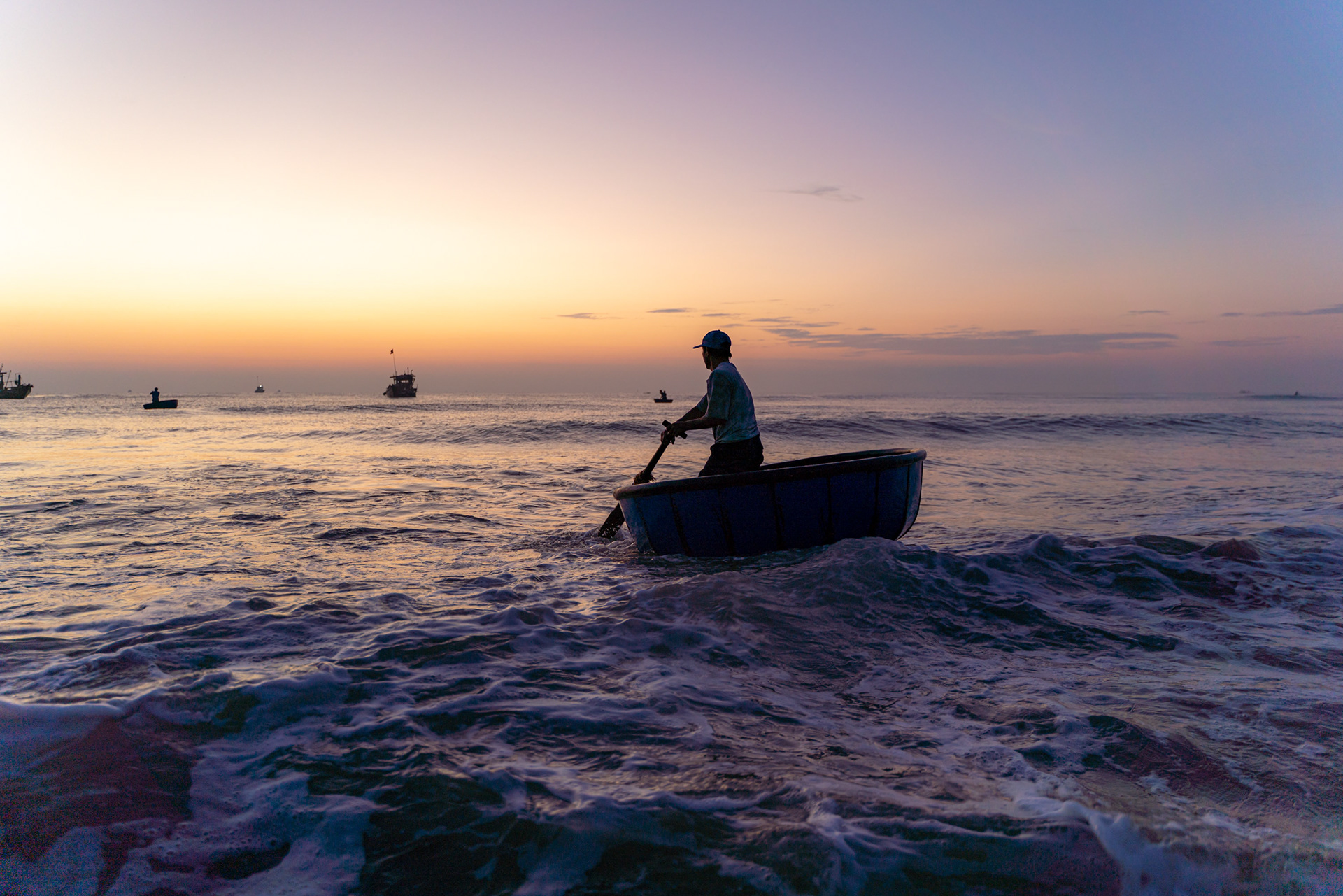
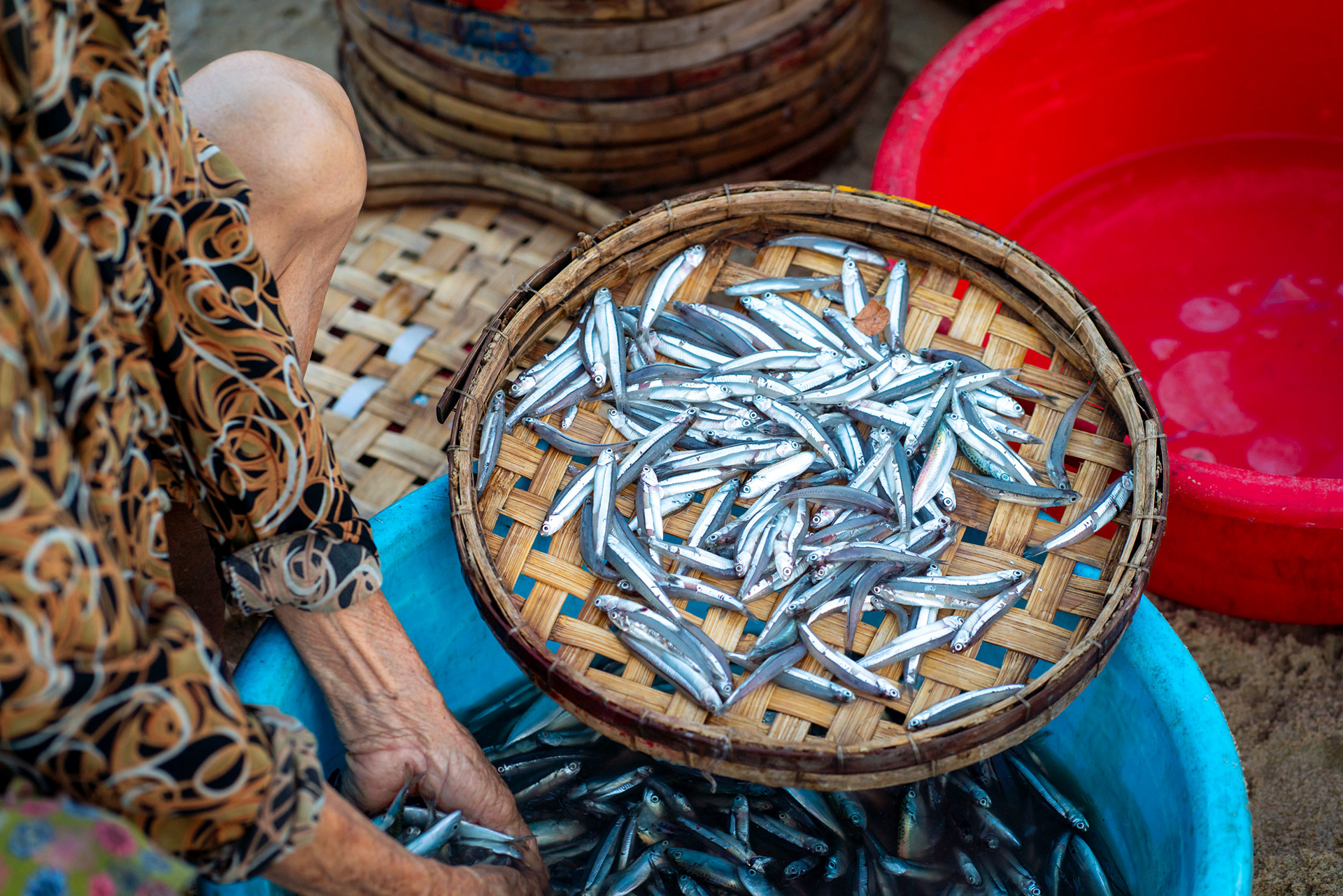
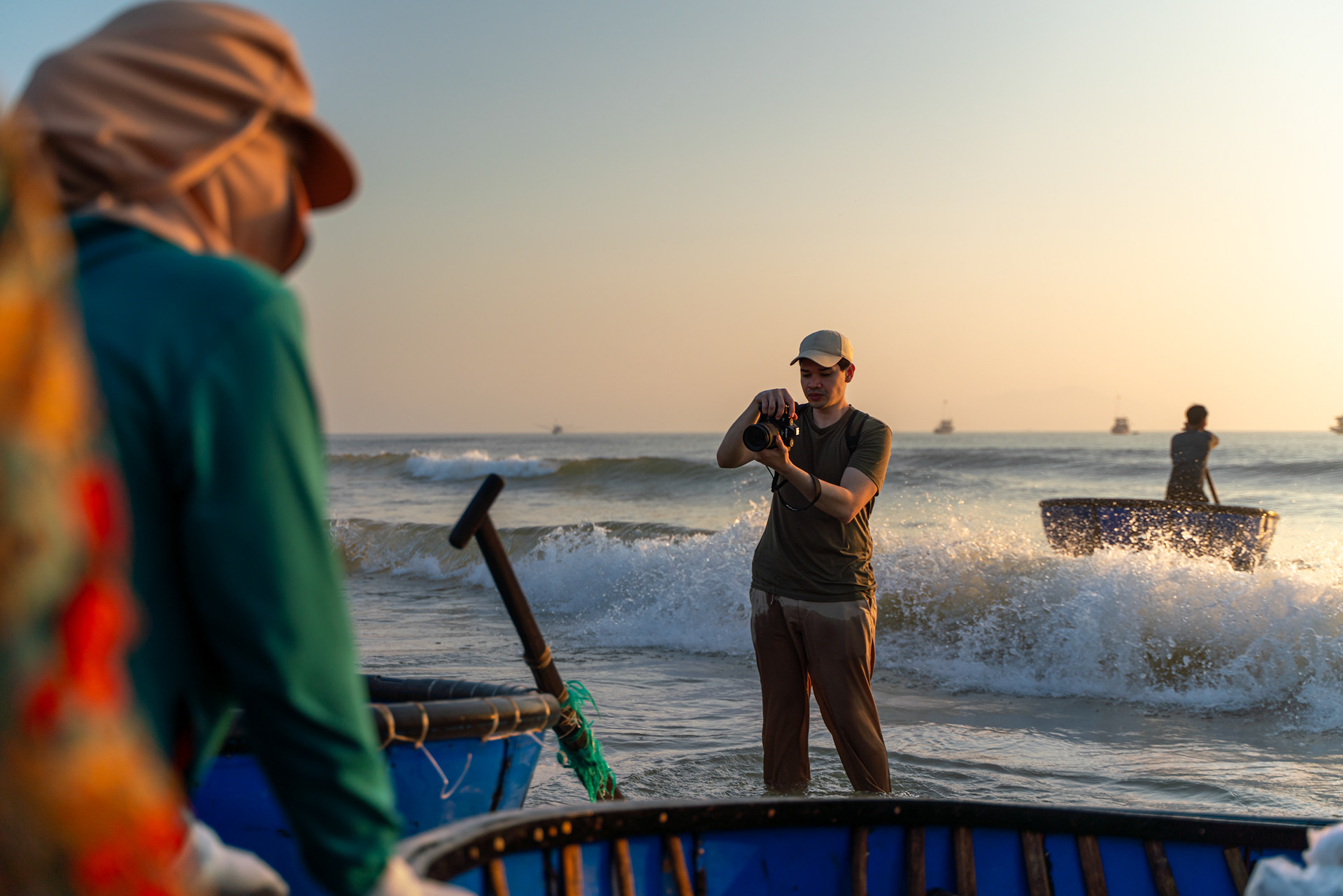
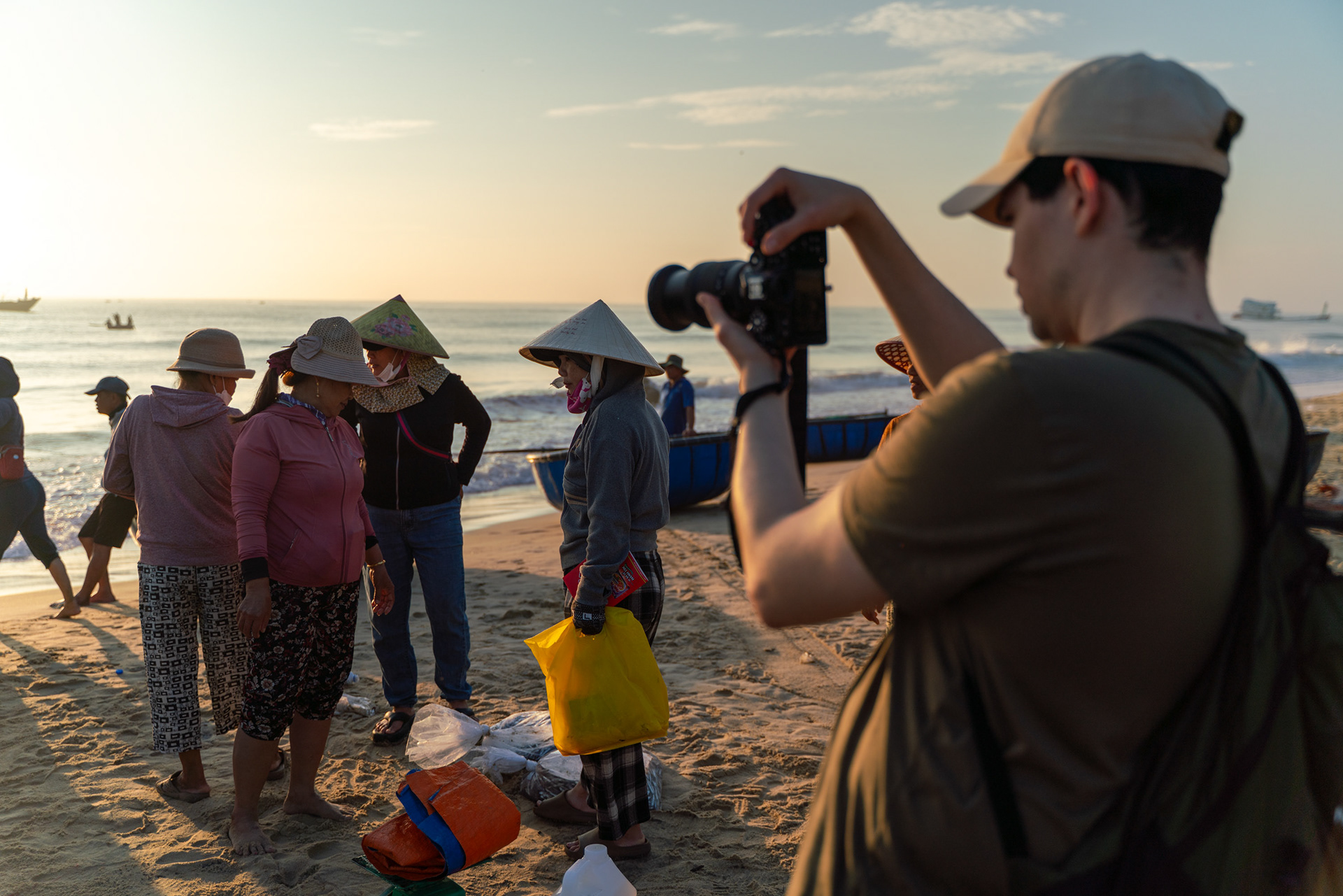
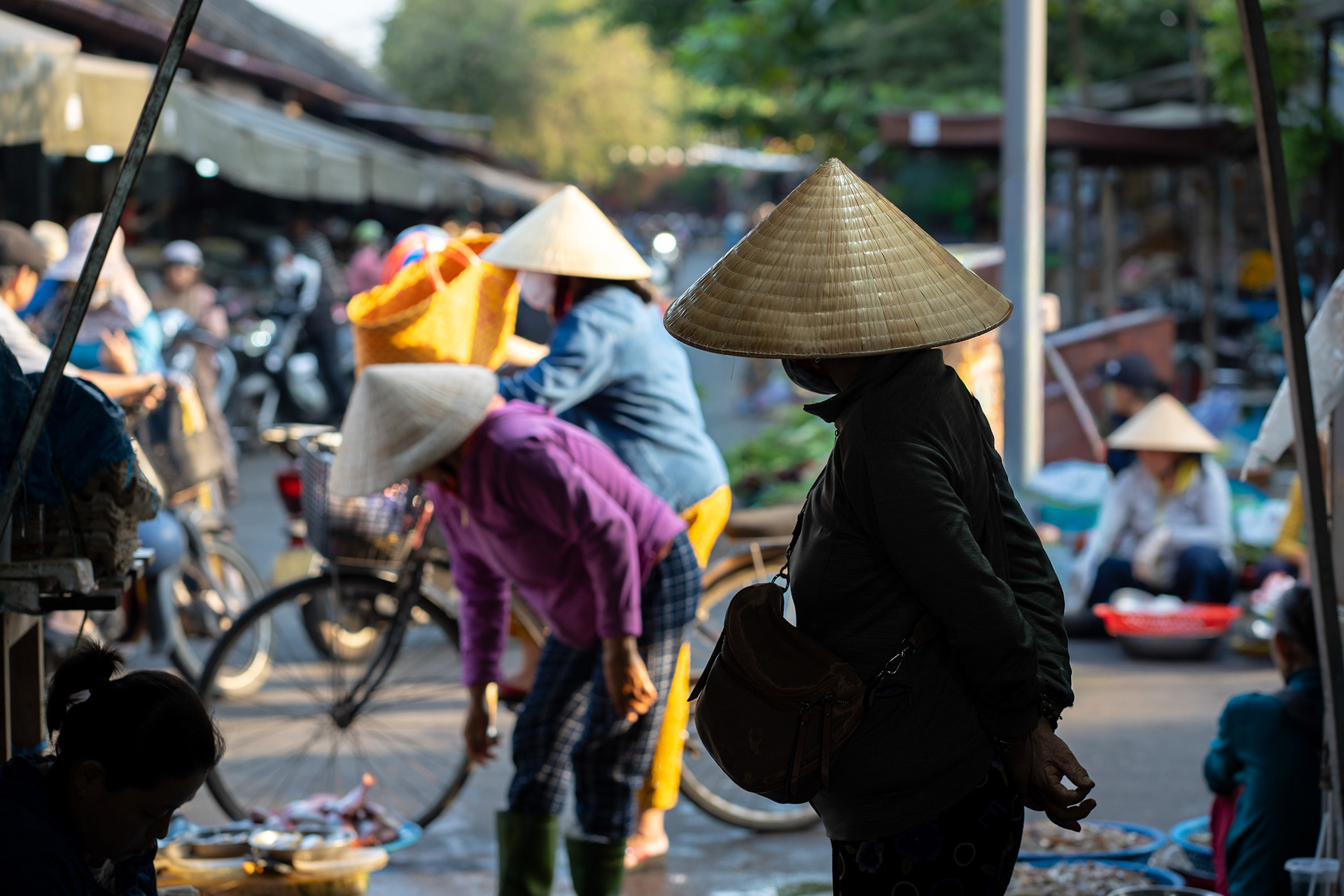
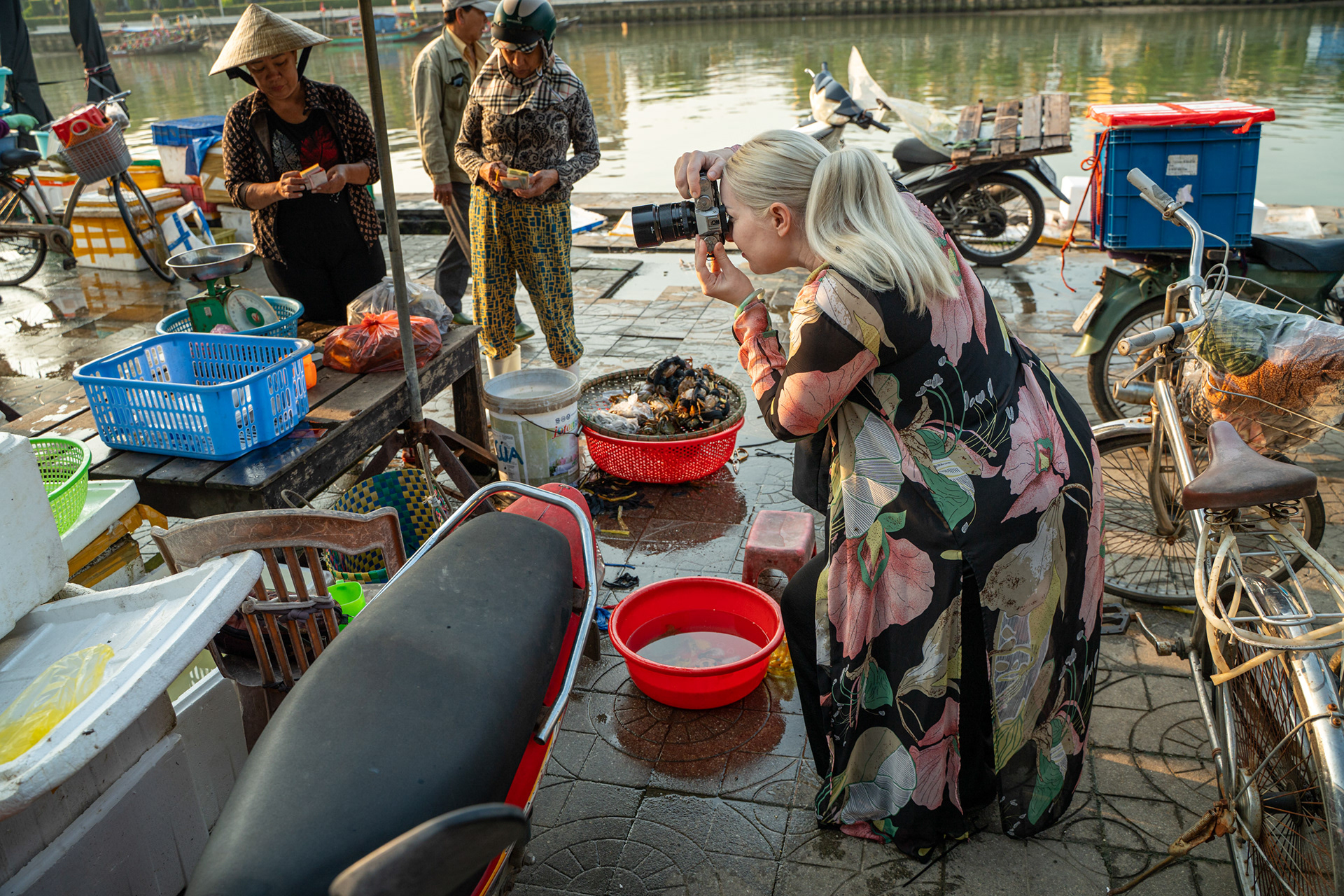
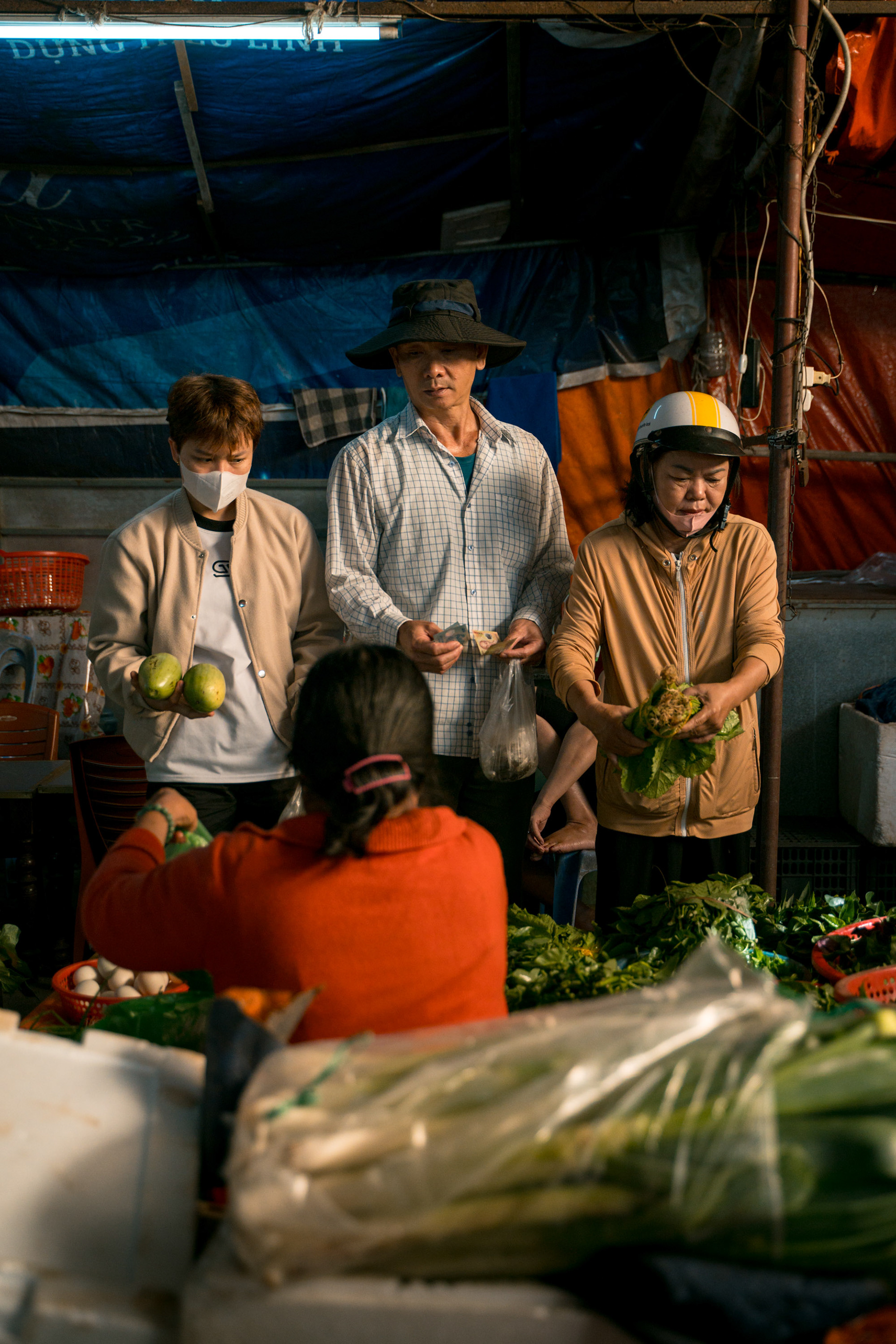
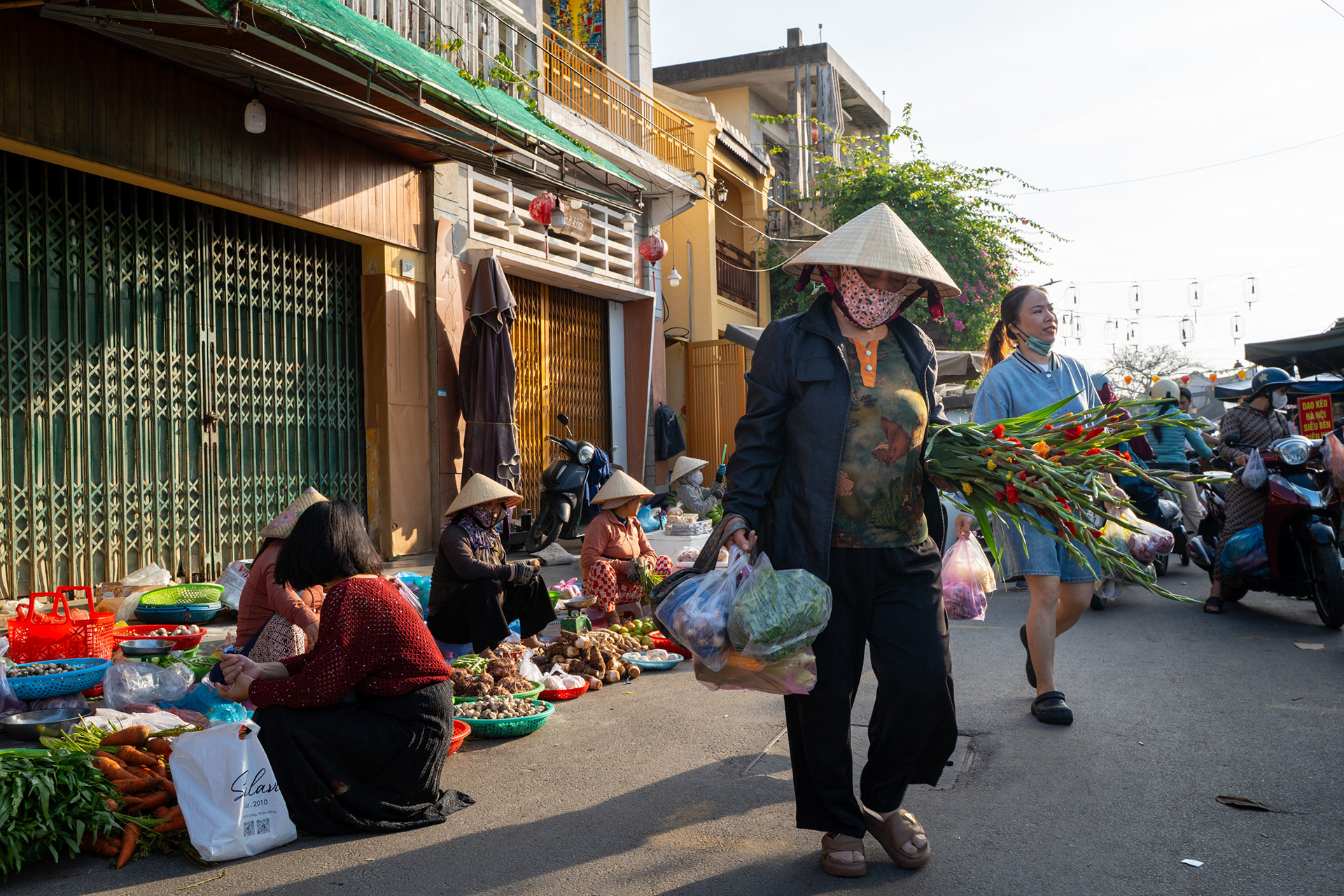
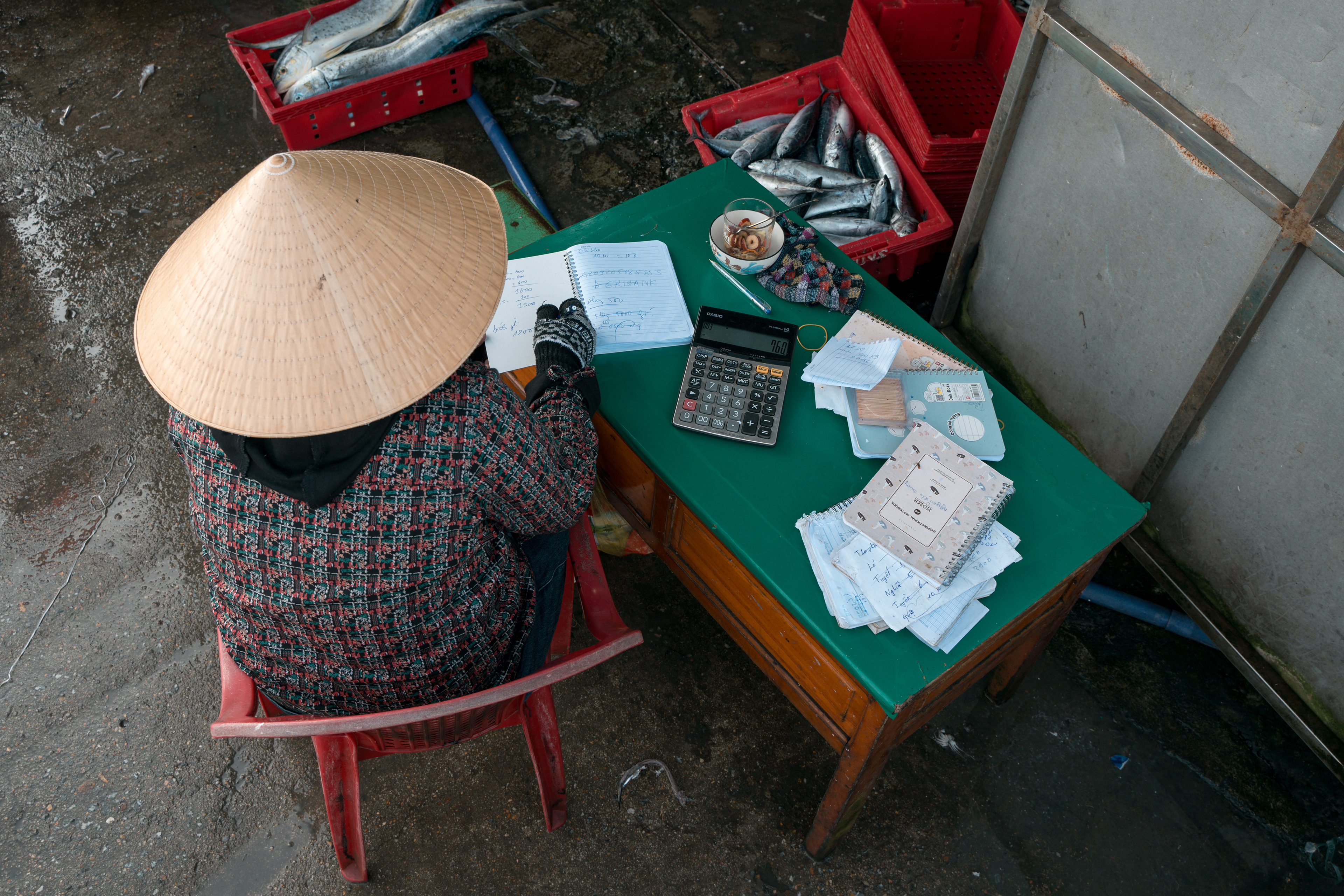
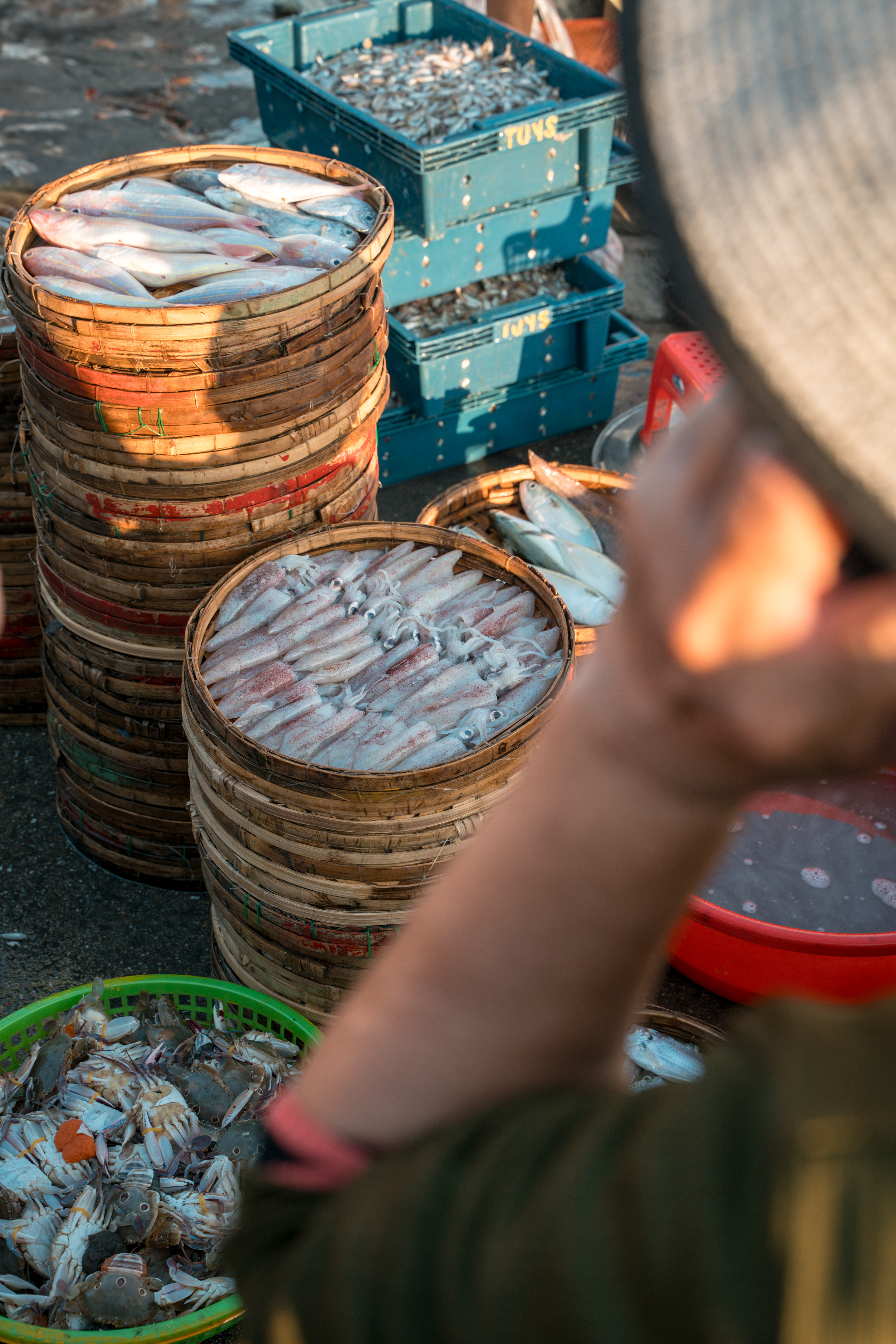
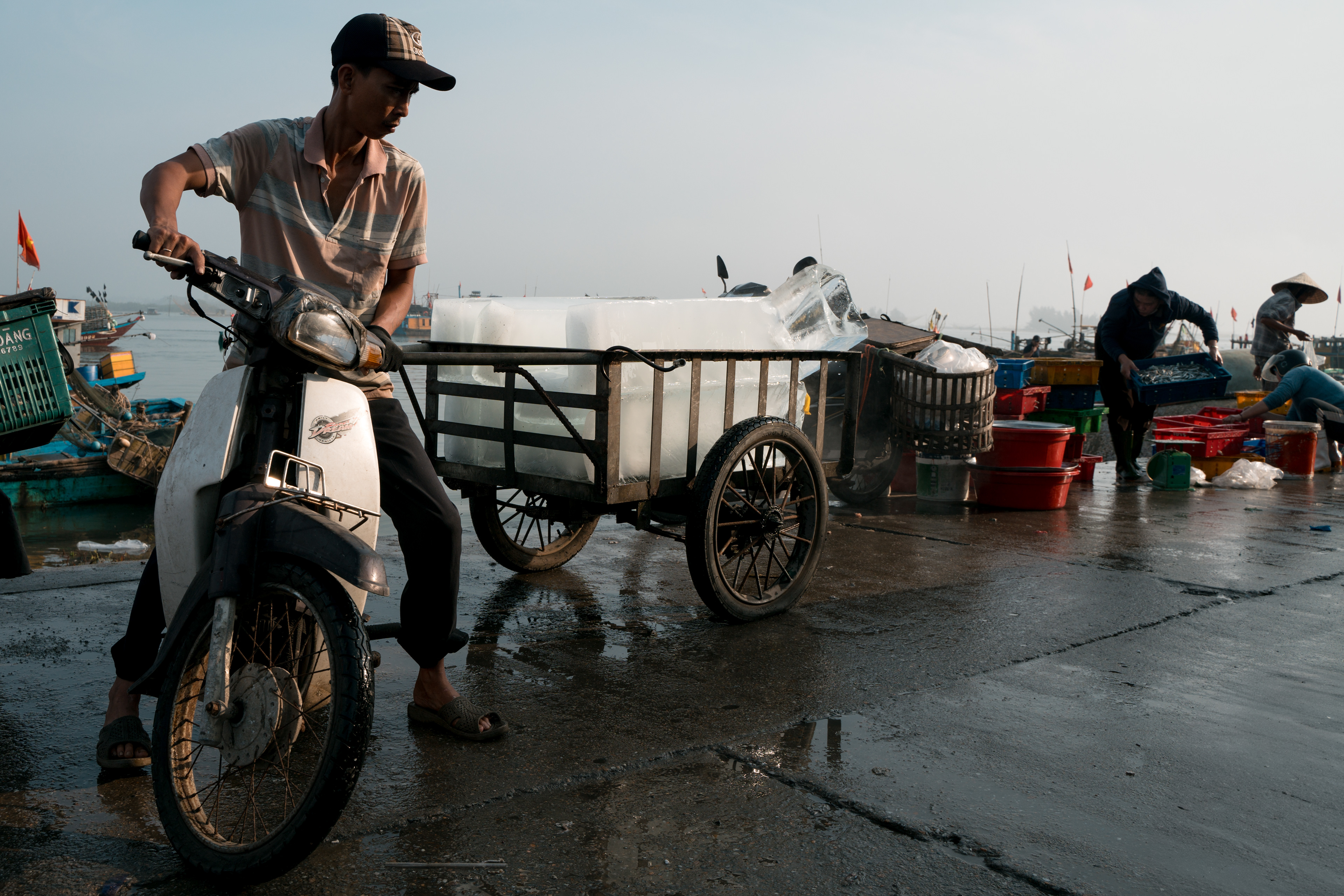
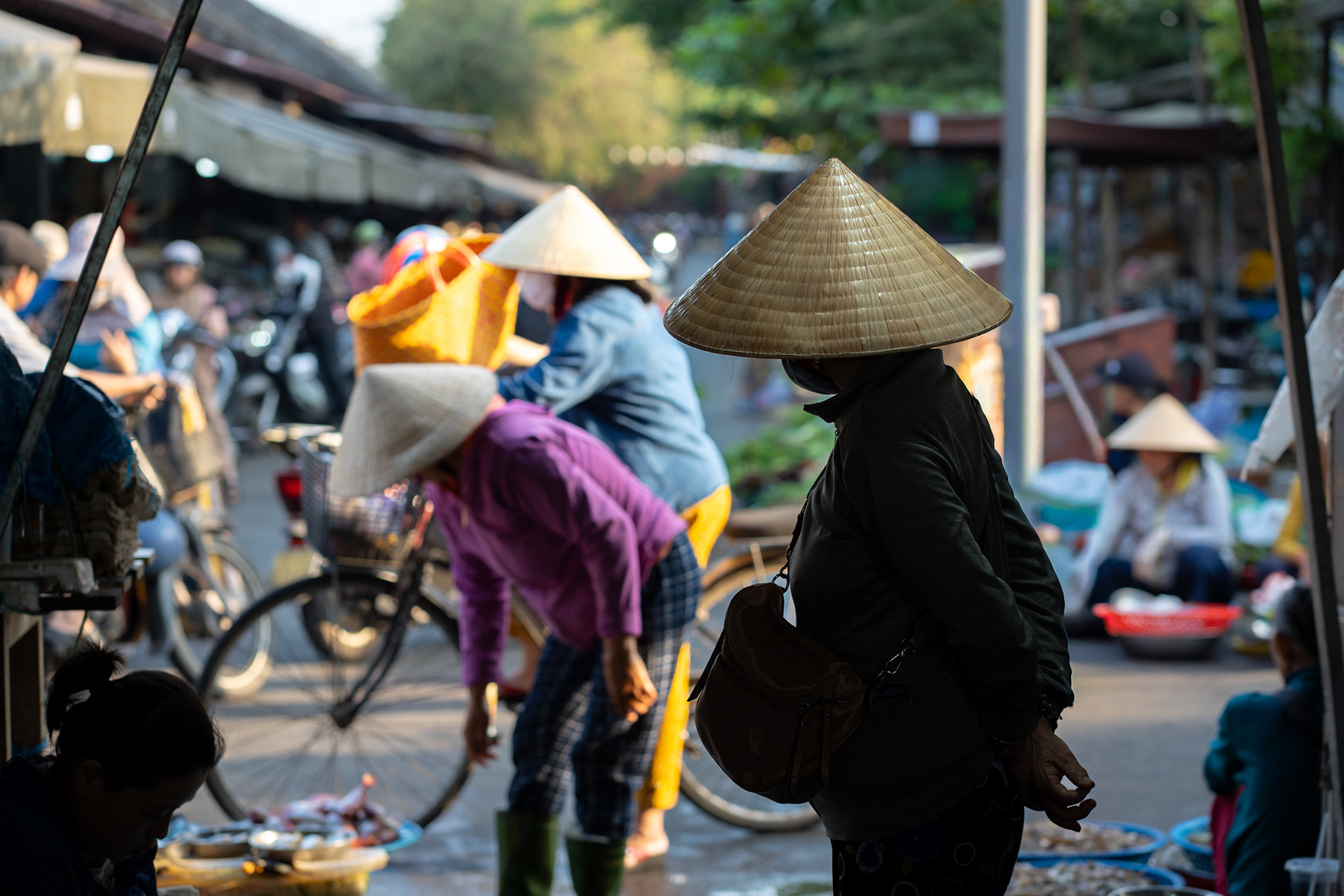
The market is raw and direct: anchovies spread out to dry, ice chopped by hand, and small round basket boats shuttling between the larger vessels and the shore. Every corner has its own rhythm—crews hauling crates across wet concrete, buyers negotiating before the sun is fully up, and the smell of salt and diesel mixing with the warm river air.
Duy Hải is a reminder that the river’s final stretch is not an ending but a convergence: the last passage of the Thu Bon before it reaches the sea, and the first step in a long chain of work that feeds much of central Vietnam.
Hoi An - To The River
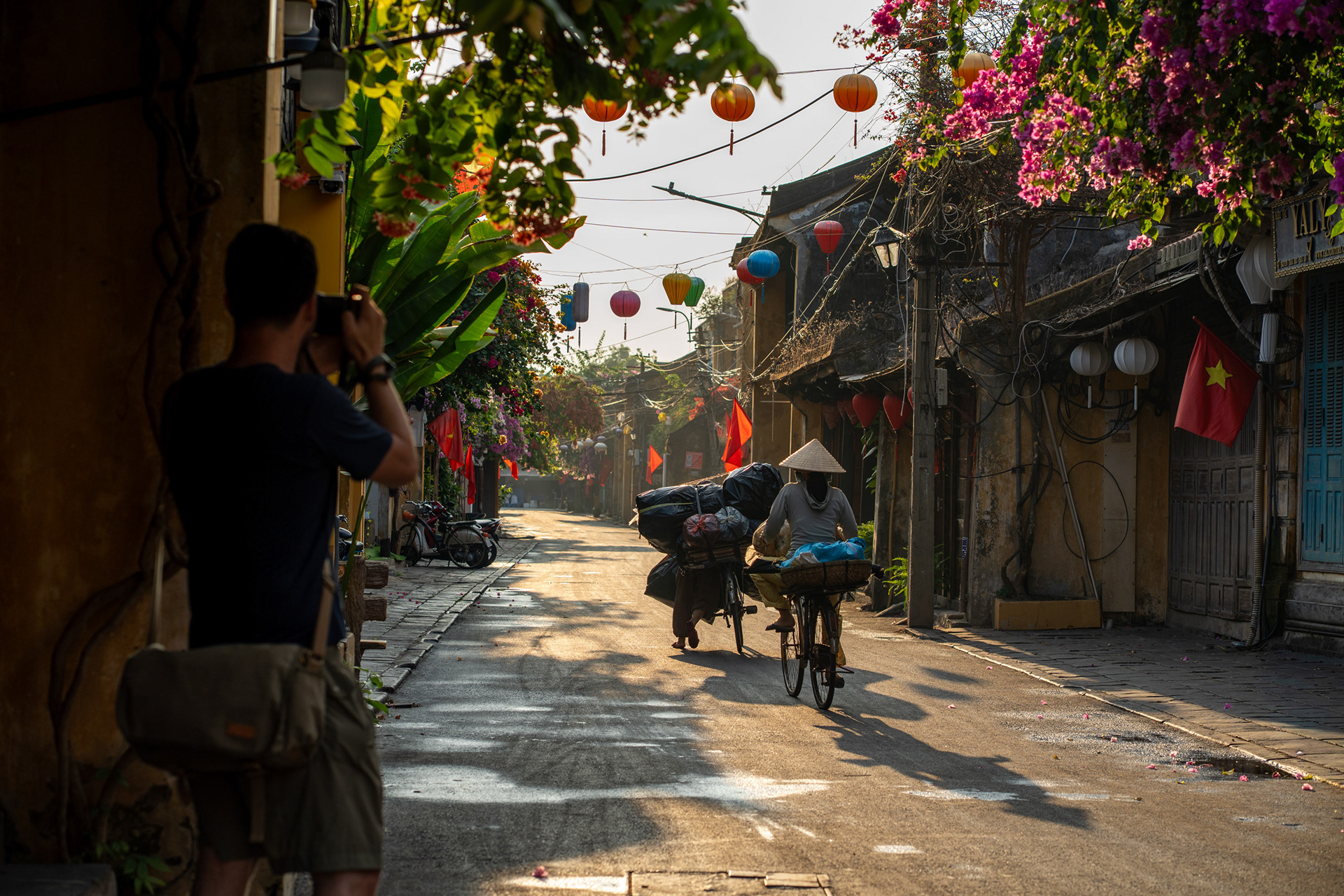
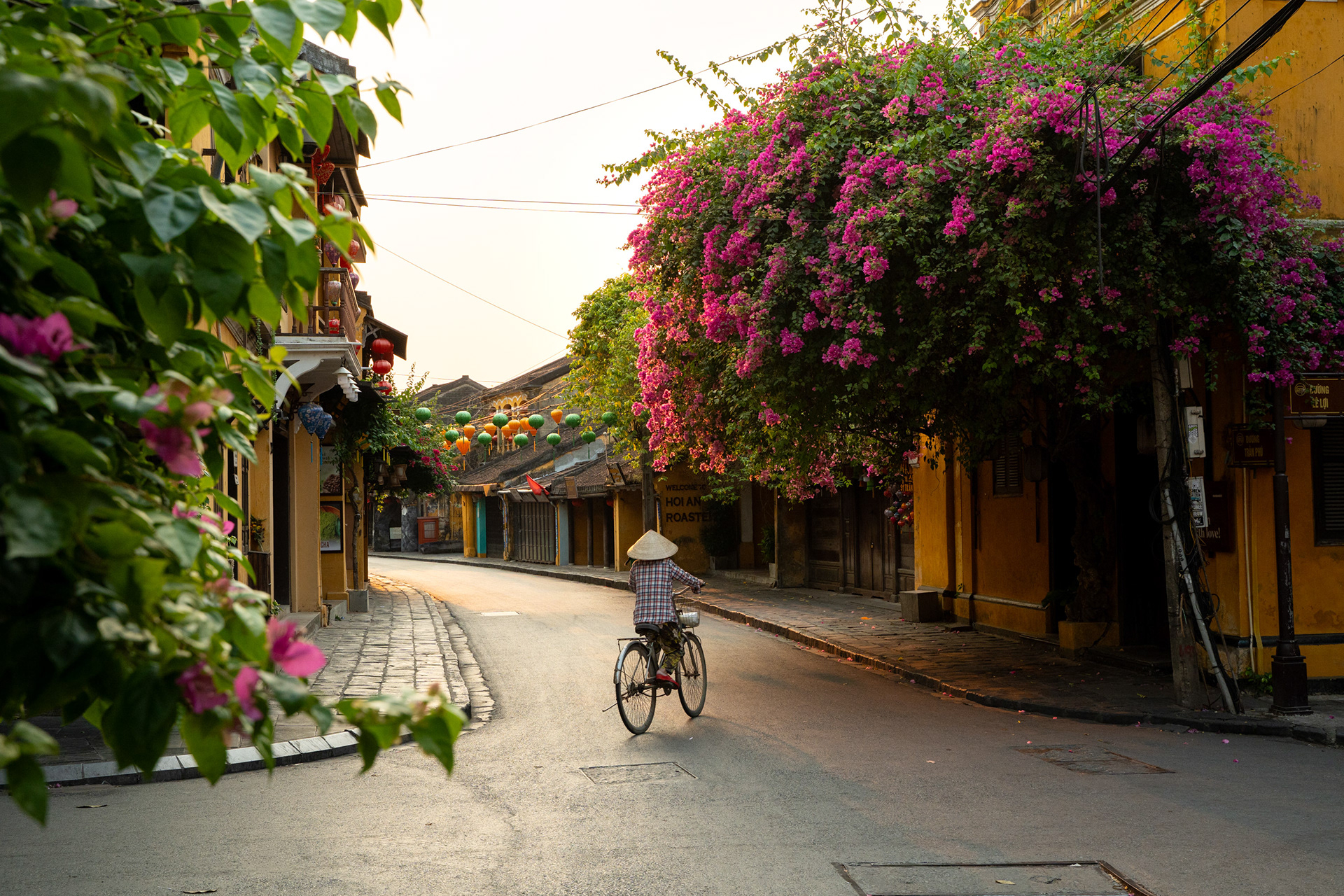
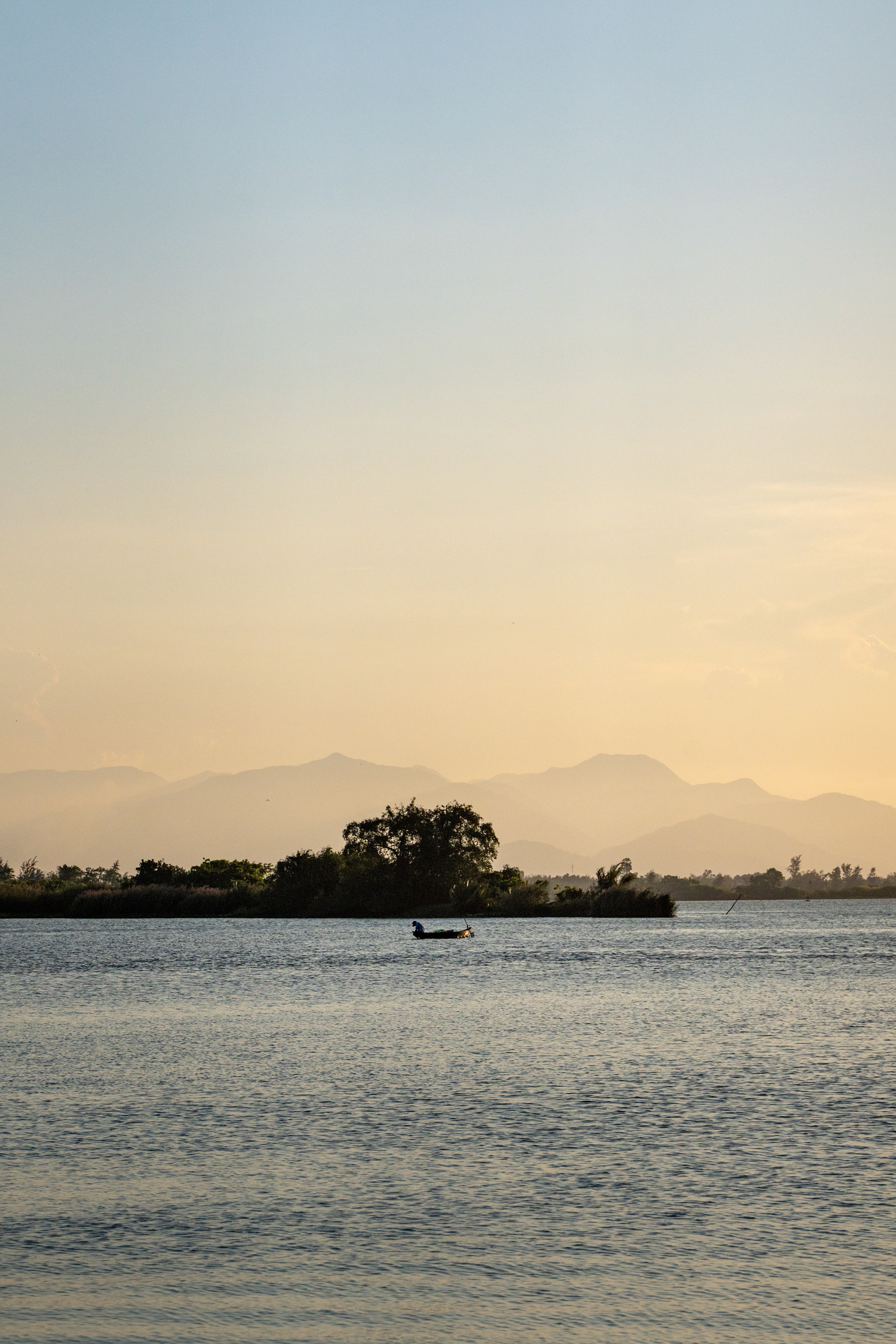
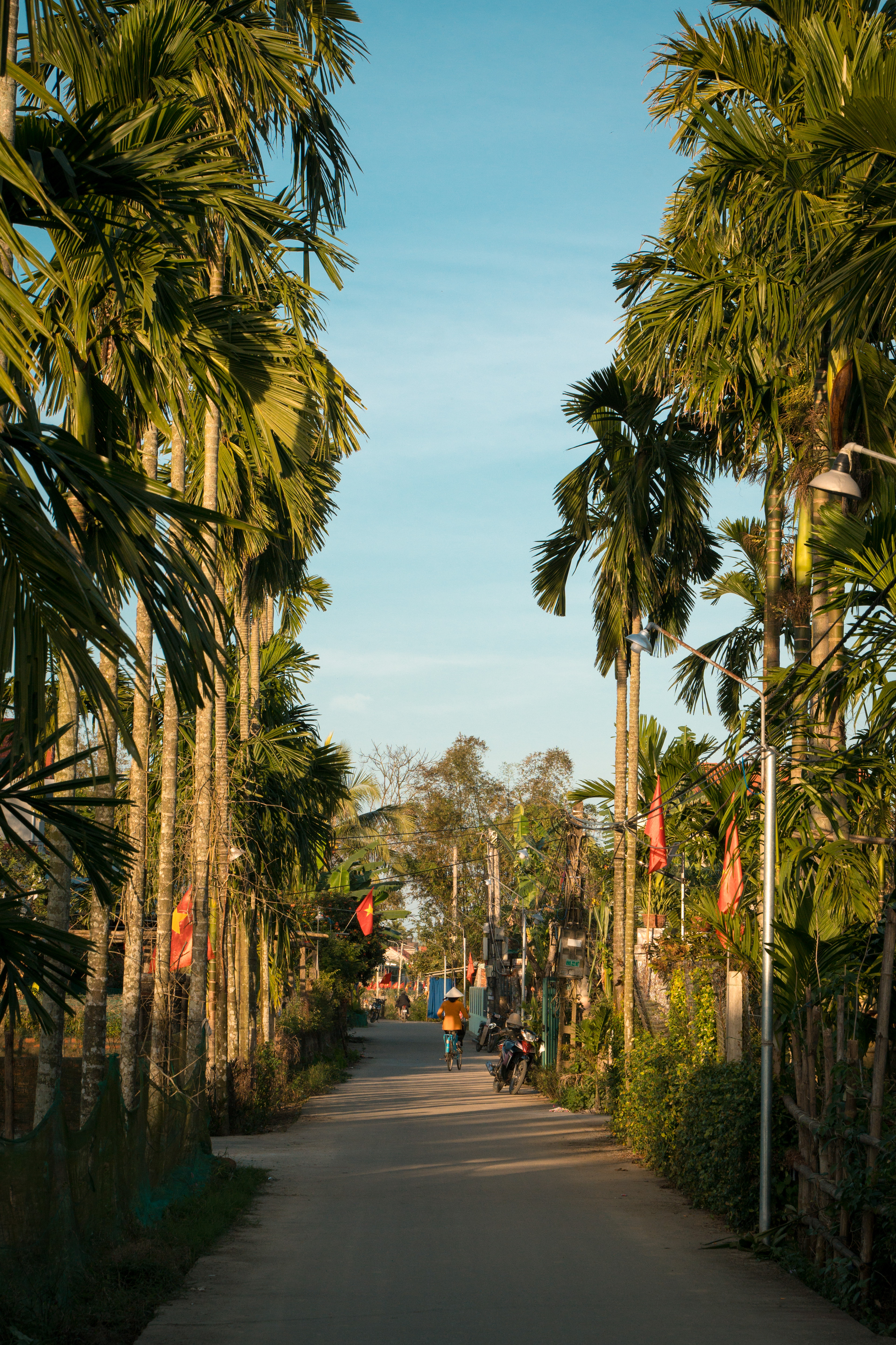
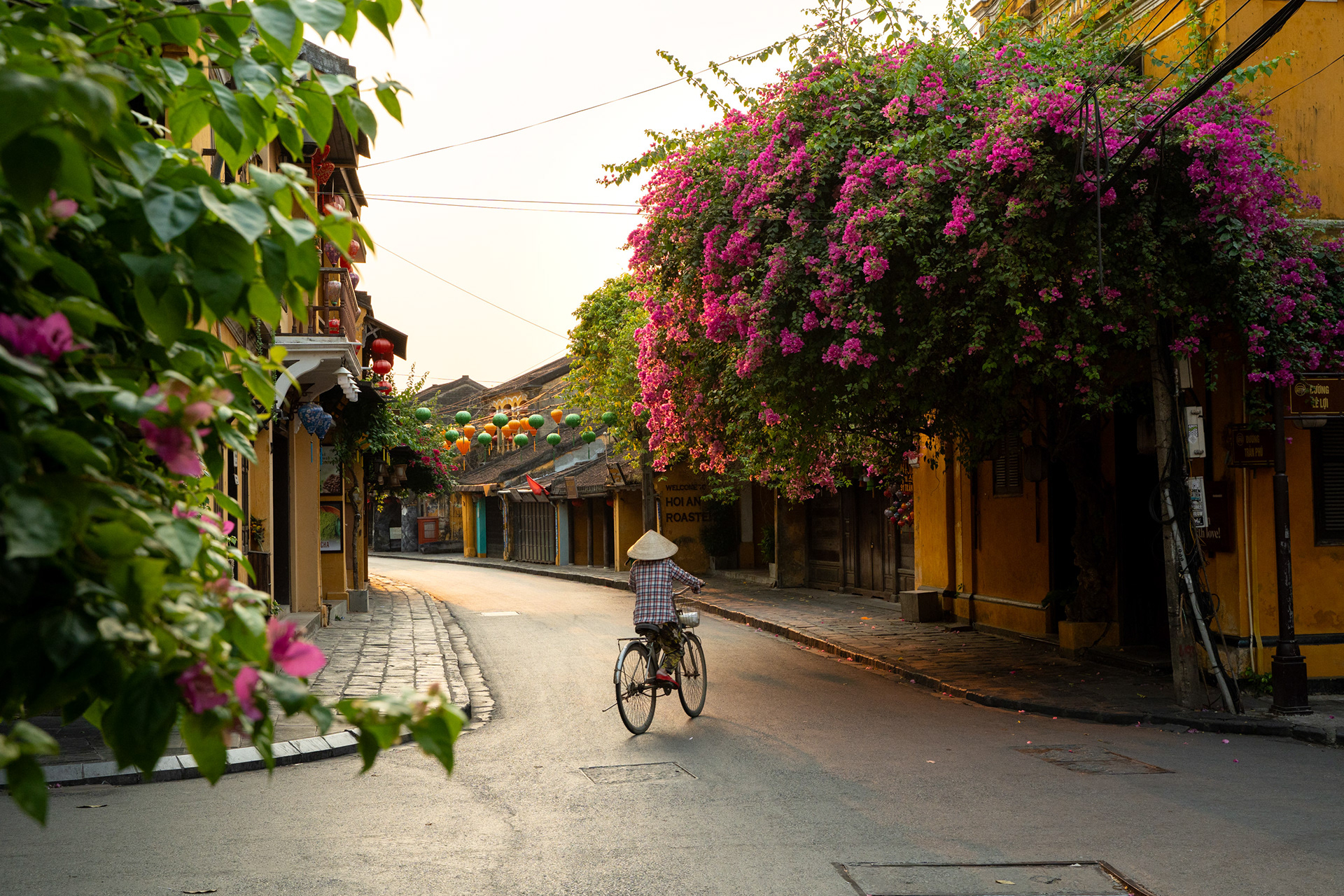
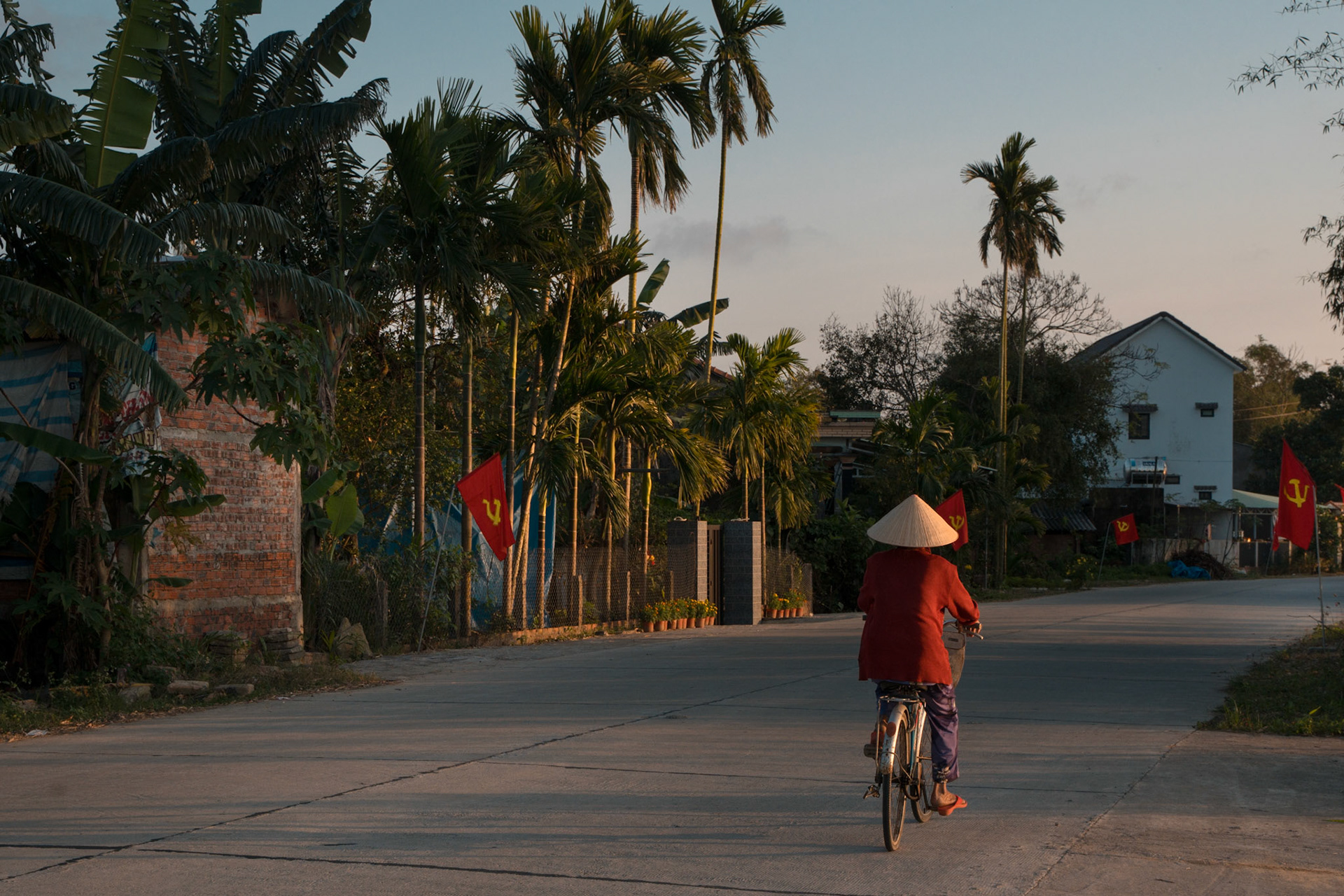
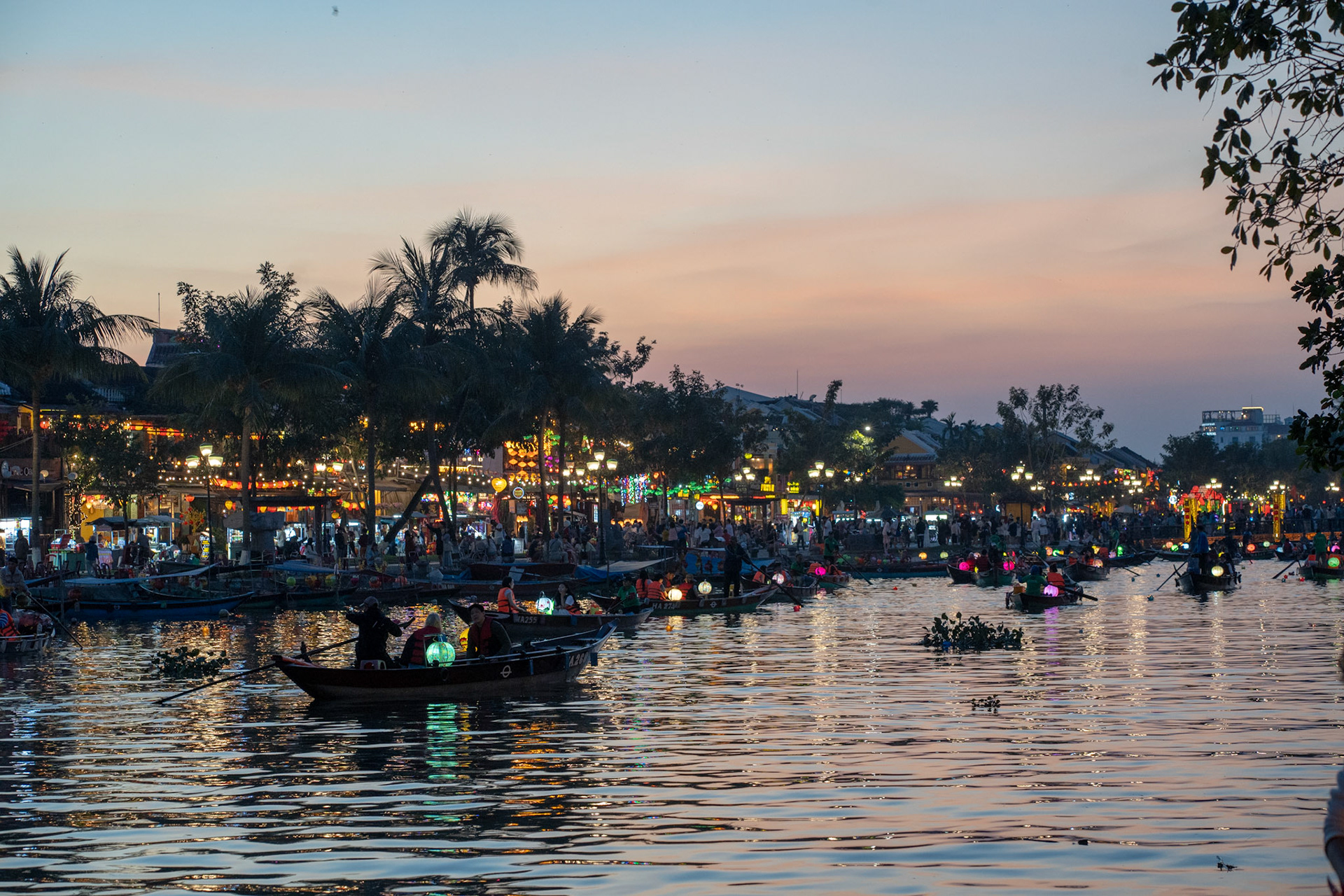
The Thu Bồn River has shaped life in Hội An for centuries. Long before the lanterns and tourism arrived, these waters linked the coast to the mountains, carrying timber, ceramics, and silk between inland communities and traders from across Asia. Even now, away from the busy ancient town, the river remains the quiet centre of daily life.
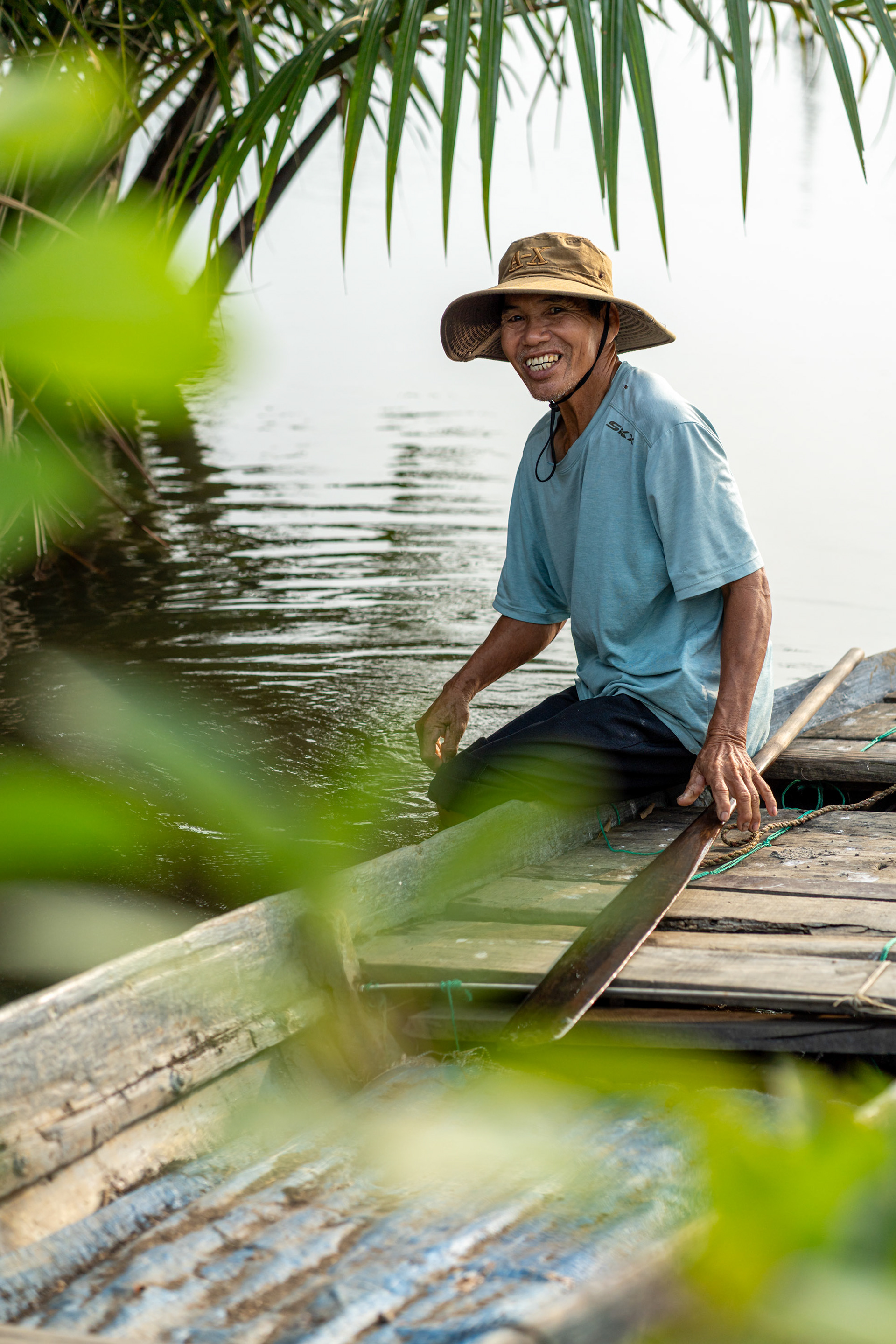
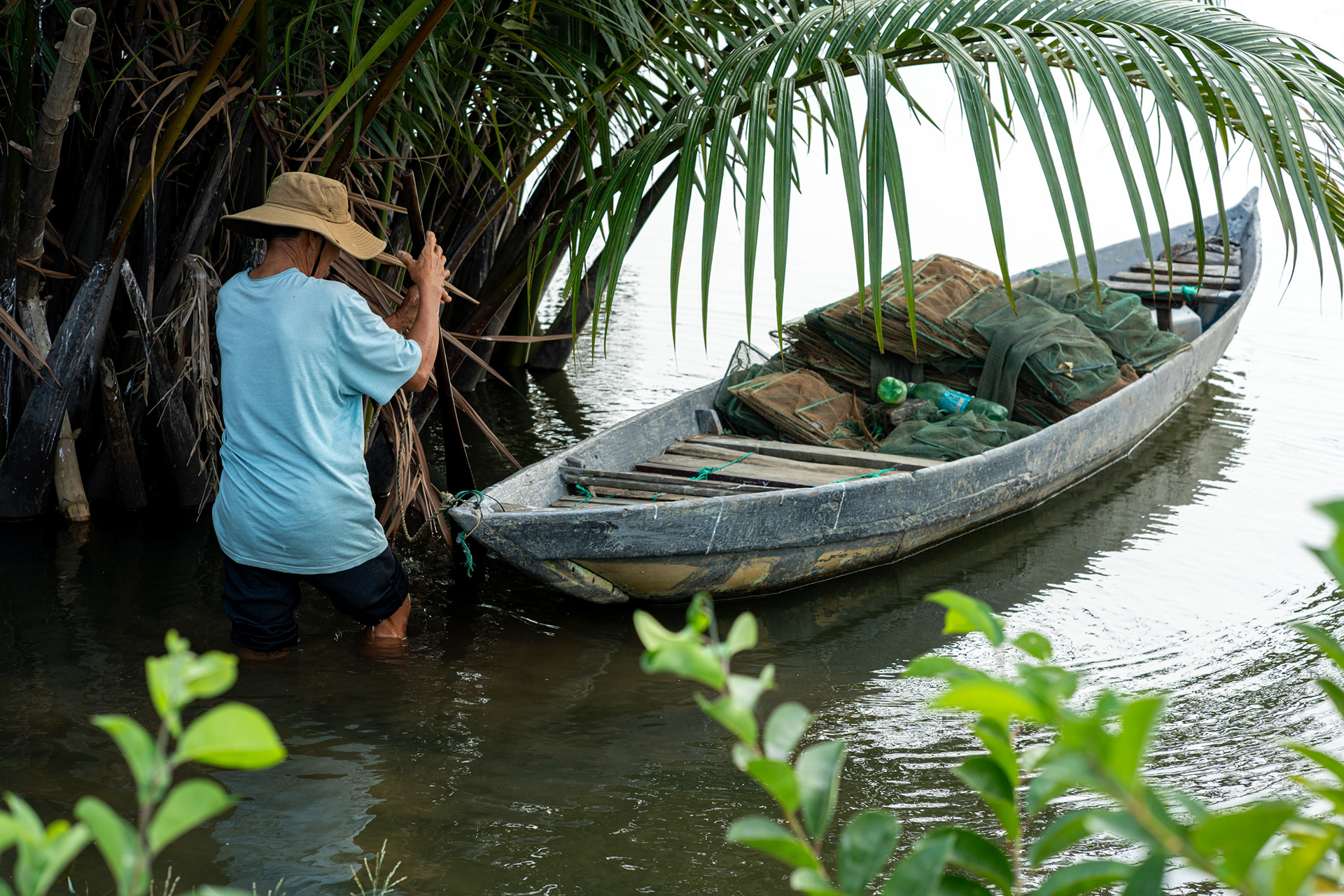
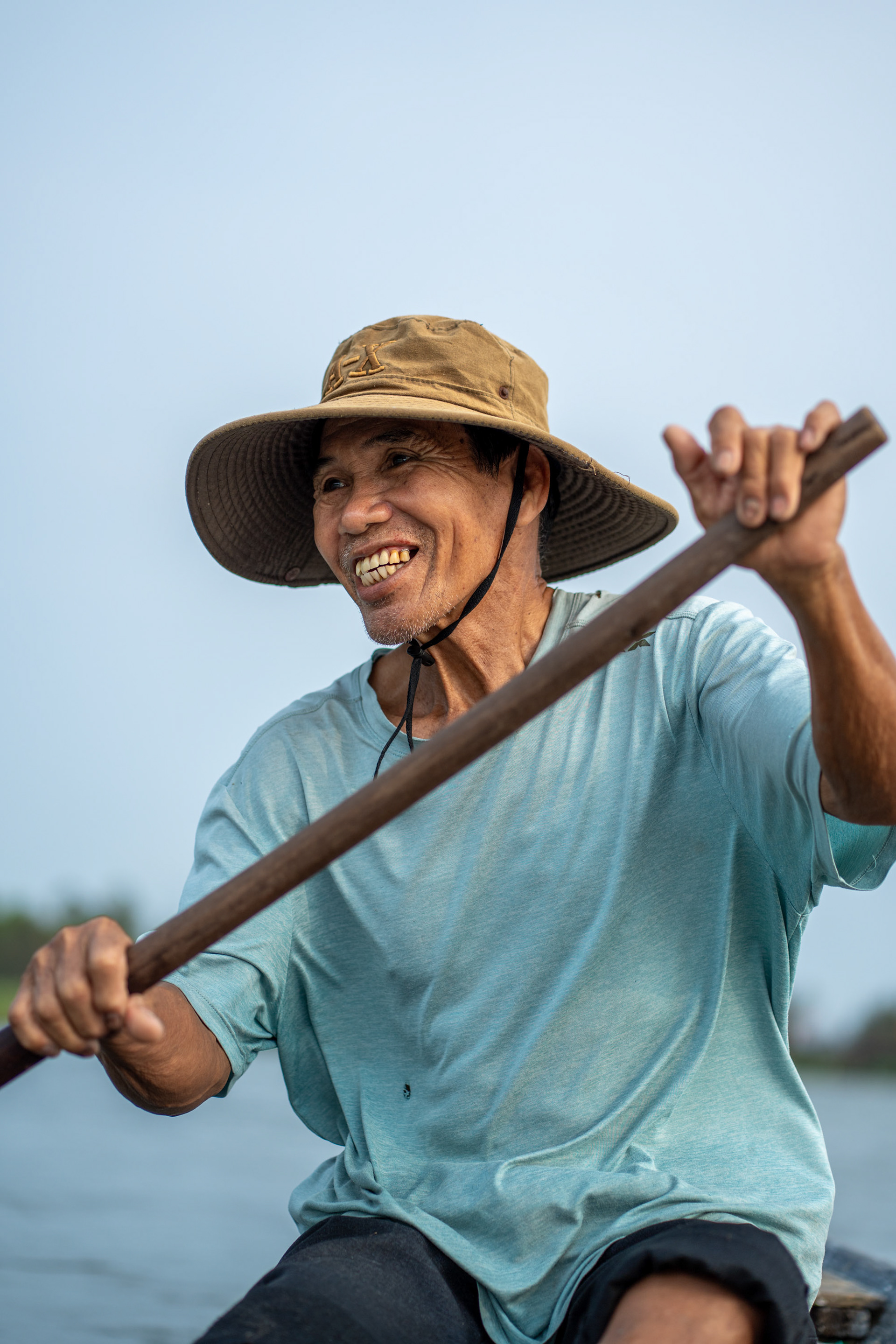
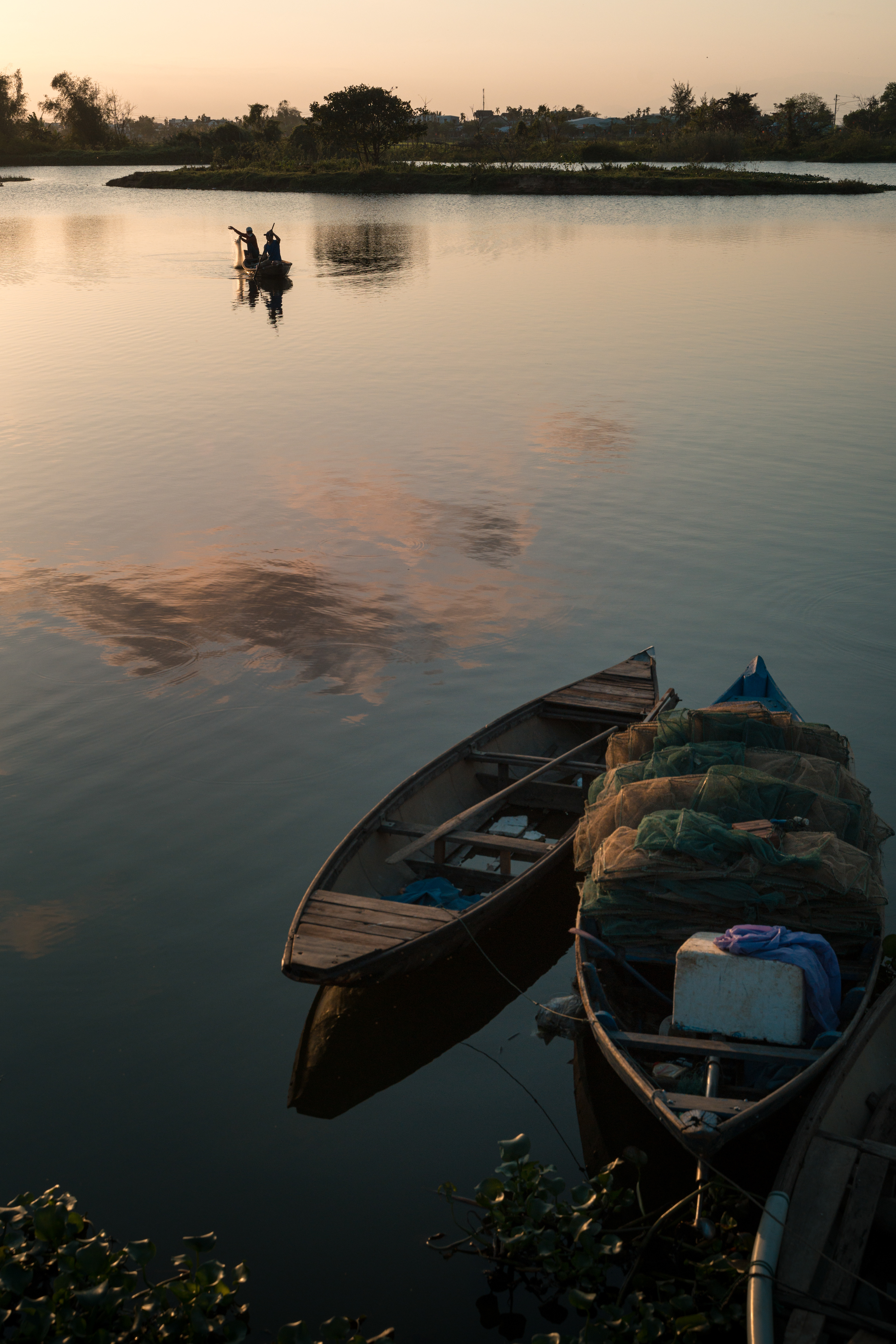
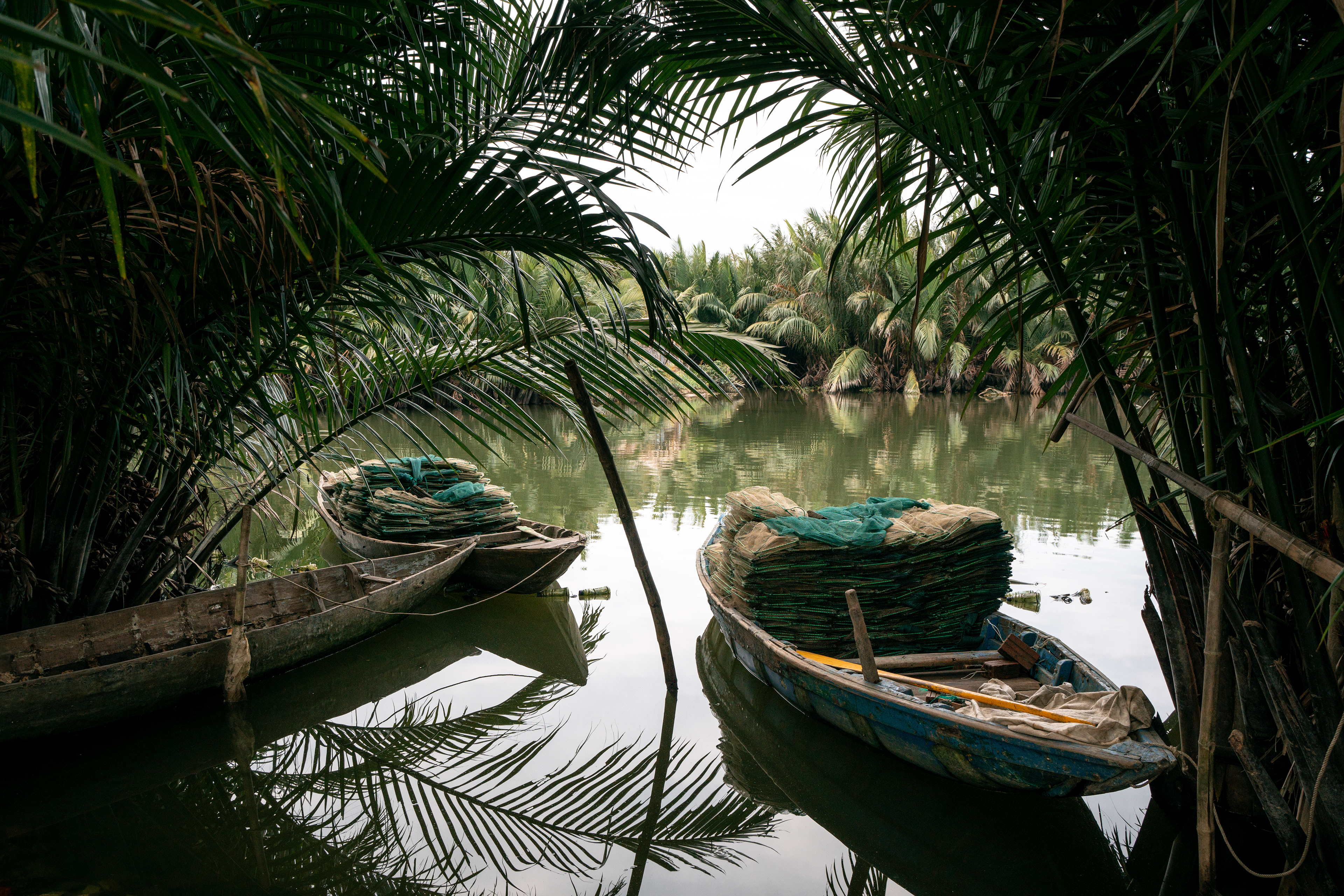
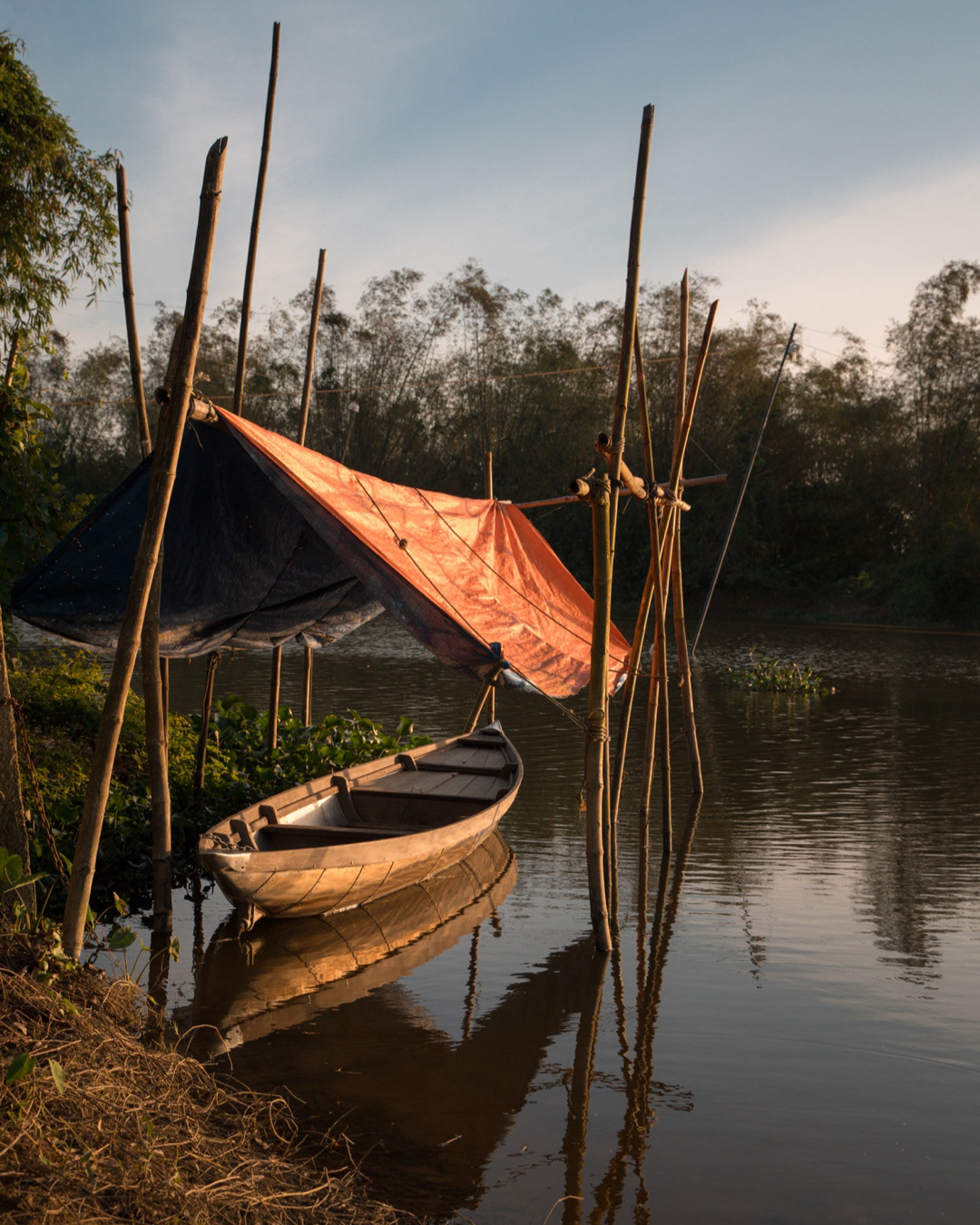
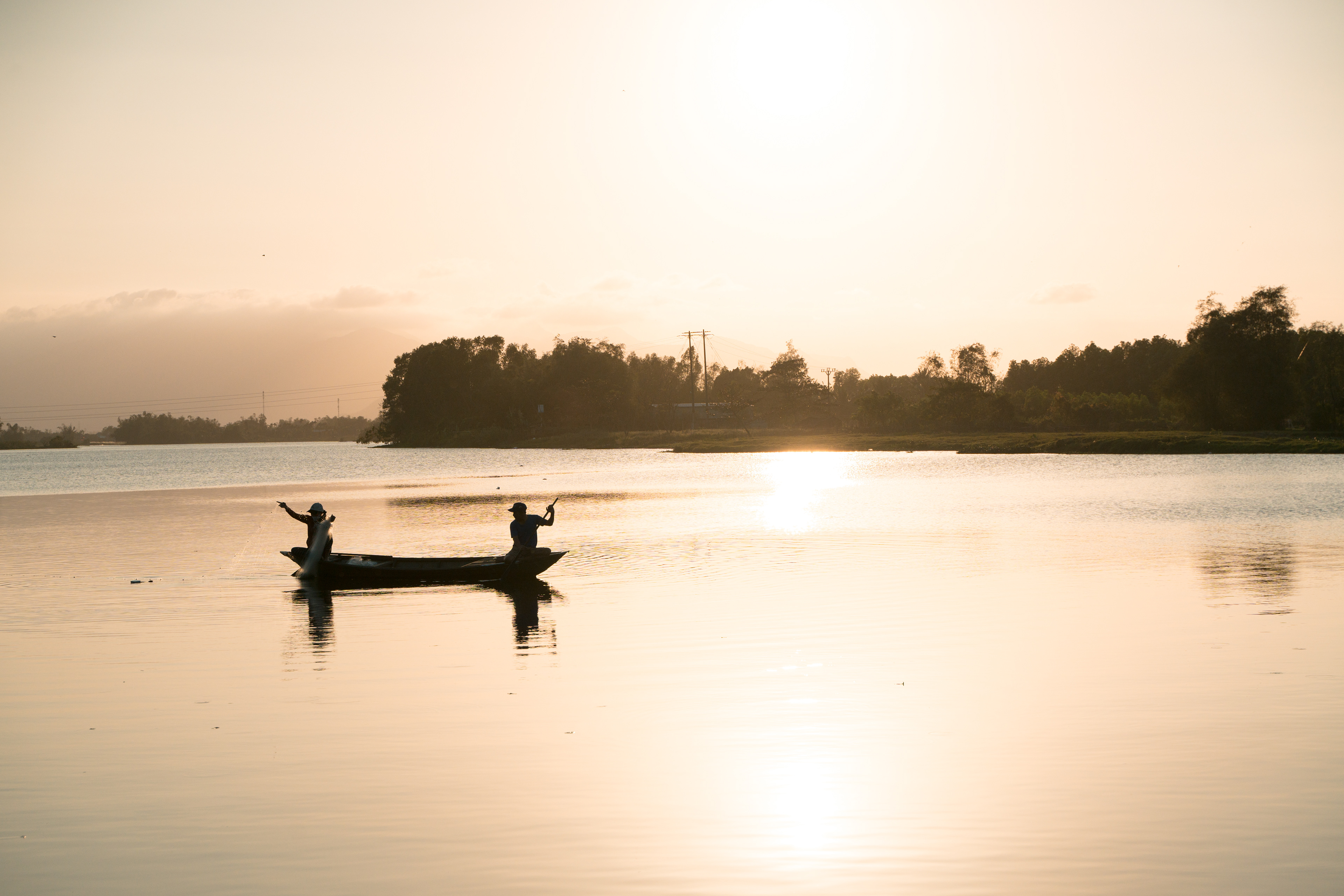
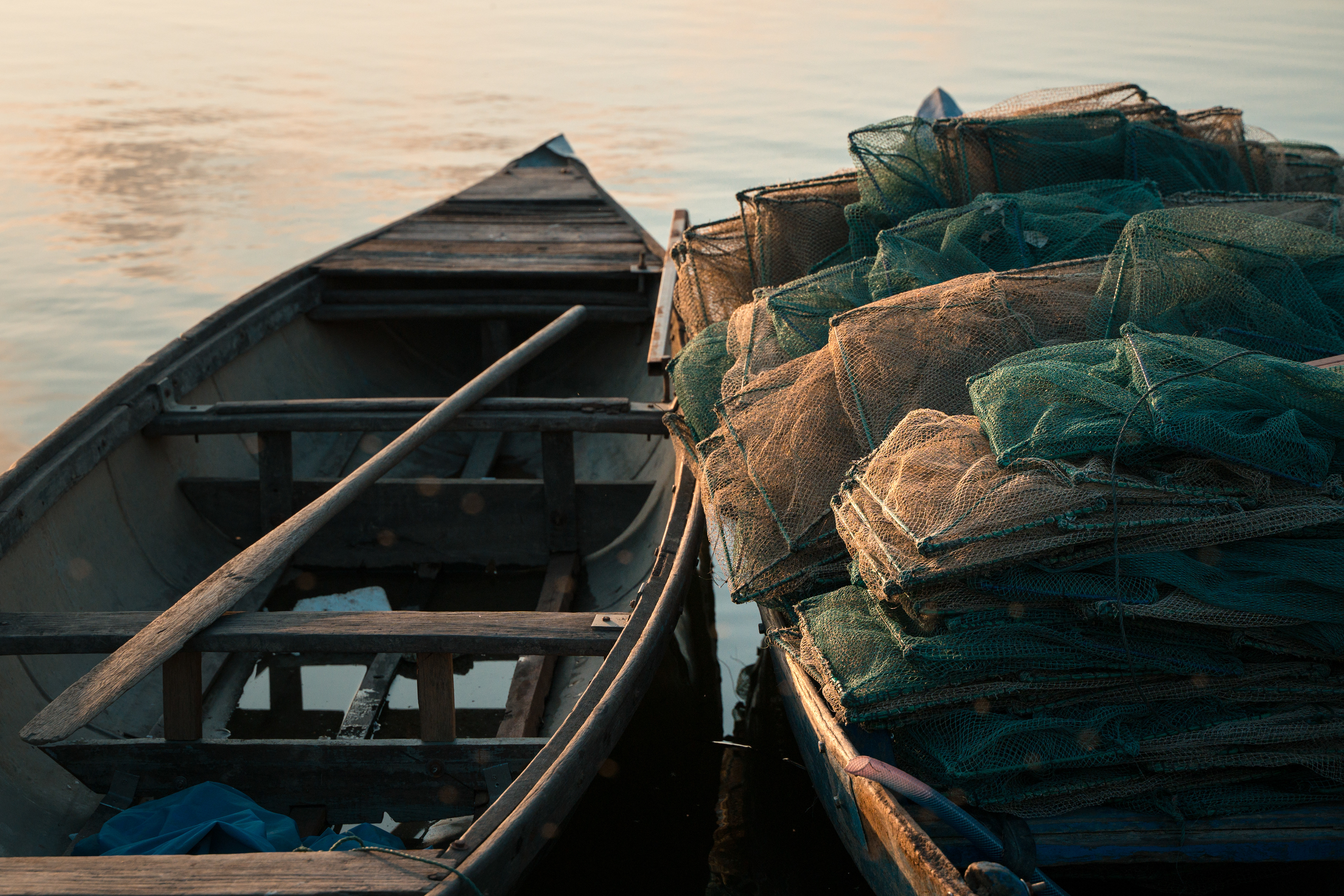
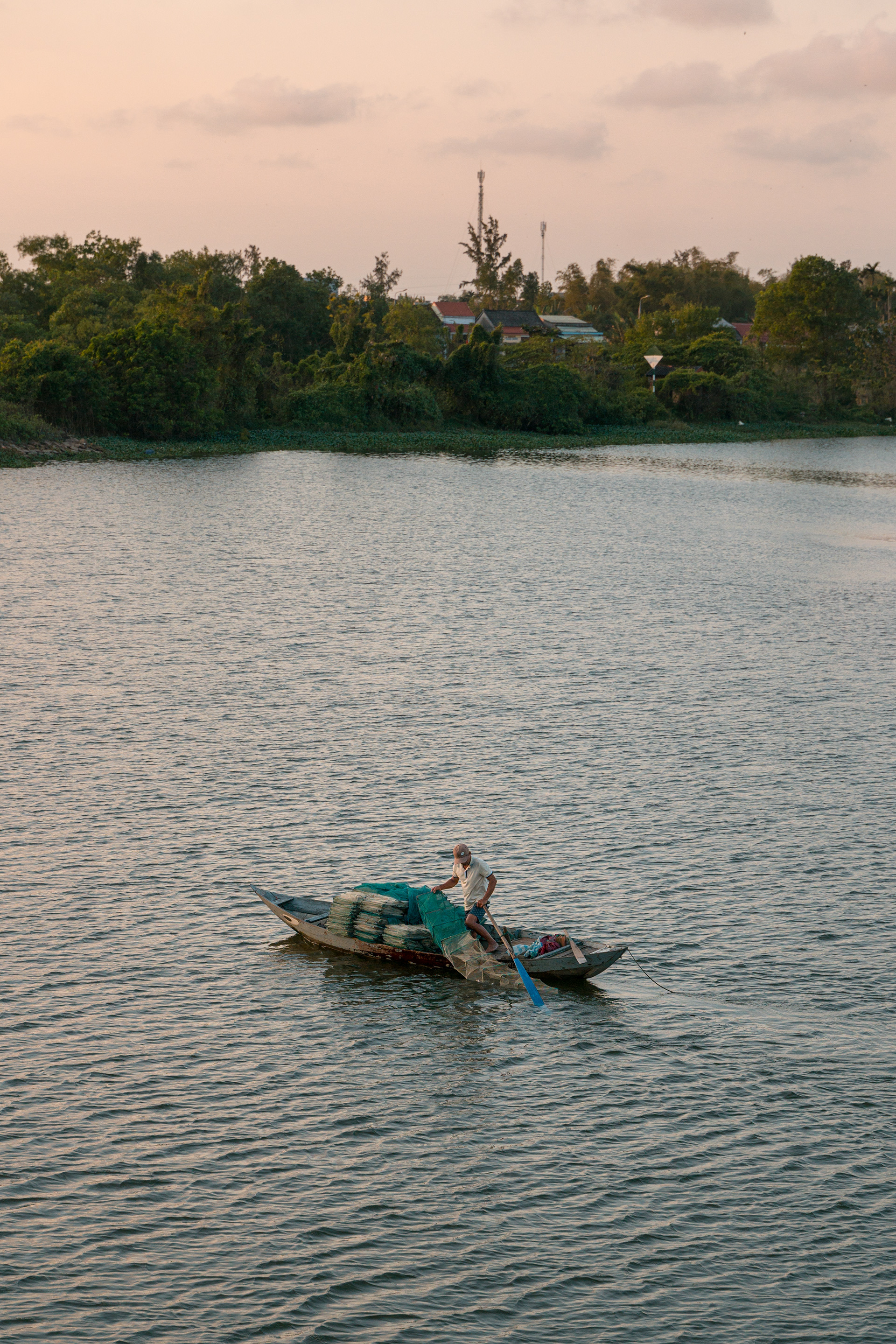
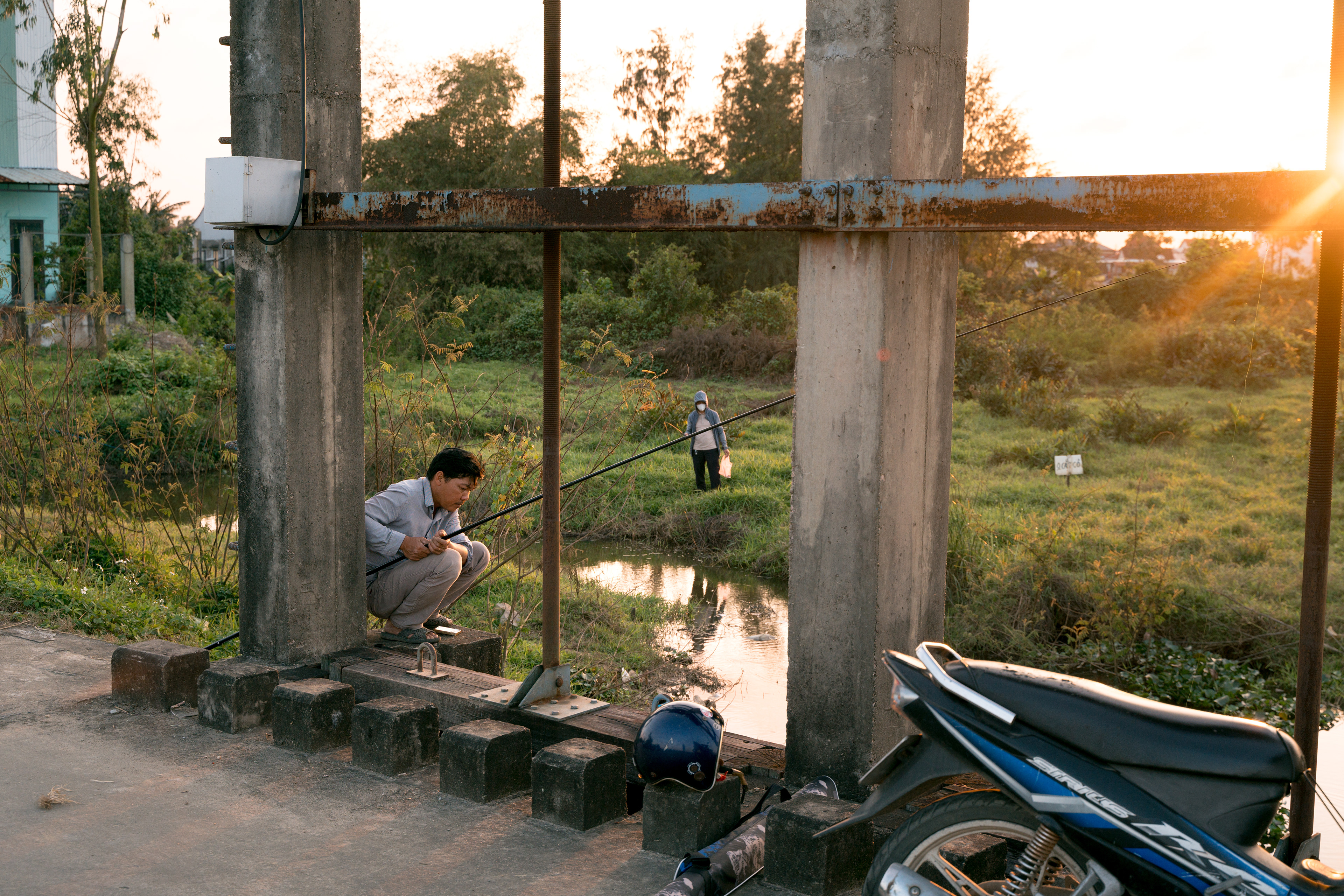
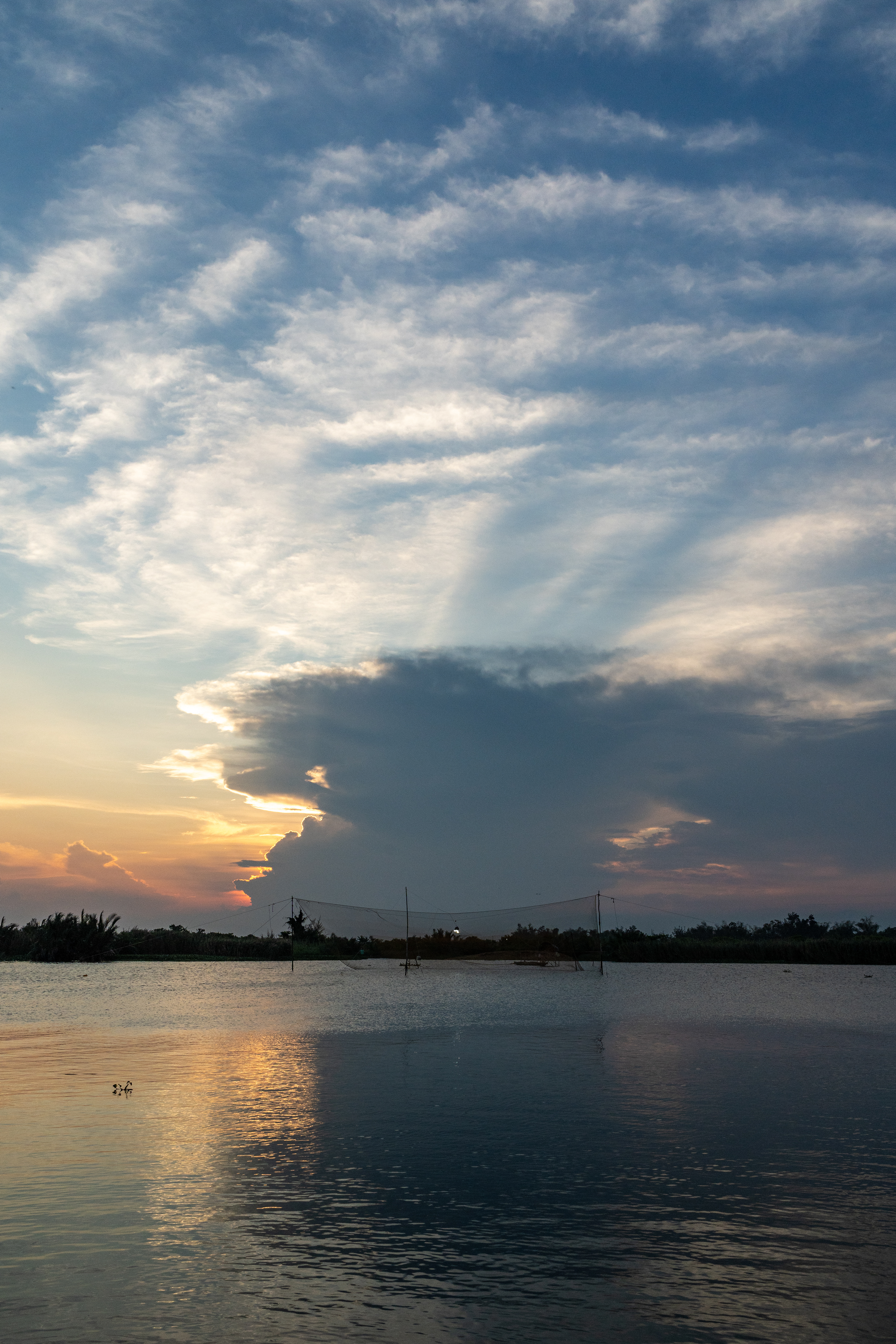
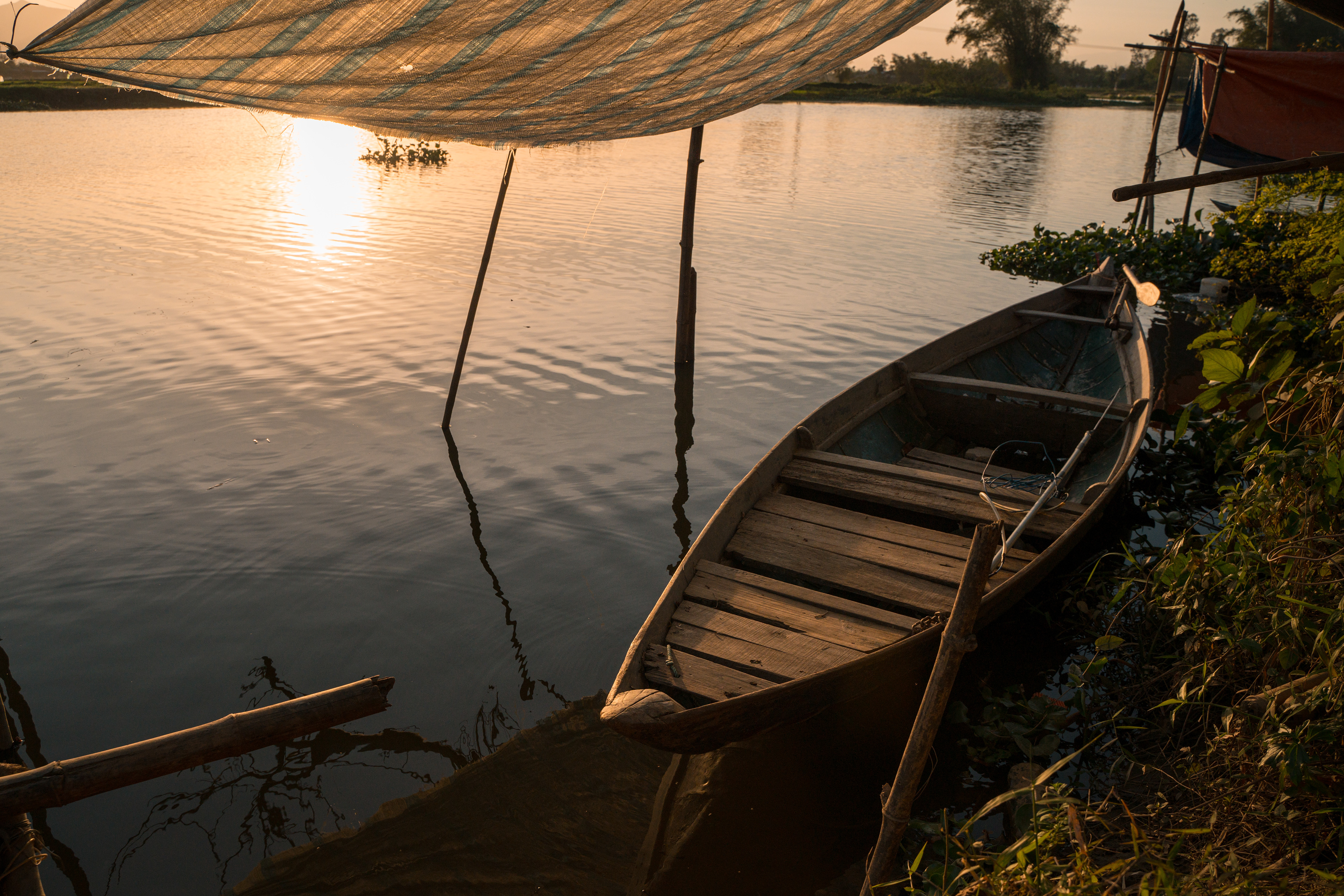
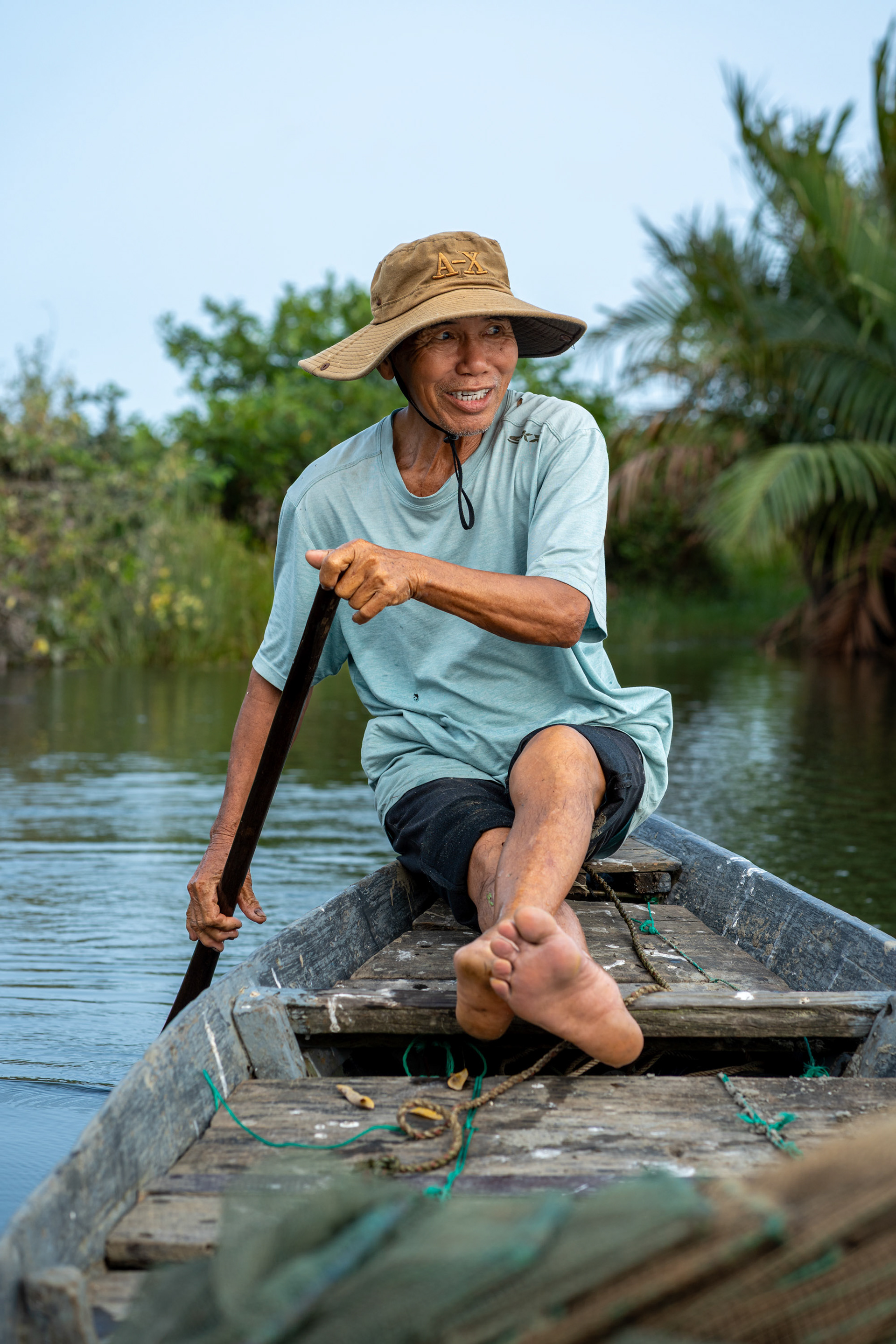
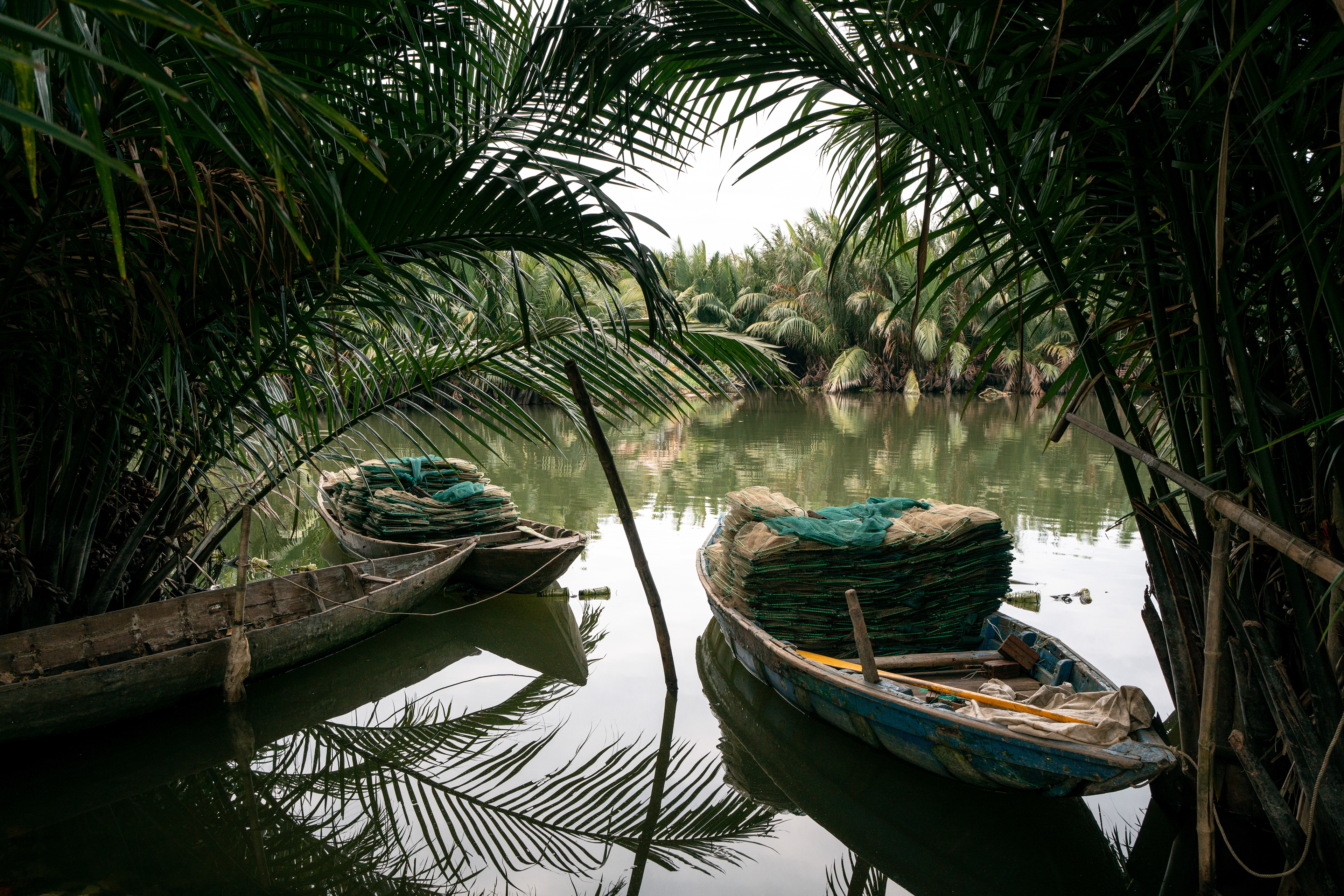
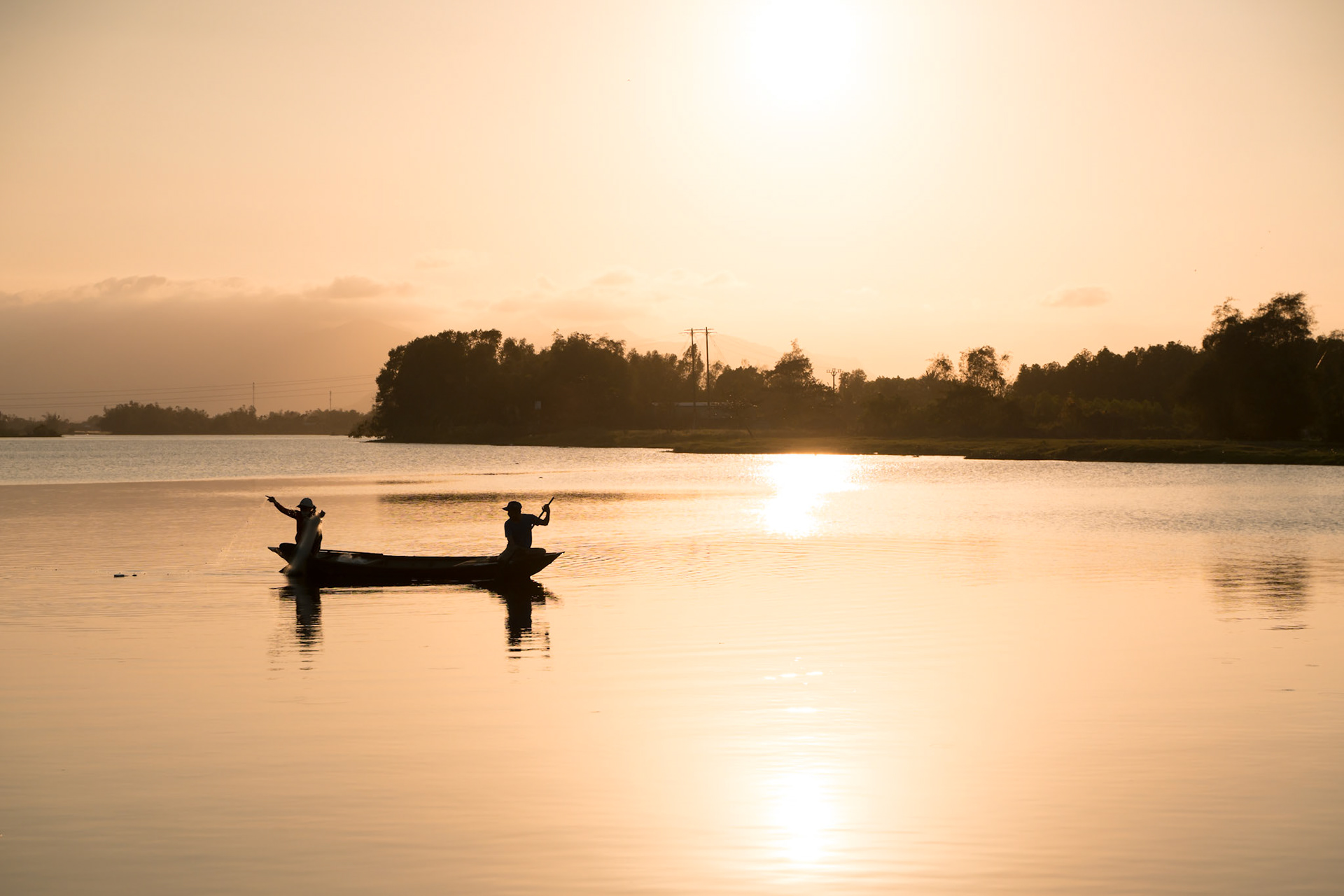
Small wooden boats sit under palms, loaded with fishing nets and traps that will be checked at first and last light. Families still rely on these narrow channels for their income, moving slowly through the water the way their parents and grandparents did. In the late afternoon, fishers work from low canoes, casting nets into water tinted by the last light of the day. As the sun drops, they move with steady, practised rhythm, determined to make the most of the fading hours.
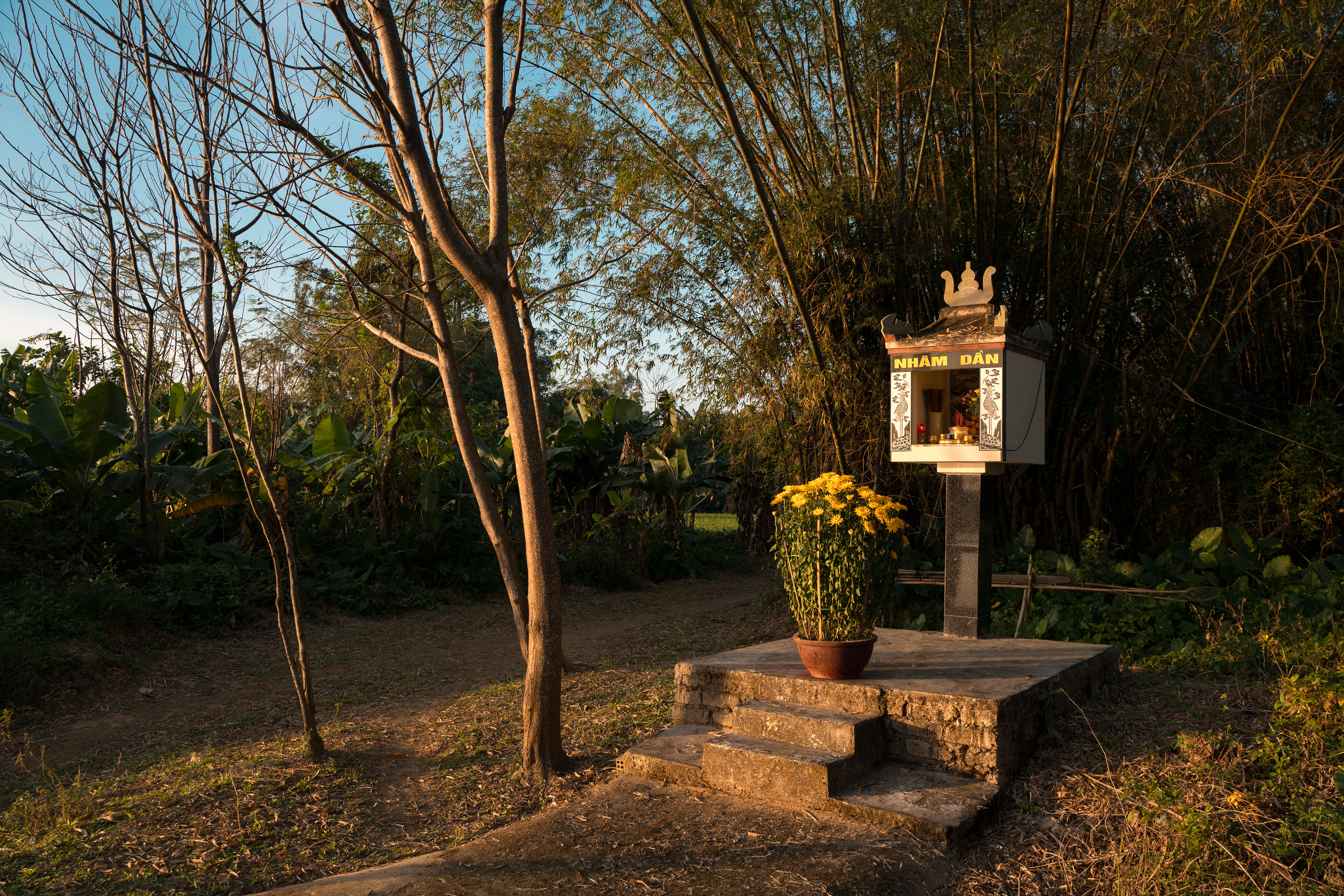
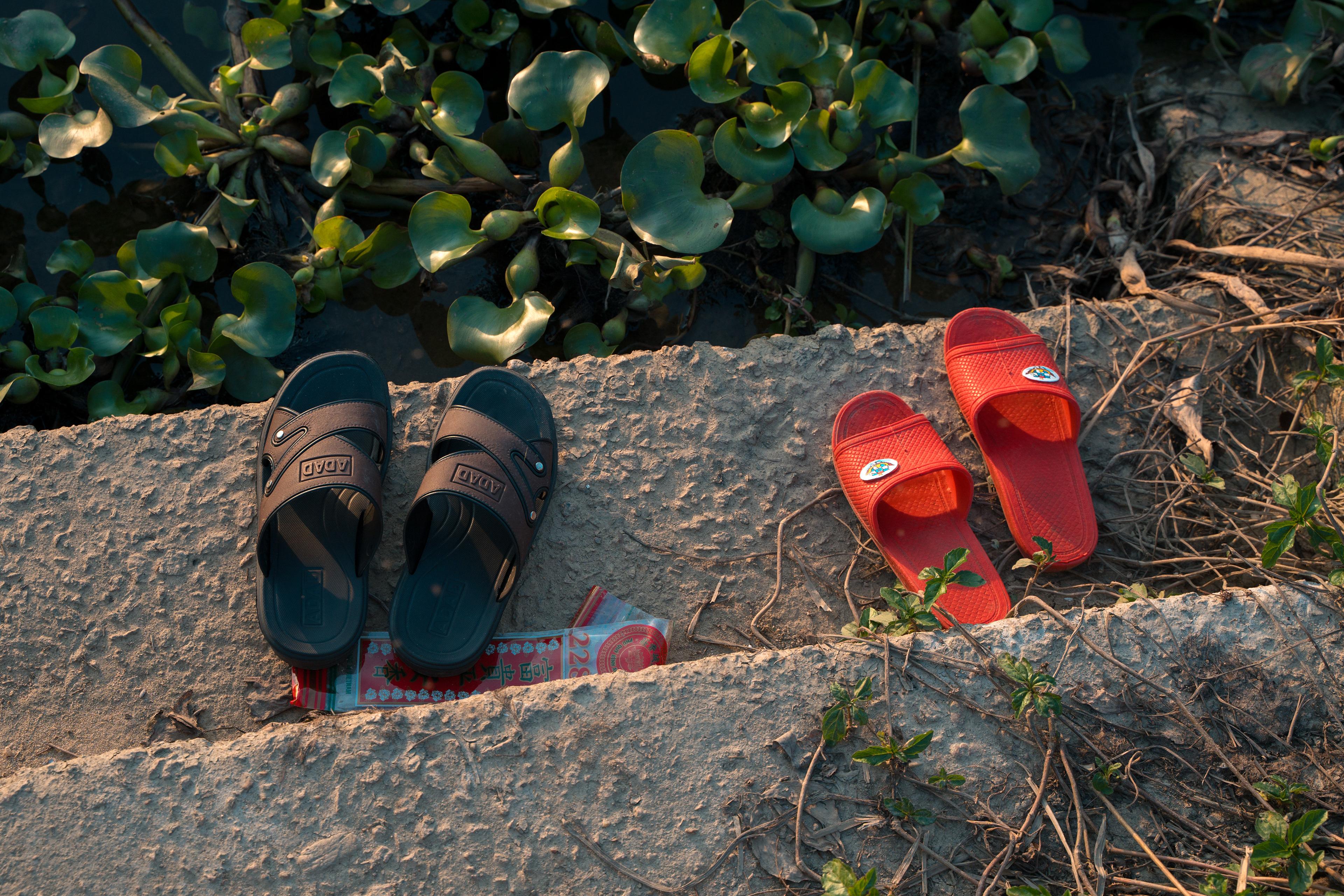
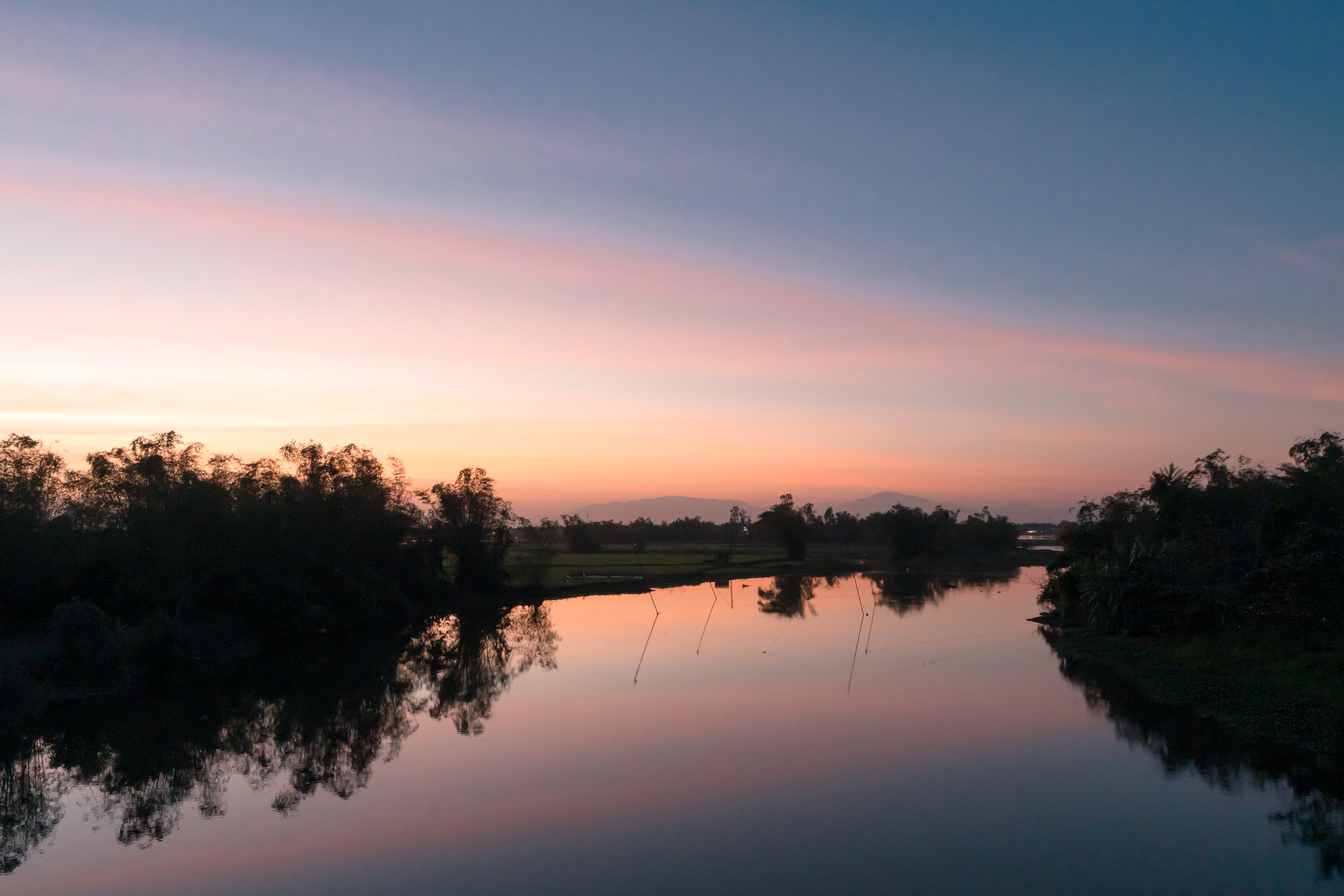
Shrines stand at the paths leading to the water, small markers offering protection for those who depend on the river’s moods. The landscape shifts constantly — tides, silt, seasonal floods — yet the routines remain steady.
Here, the Thu Bồn is not a backdrop. It is the thread that holds the outer villages of Quảng Nam together, a working river that continues to feed the communities built along its edge.
Hoi An – To The Fields
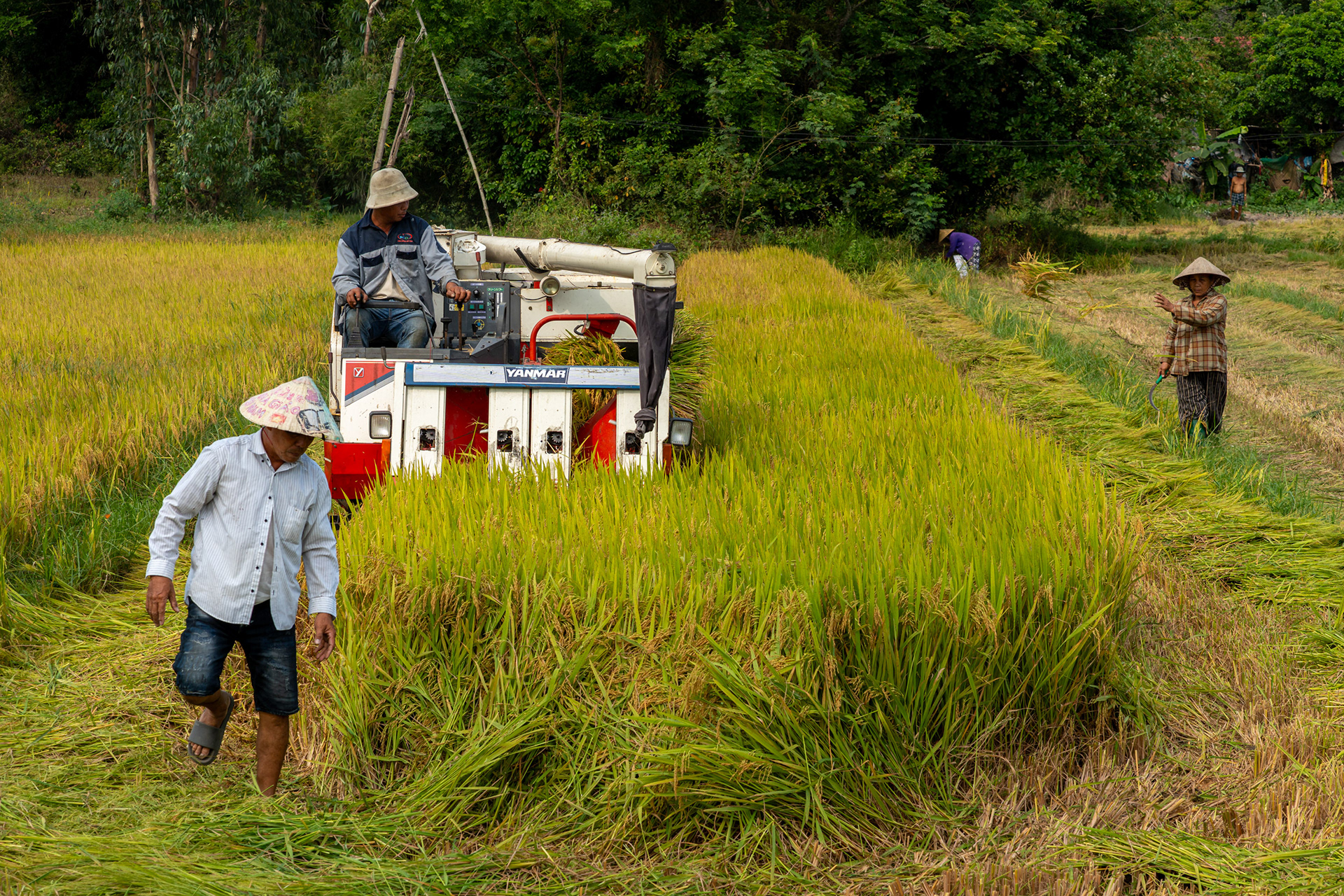
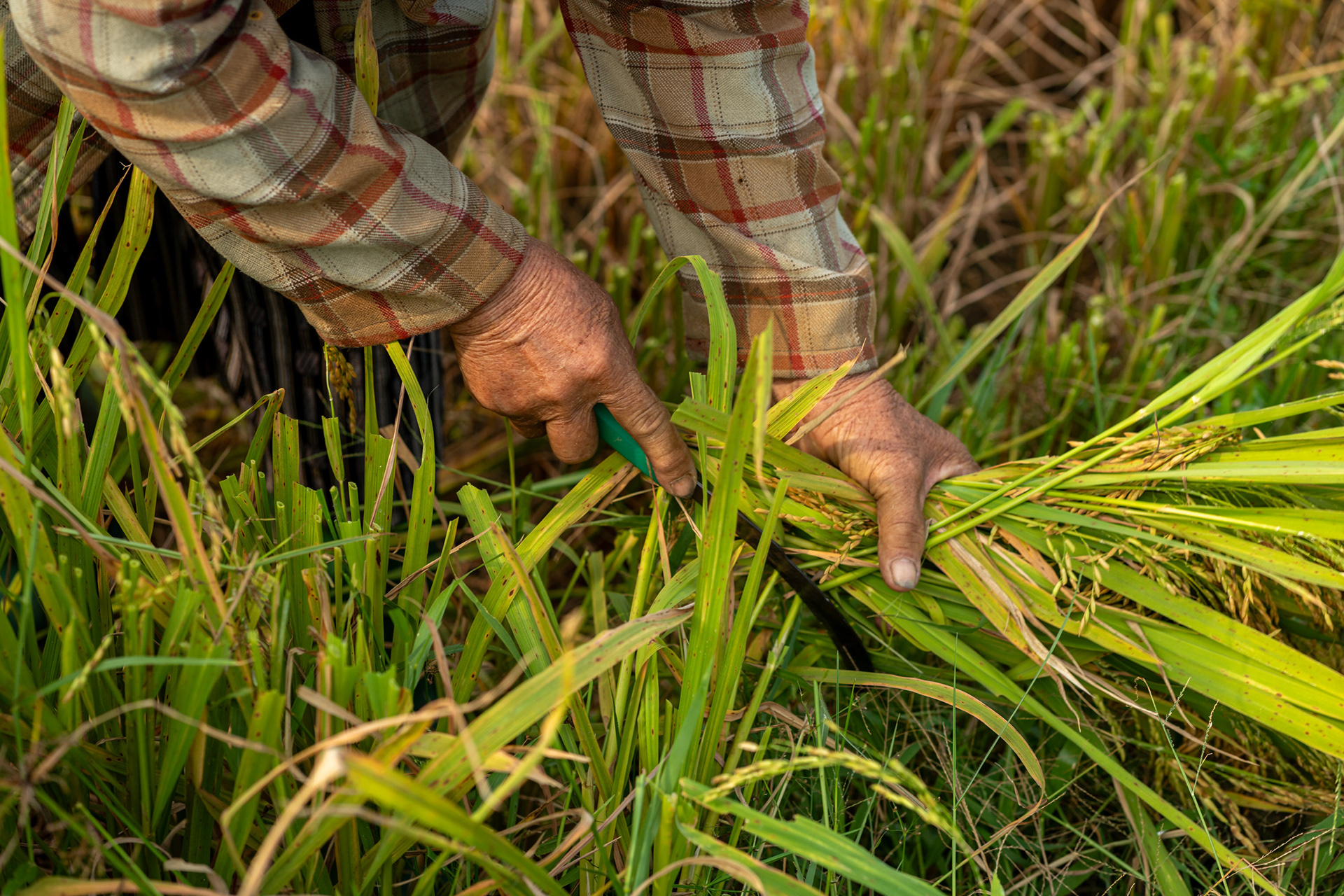
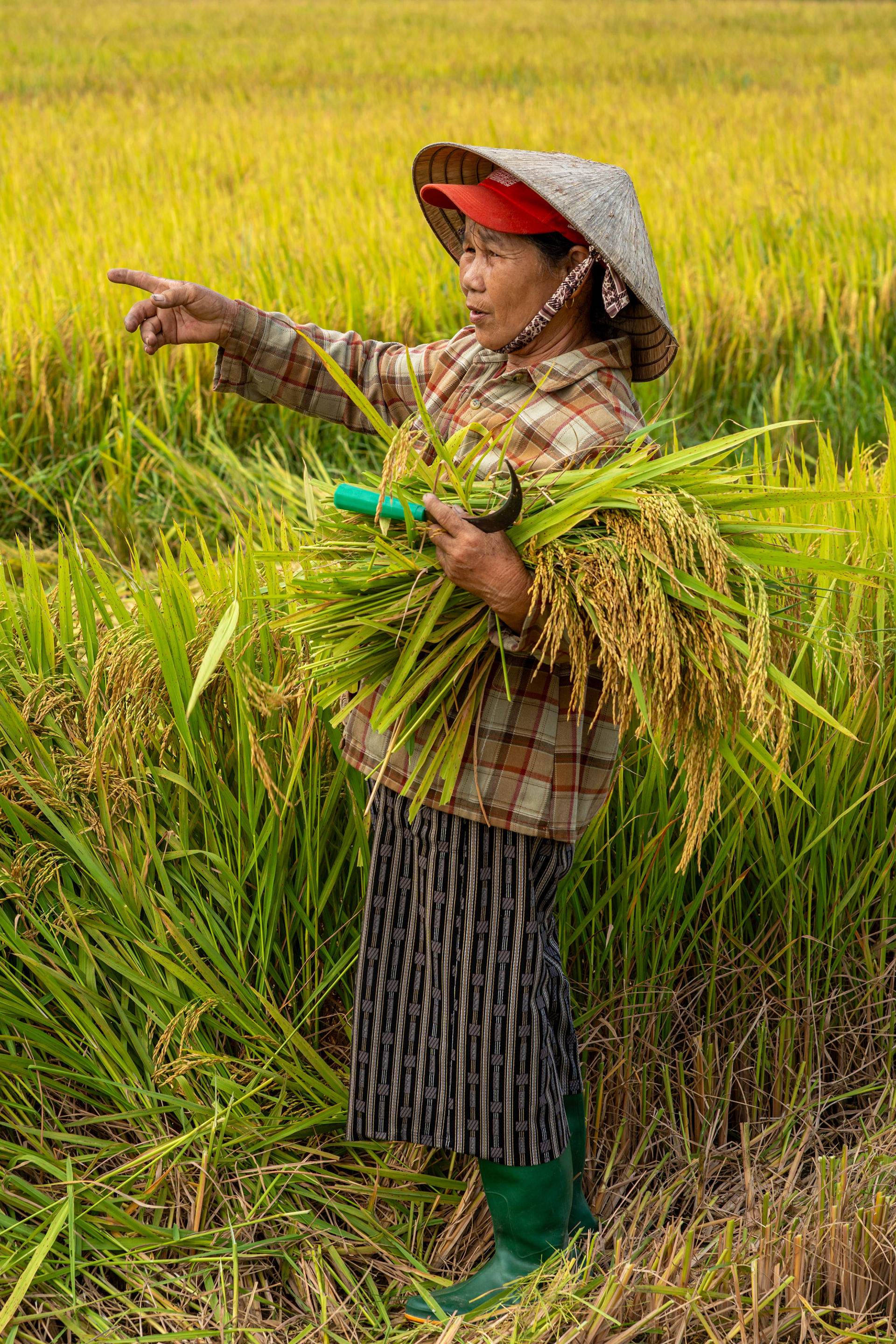
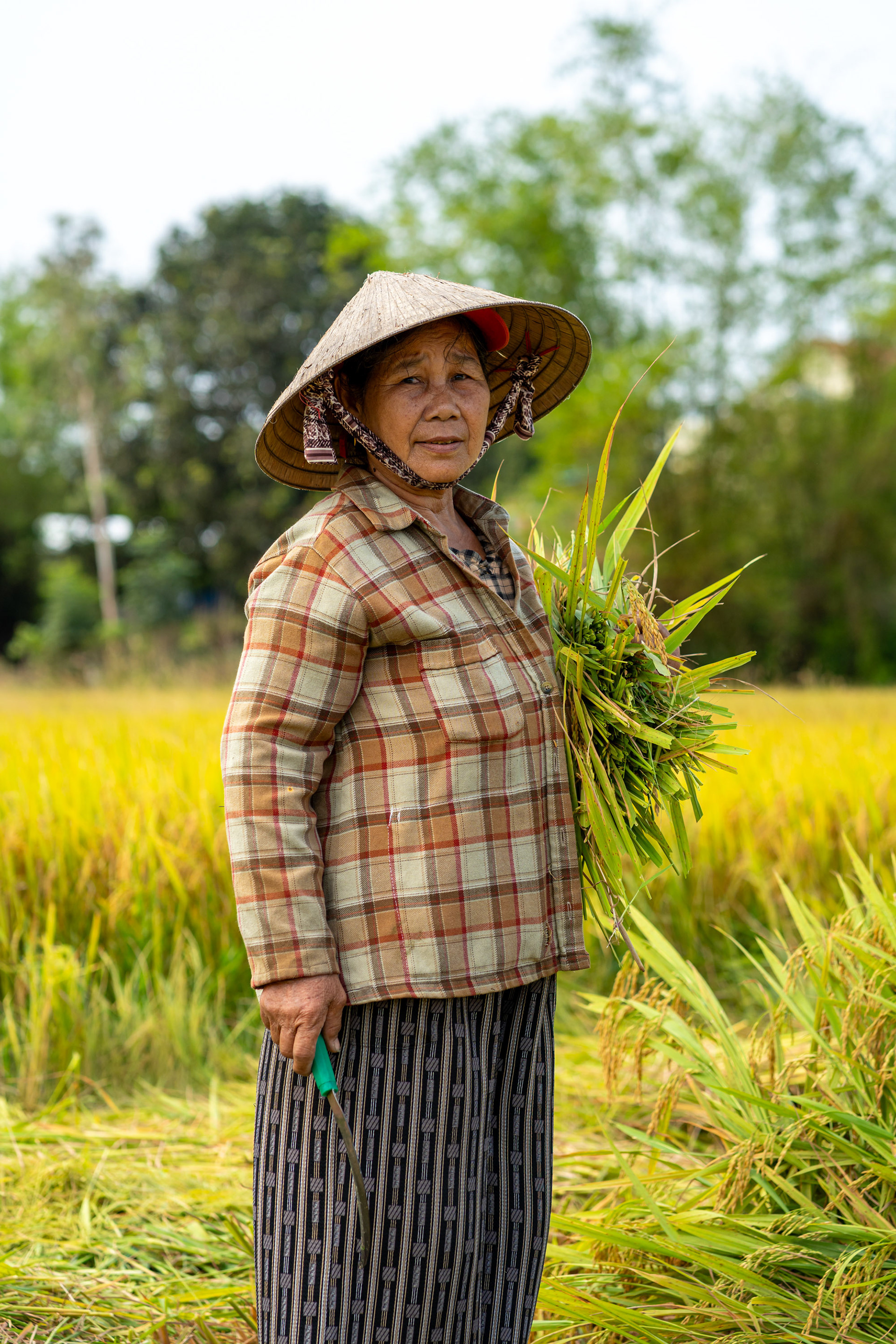
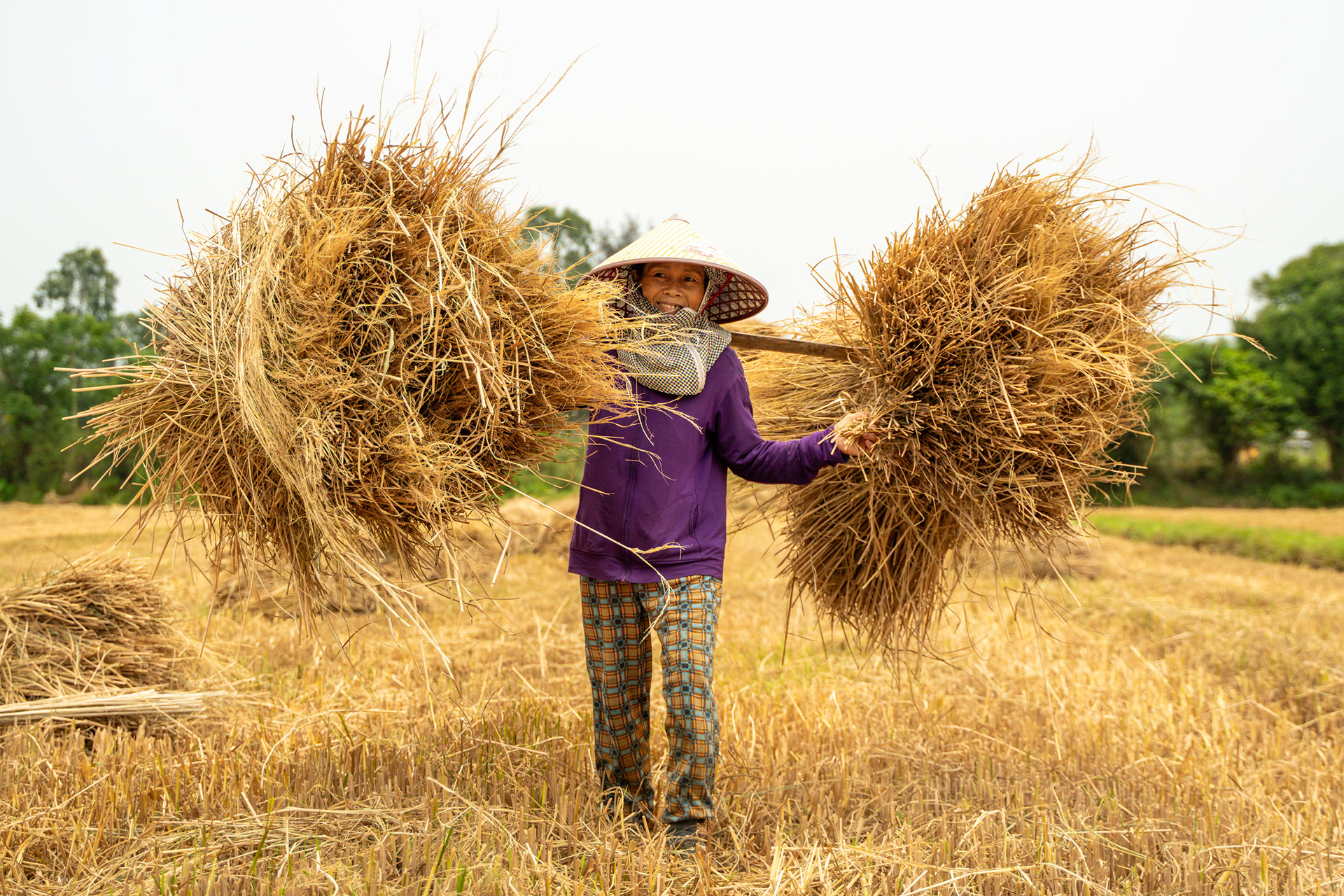
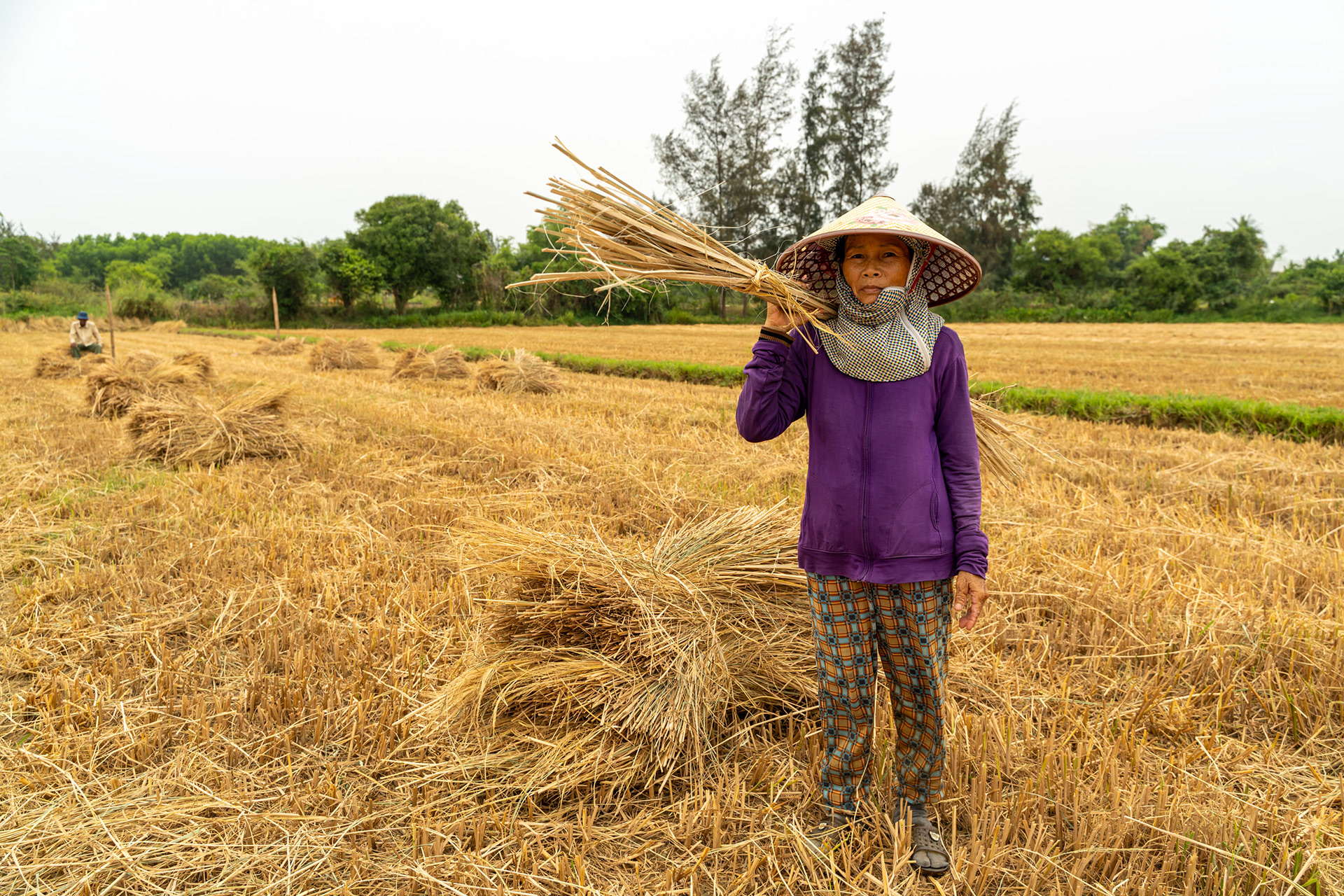
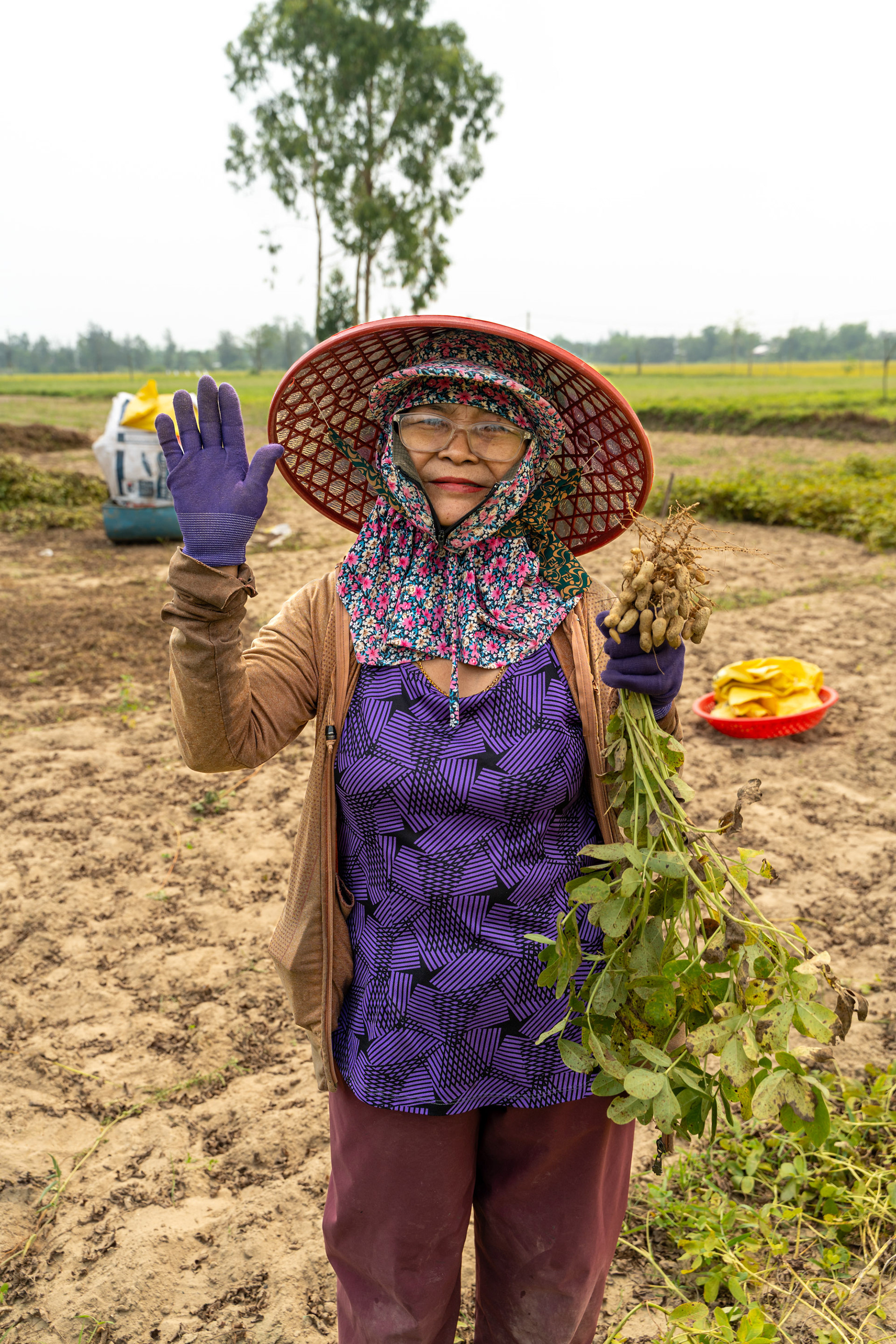
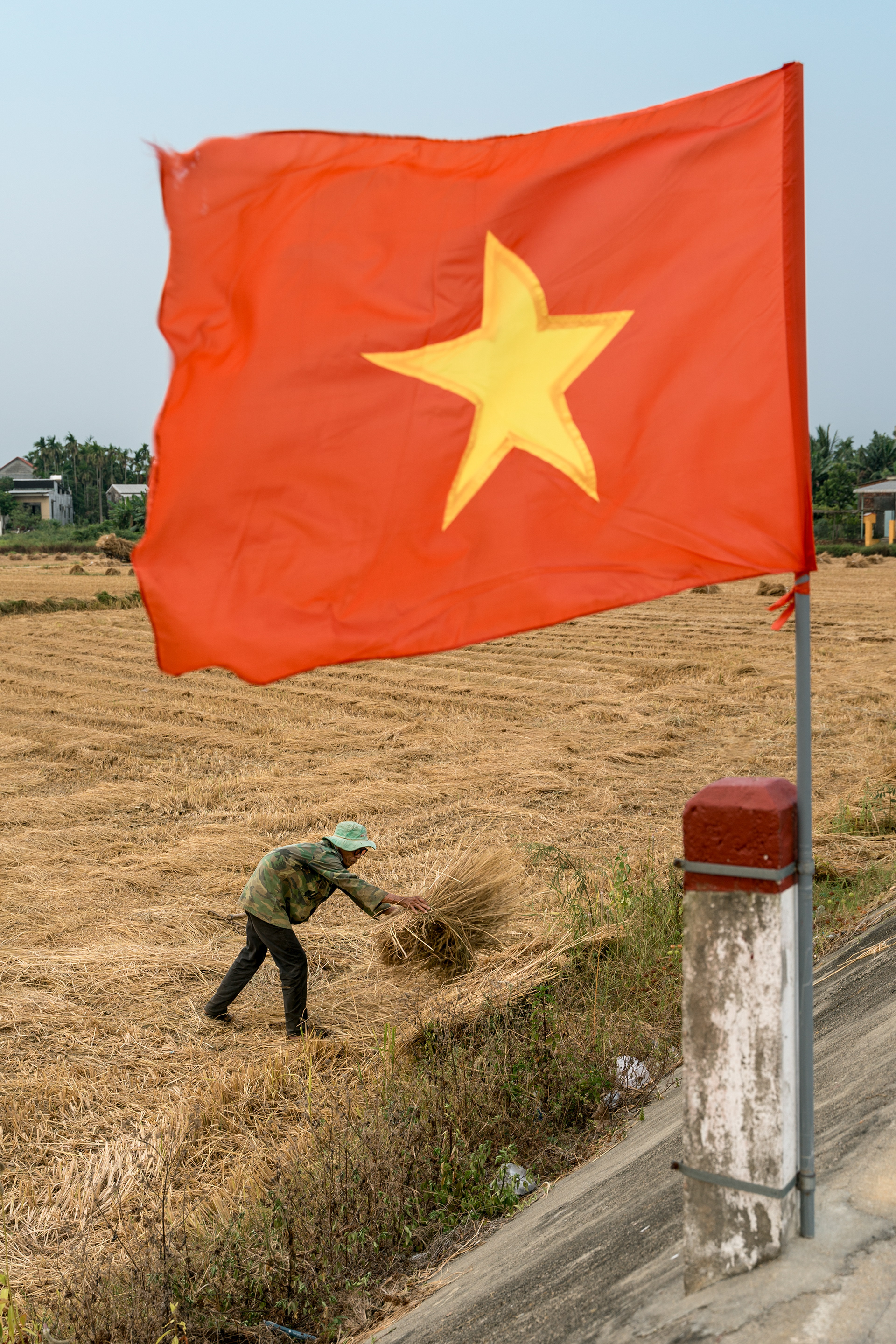
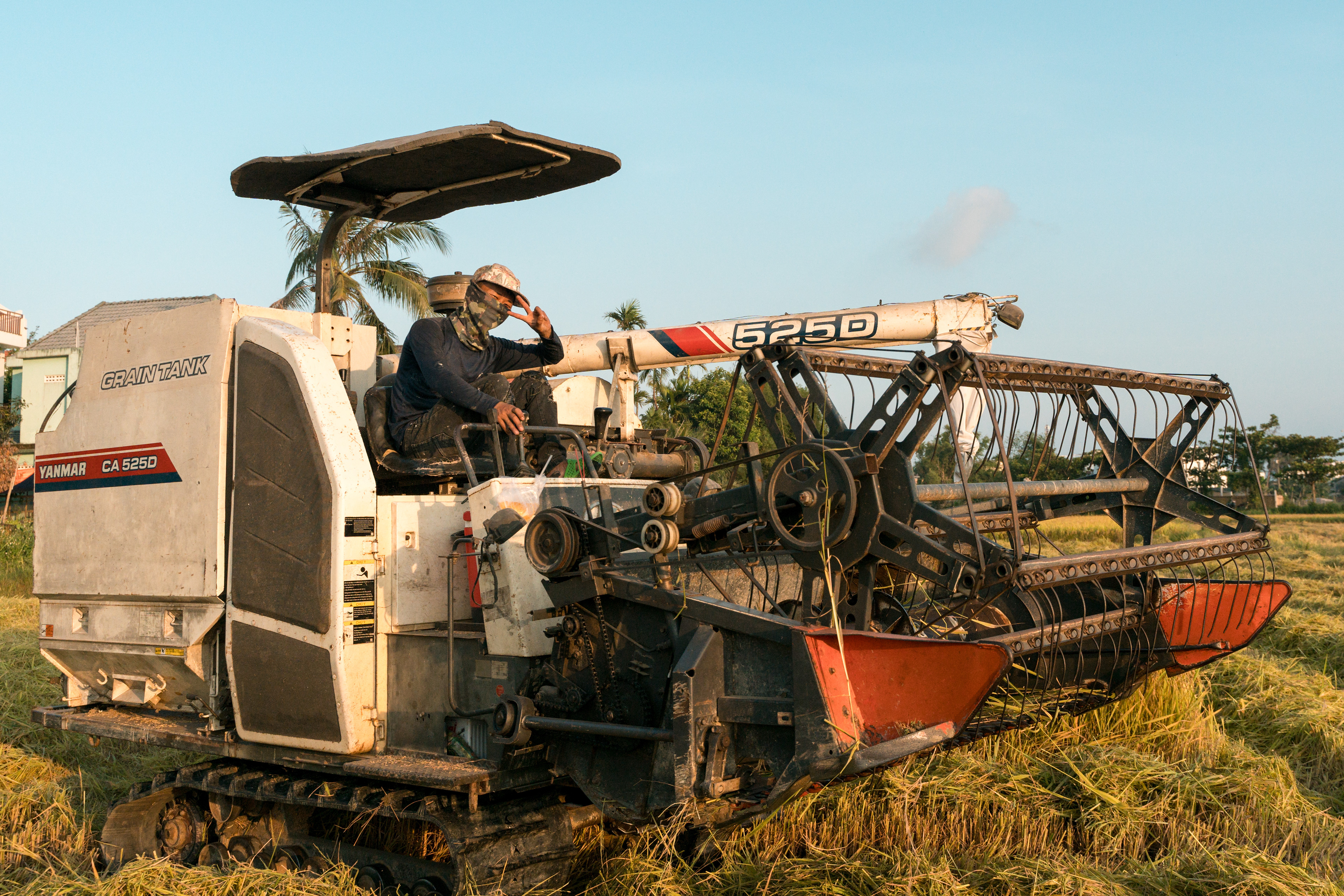
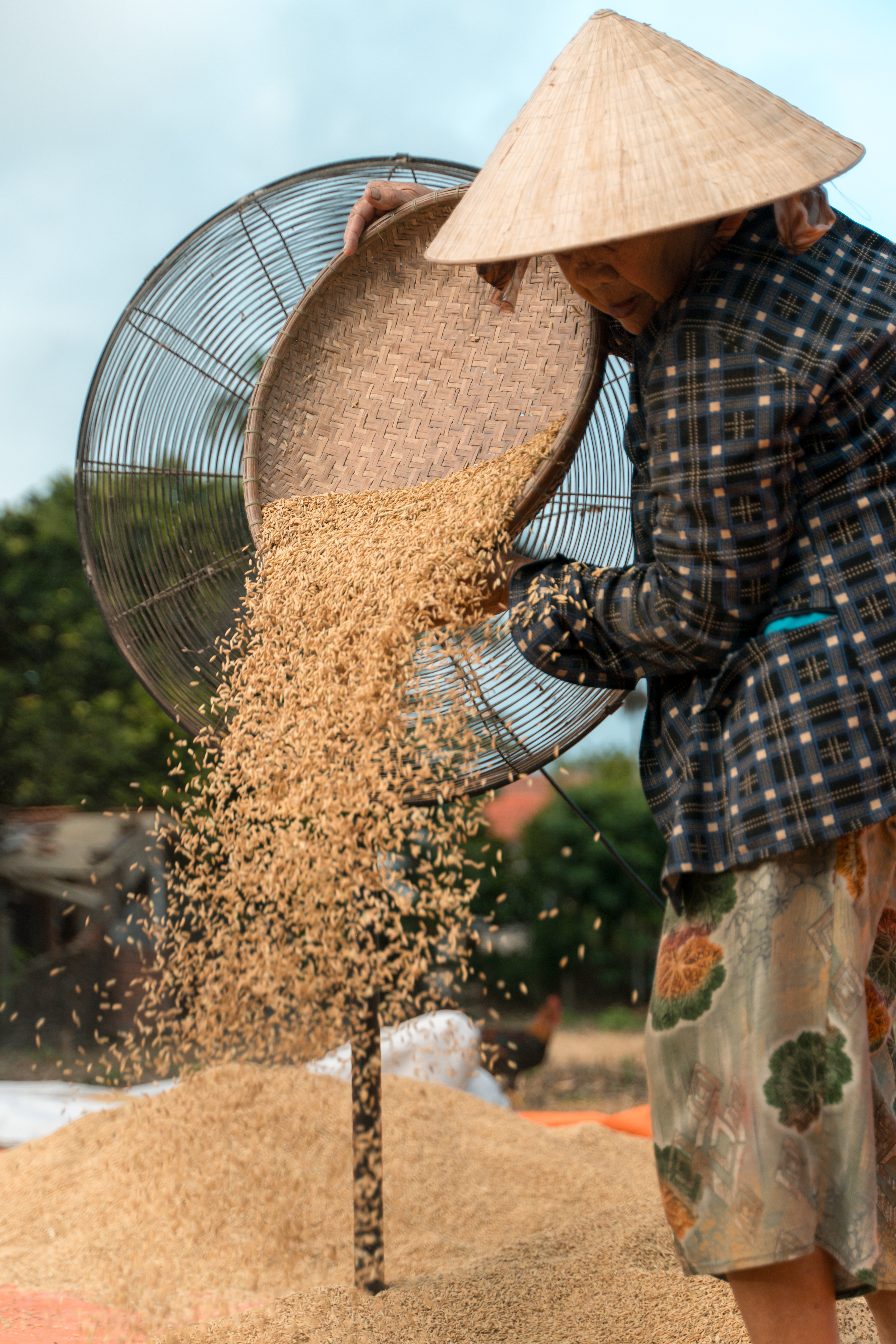
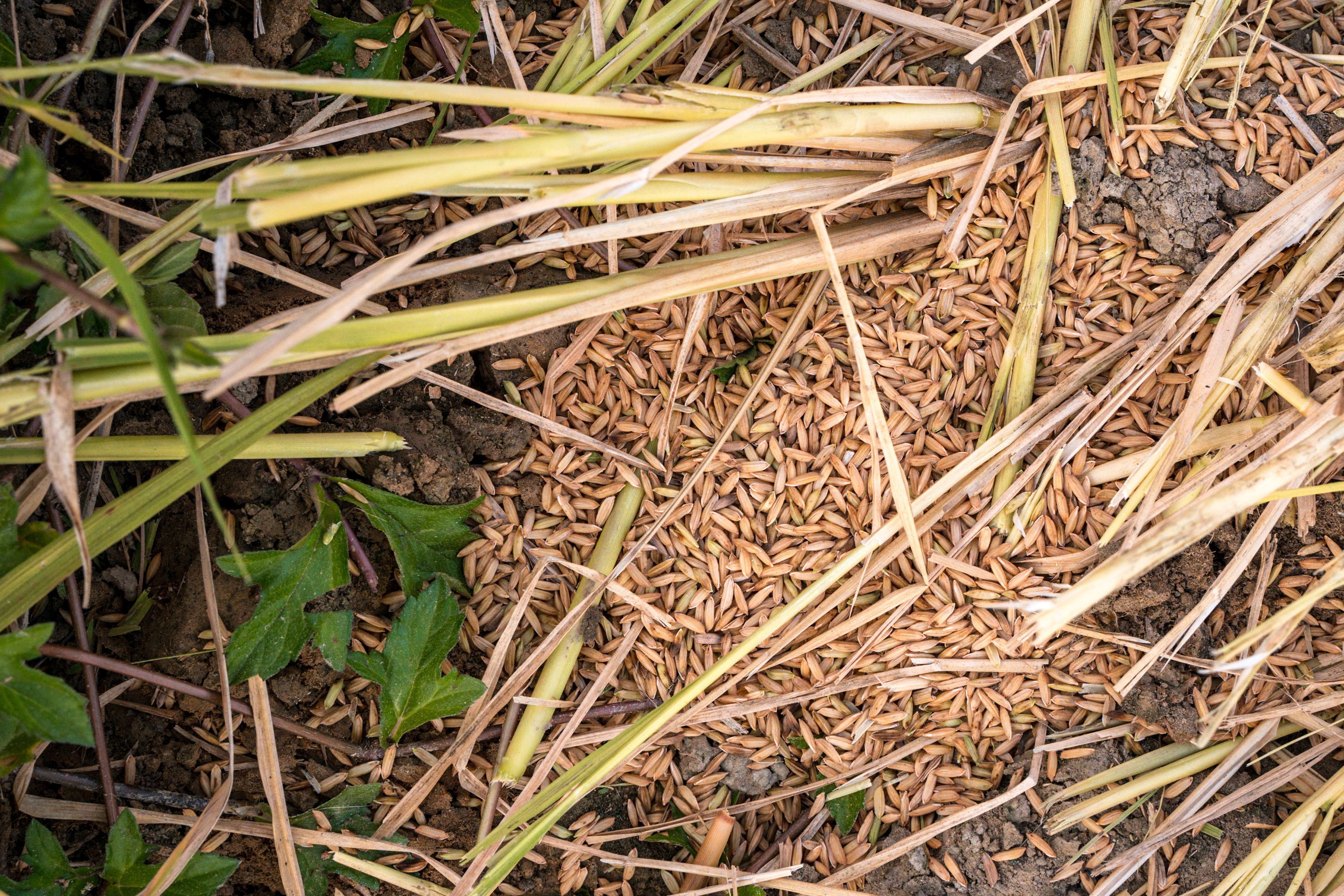
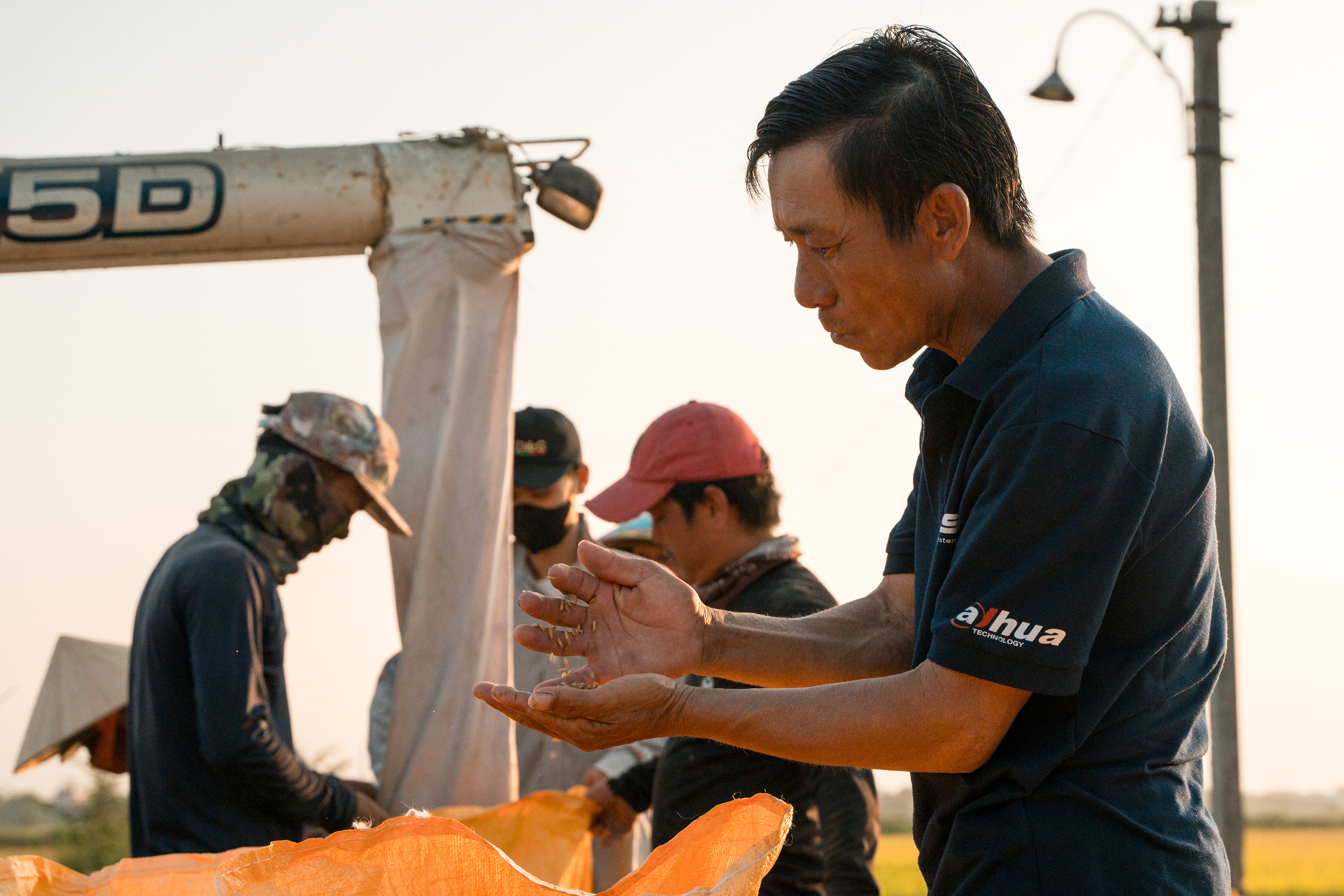
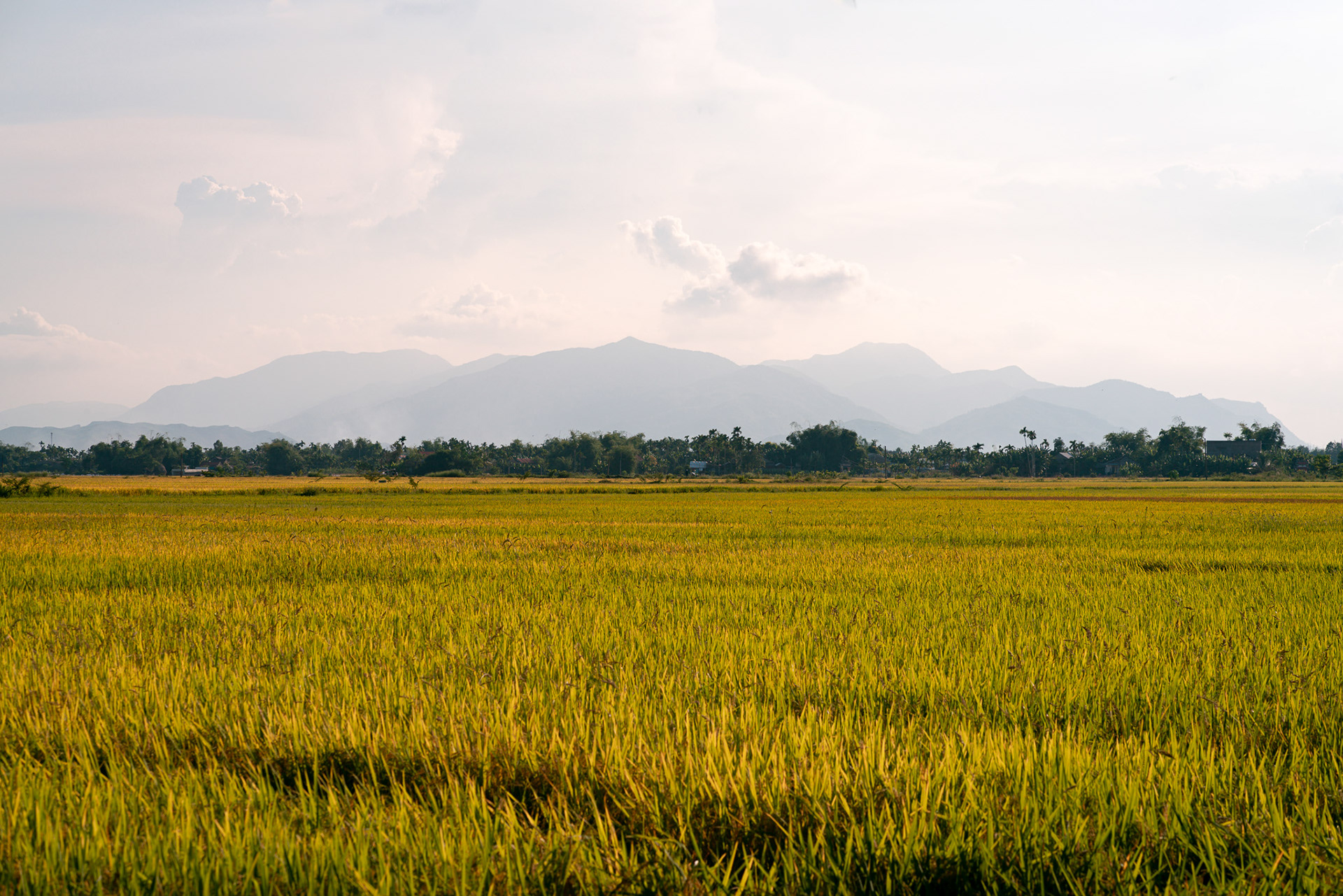
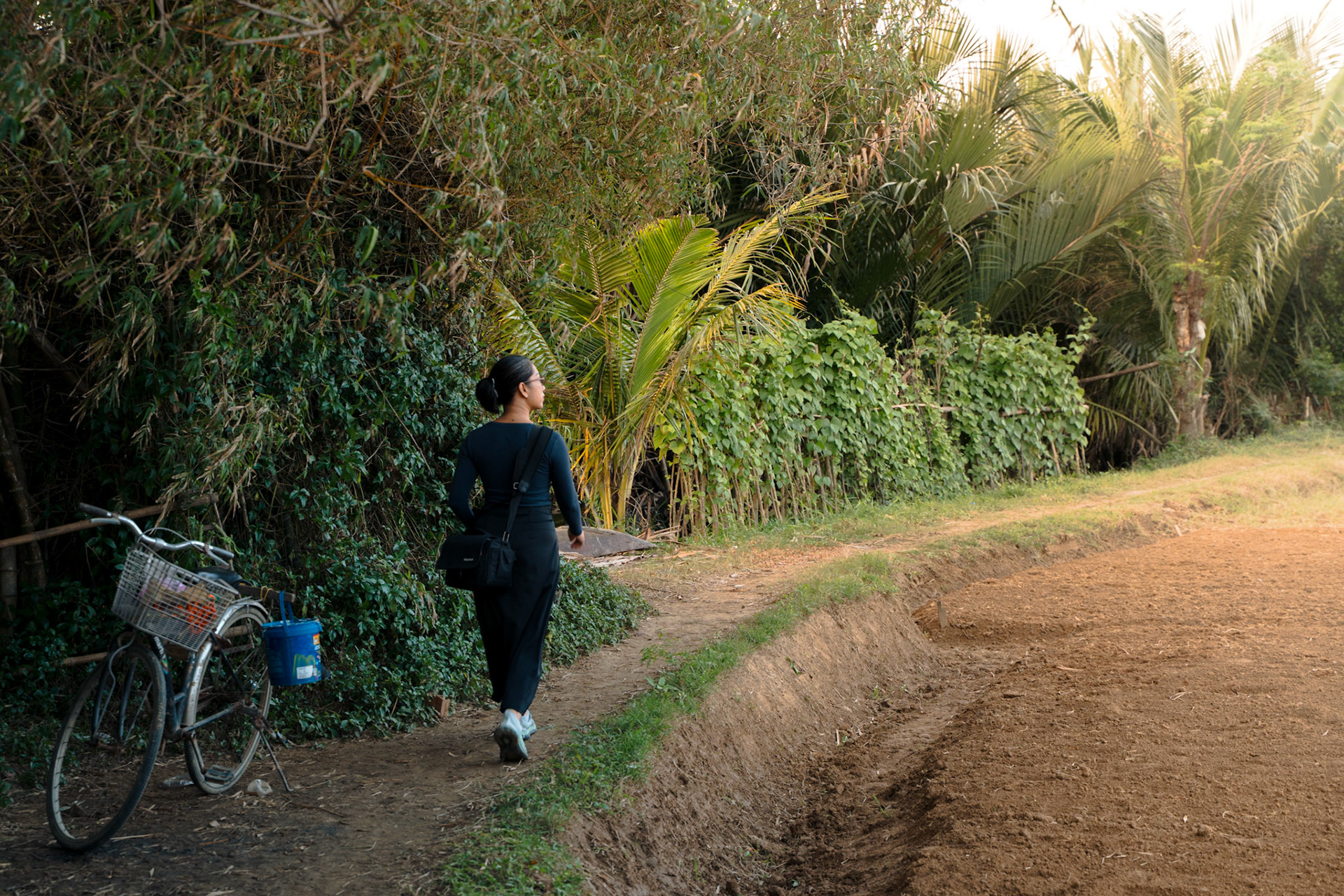
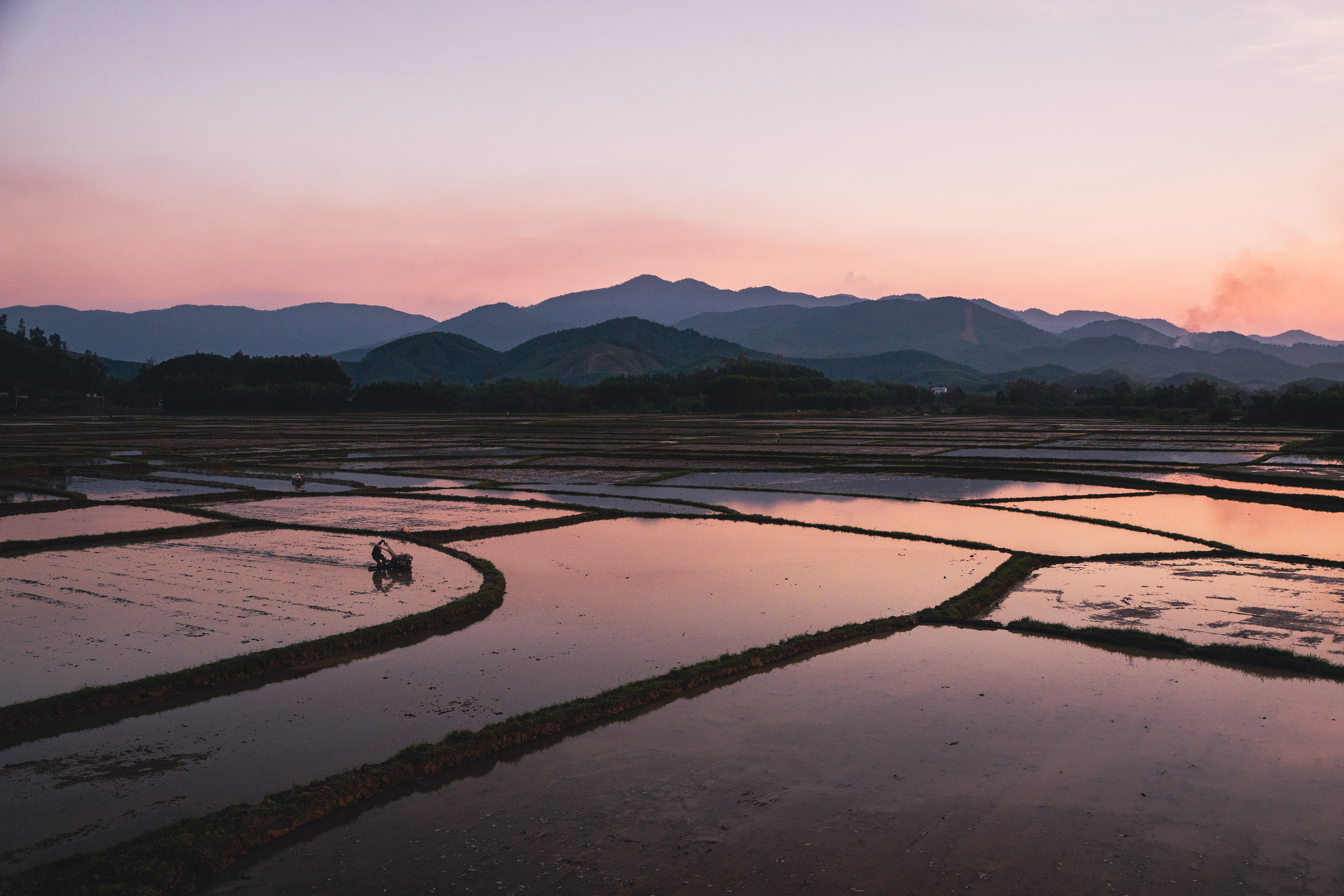
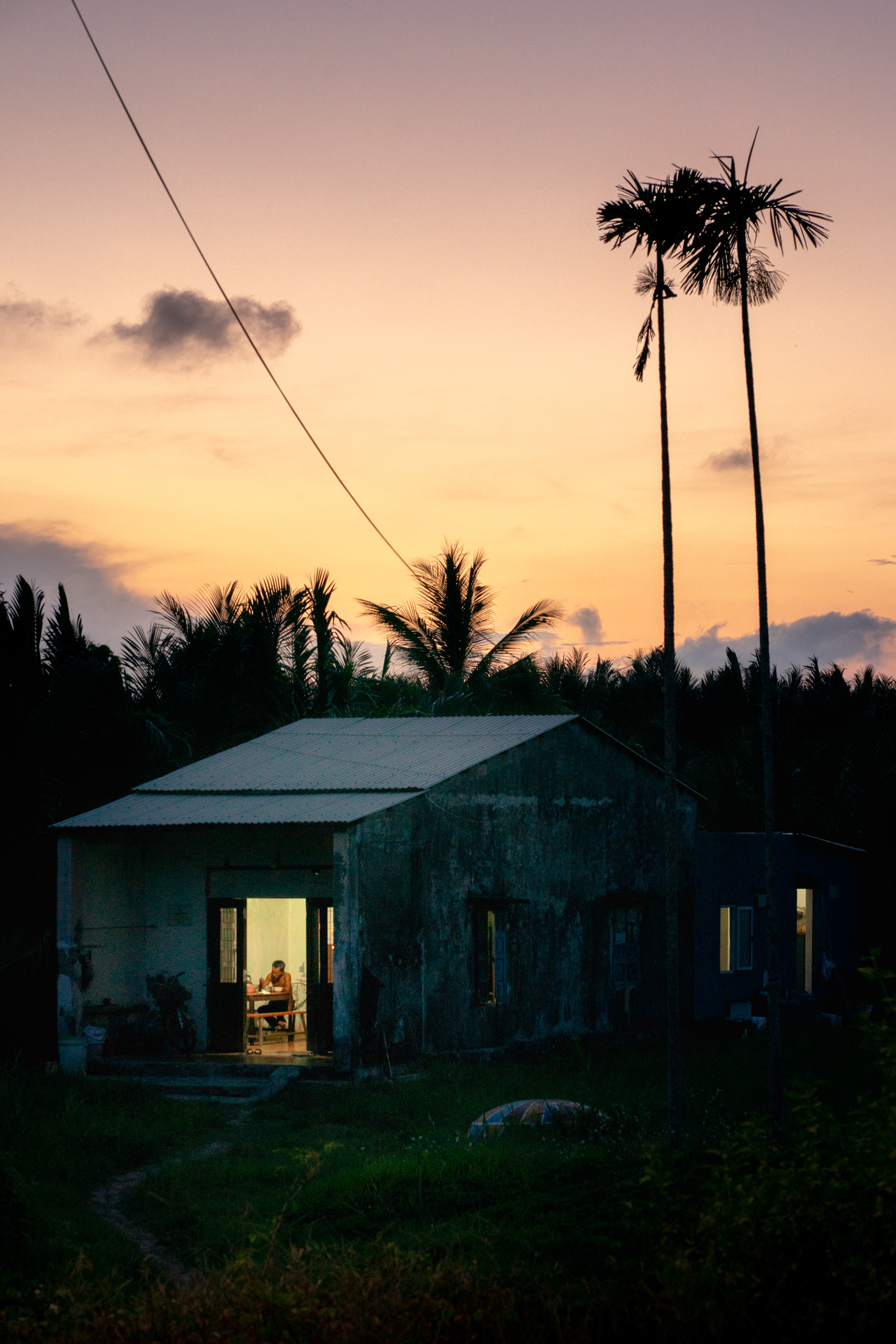
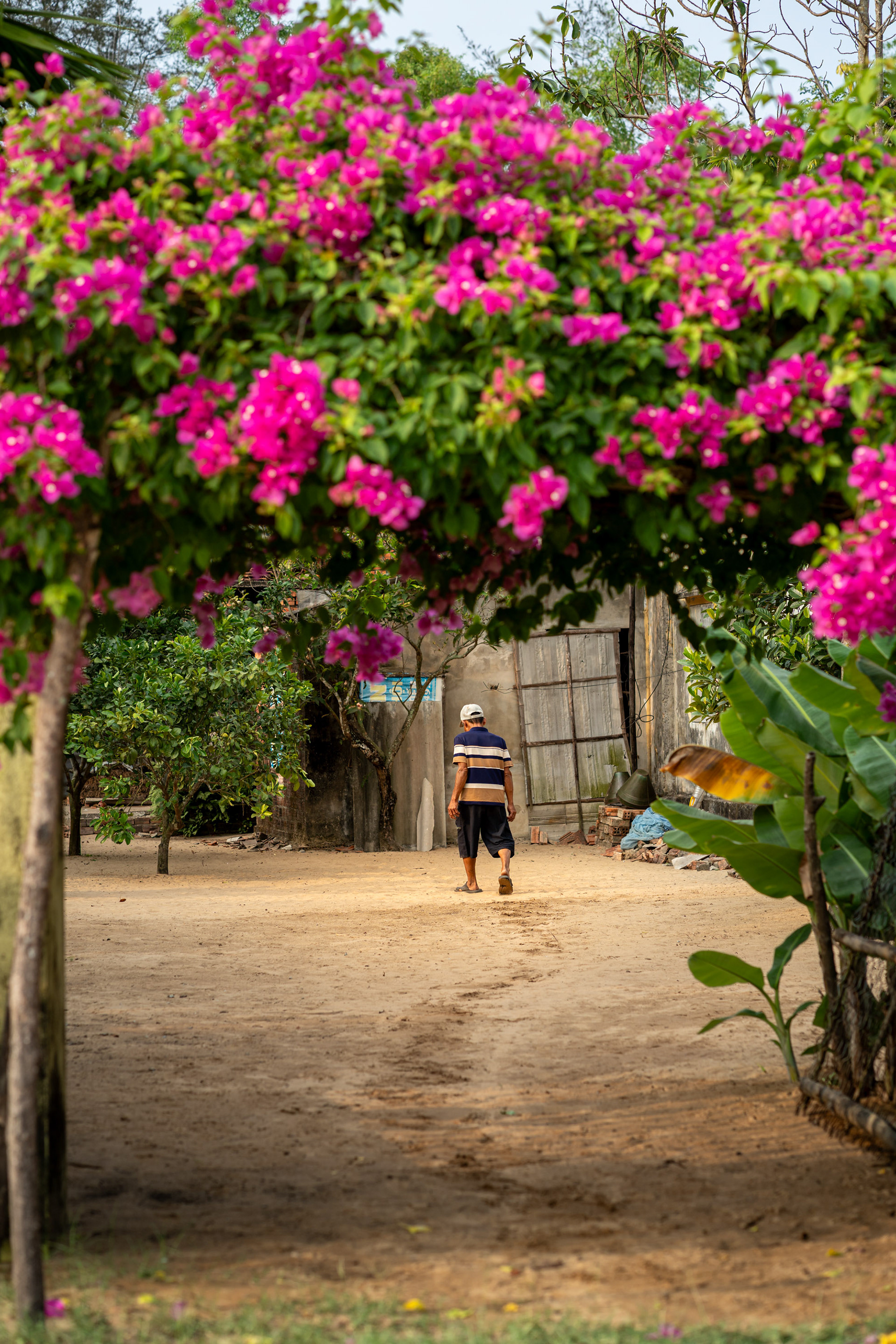
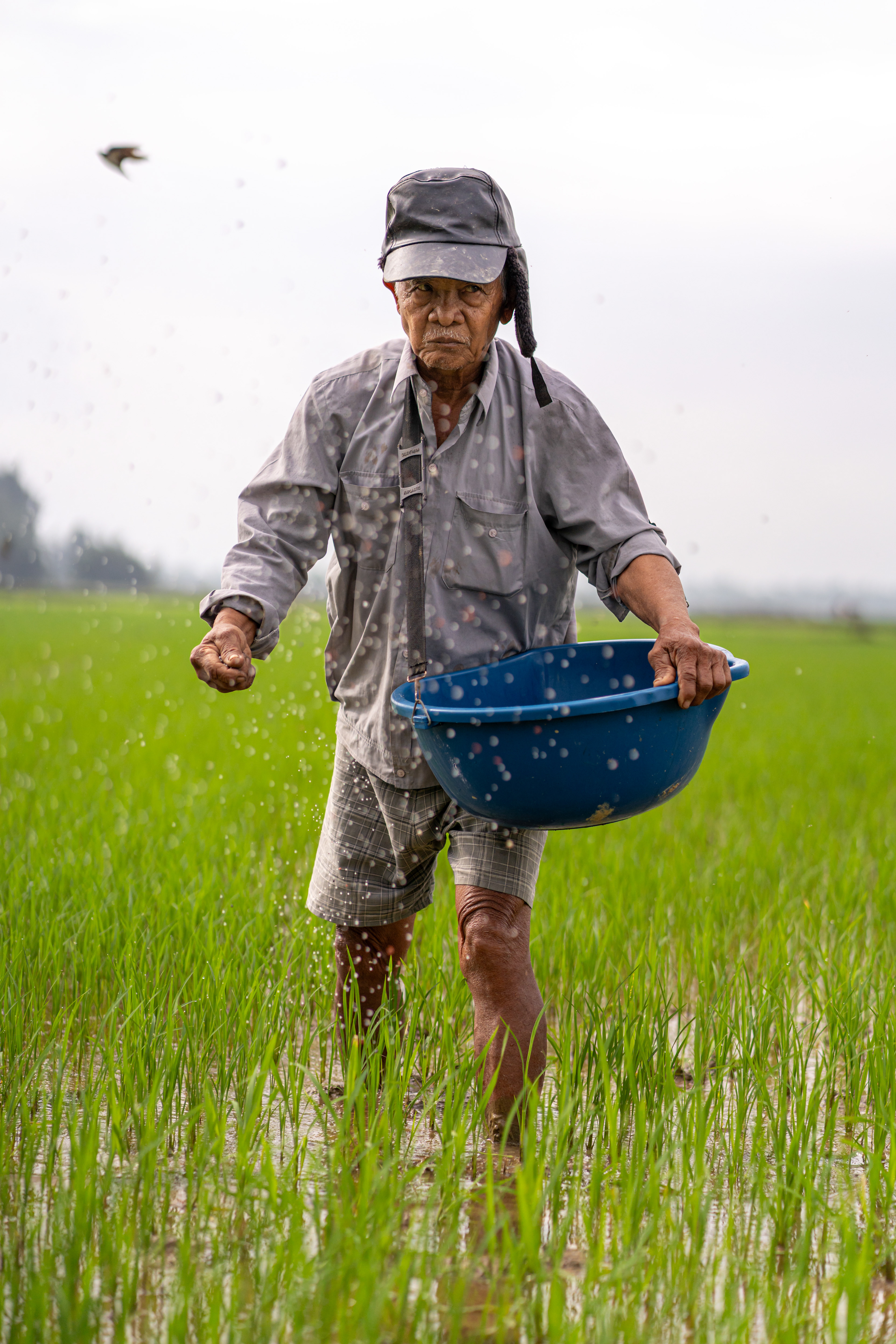
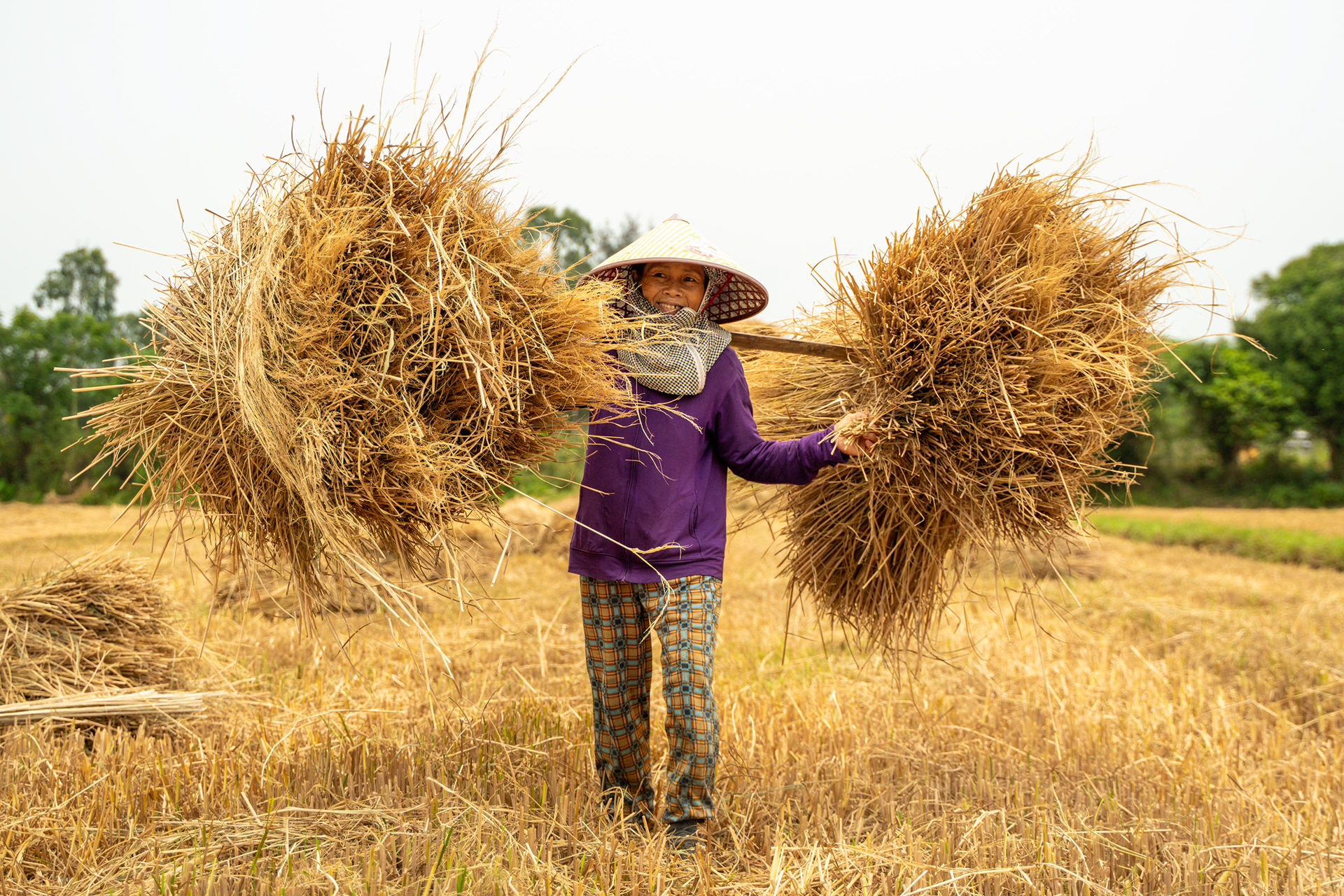
Hoi An’s old town draws most of the attention, but the fields on its edges tell a different story, one built on rice, routine, and long days in the heat. When the harvest comes, the pace of life shifts. Machines cut through the fields while others still work by hand, raking, bundling, and hauling rice the way it’s been done for generations.
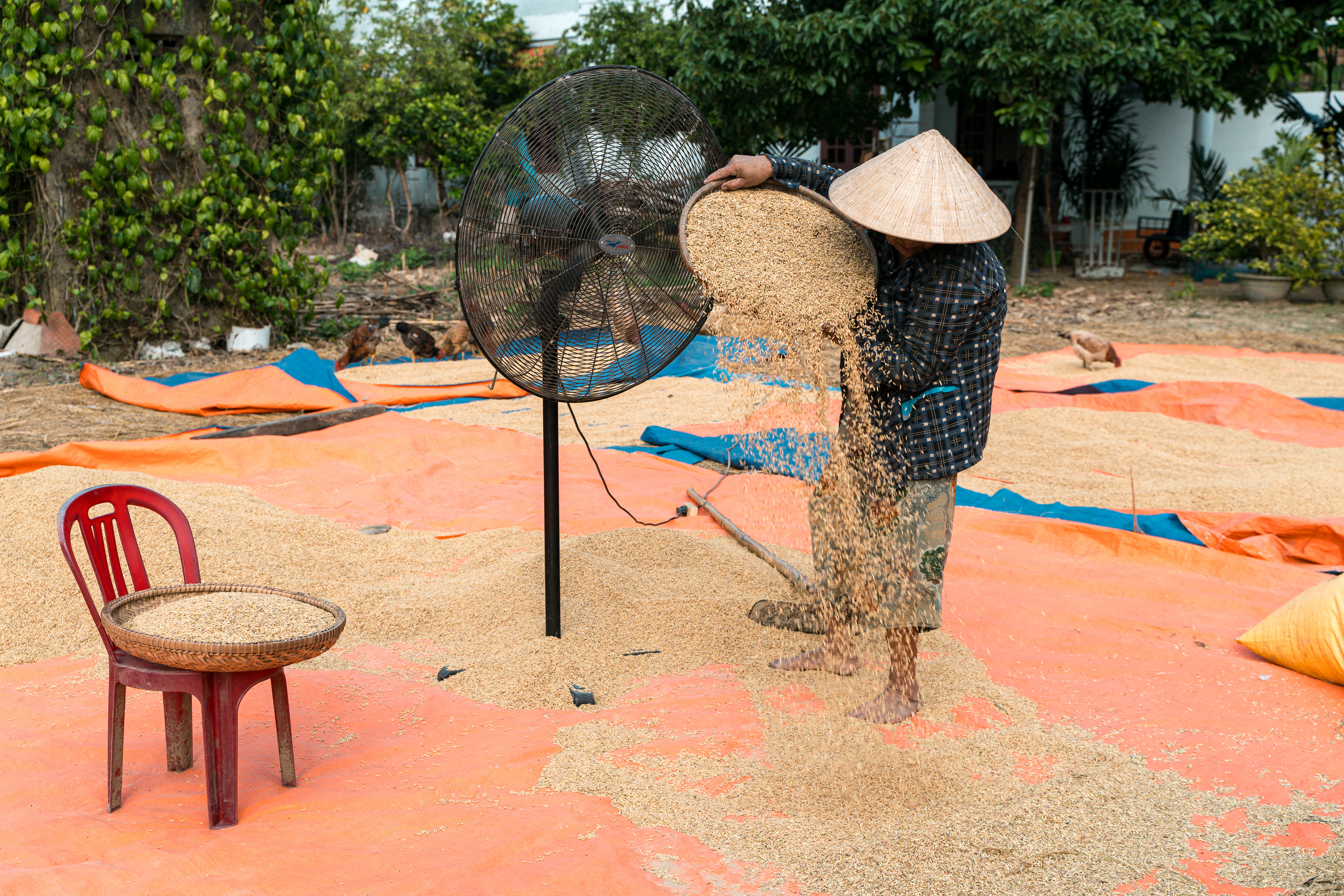
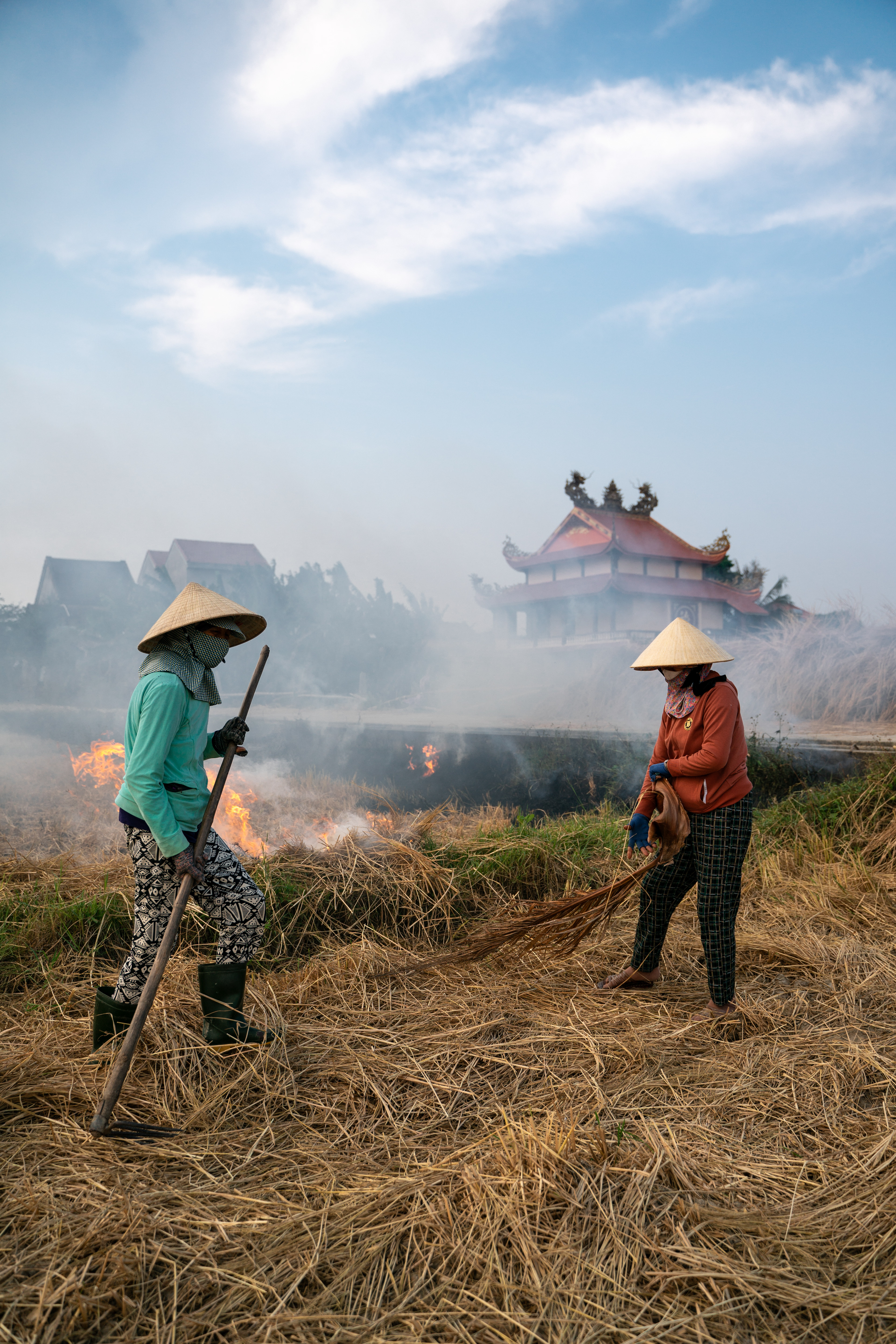
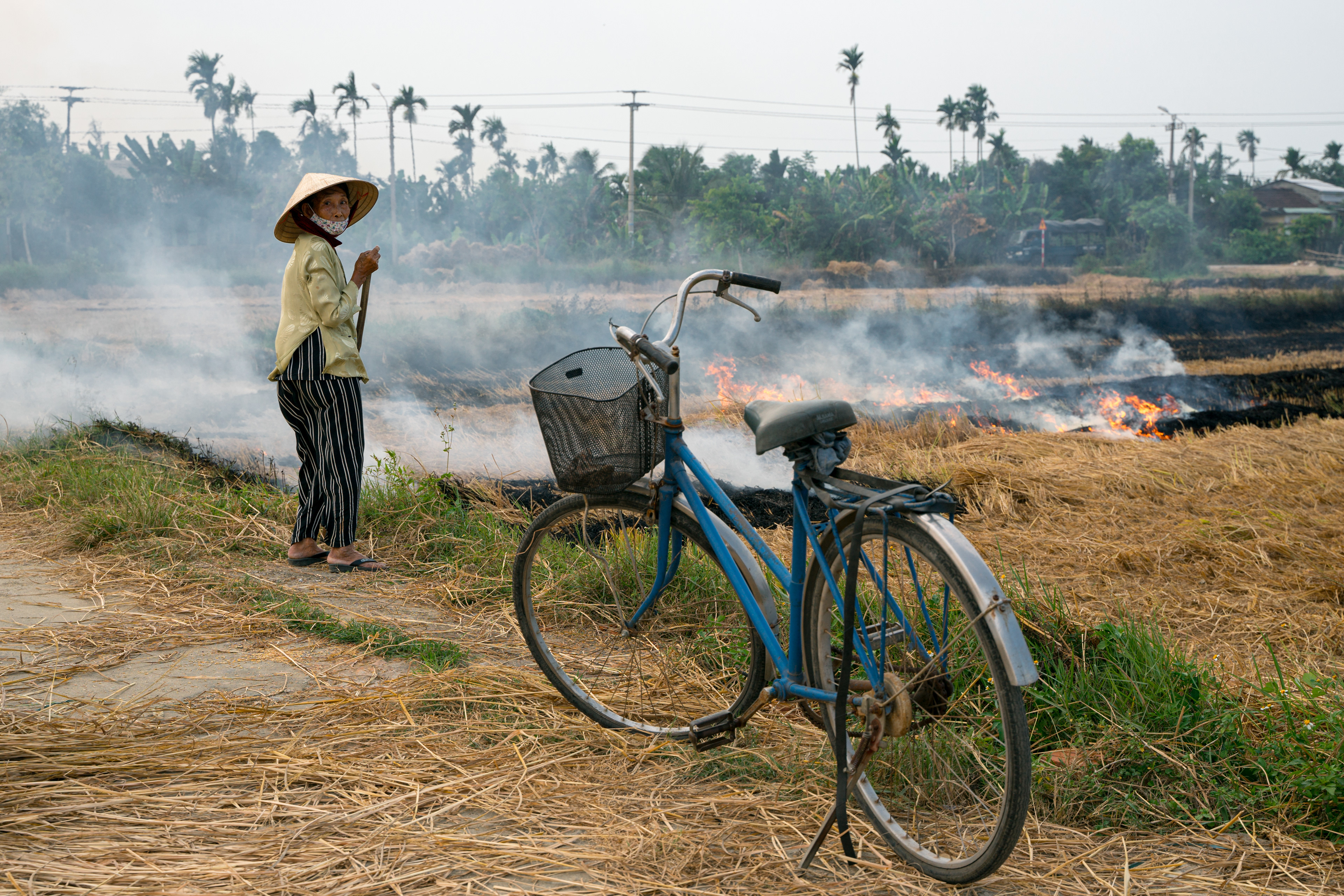
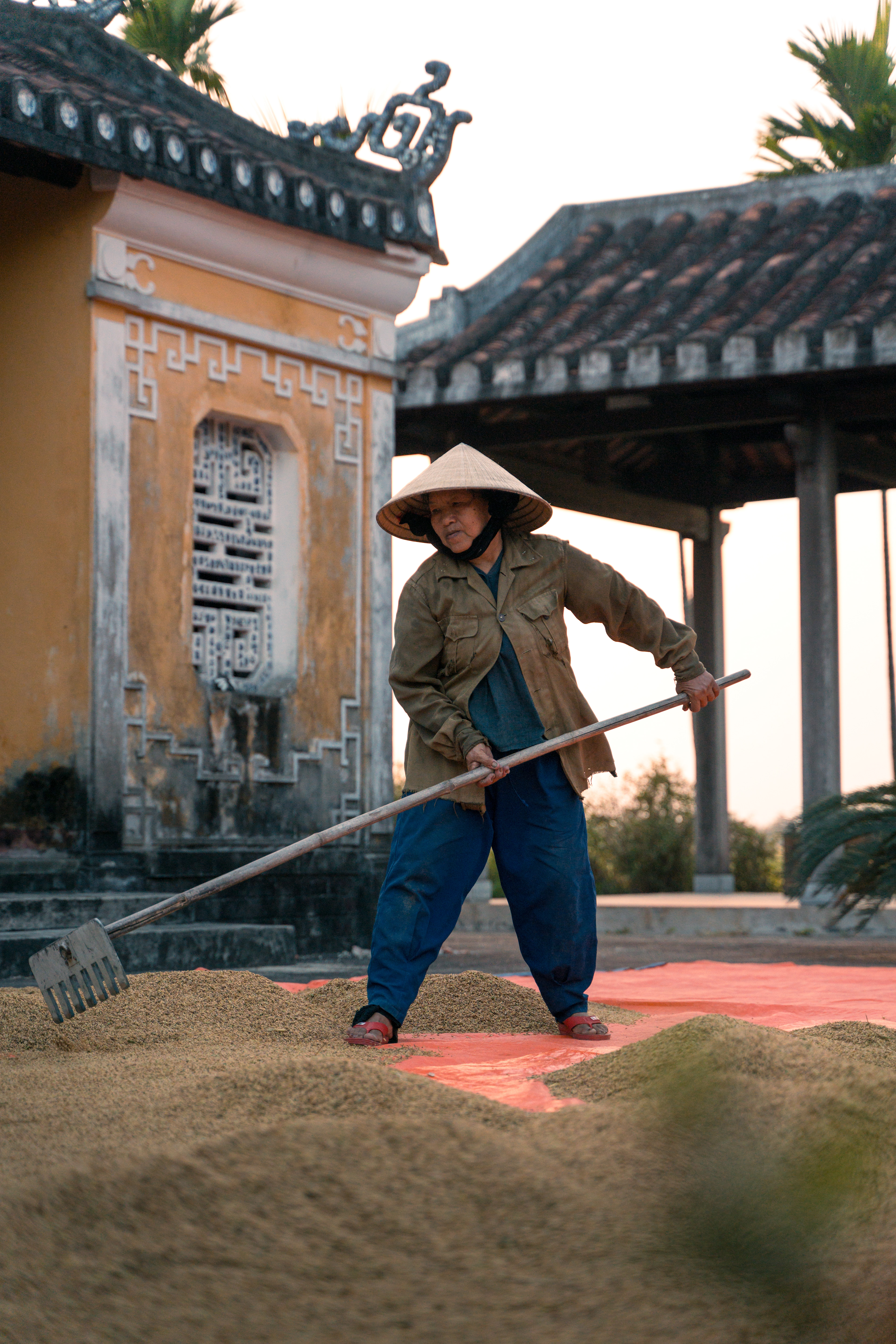
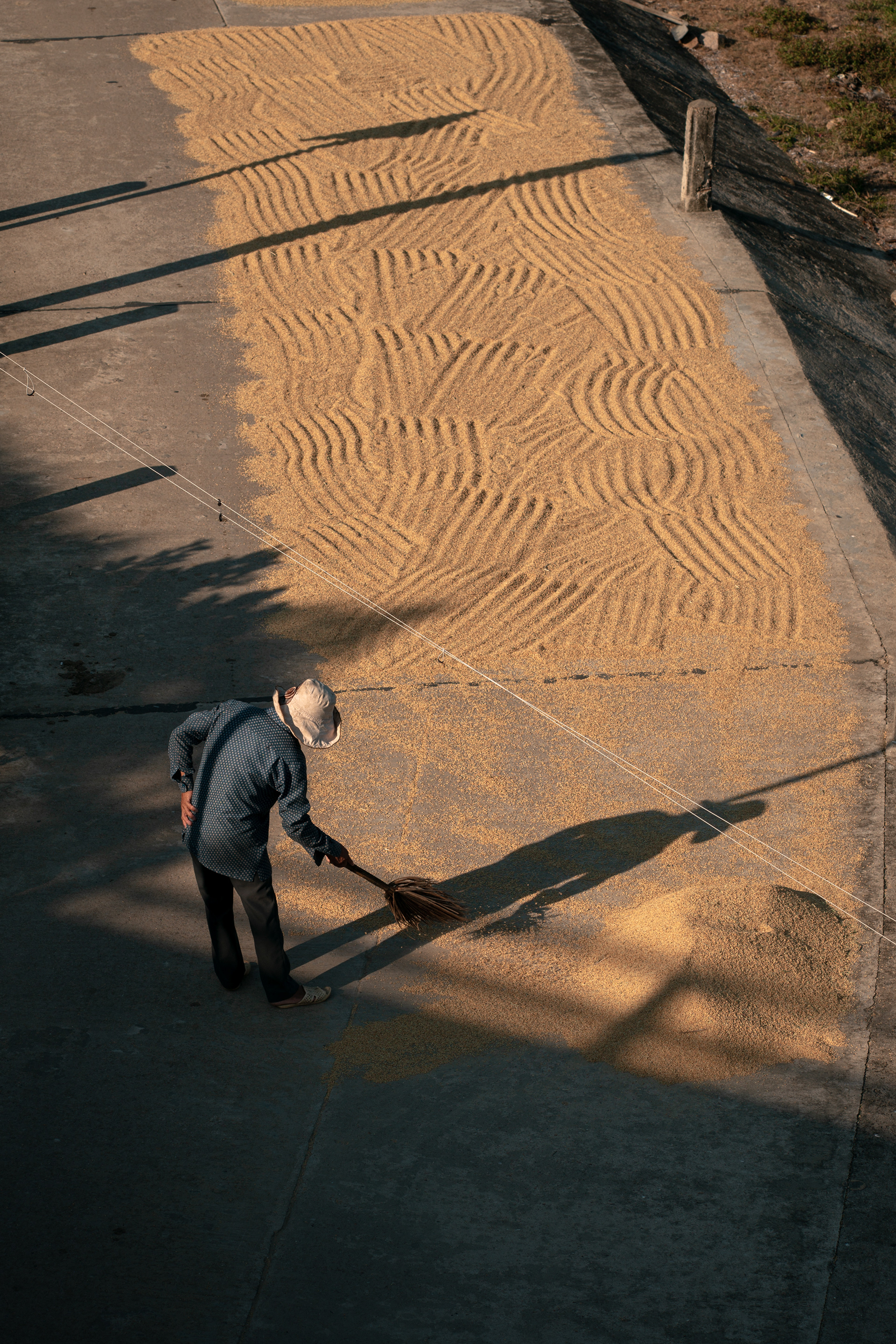
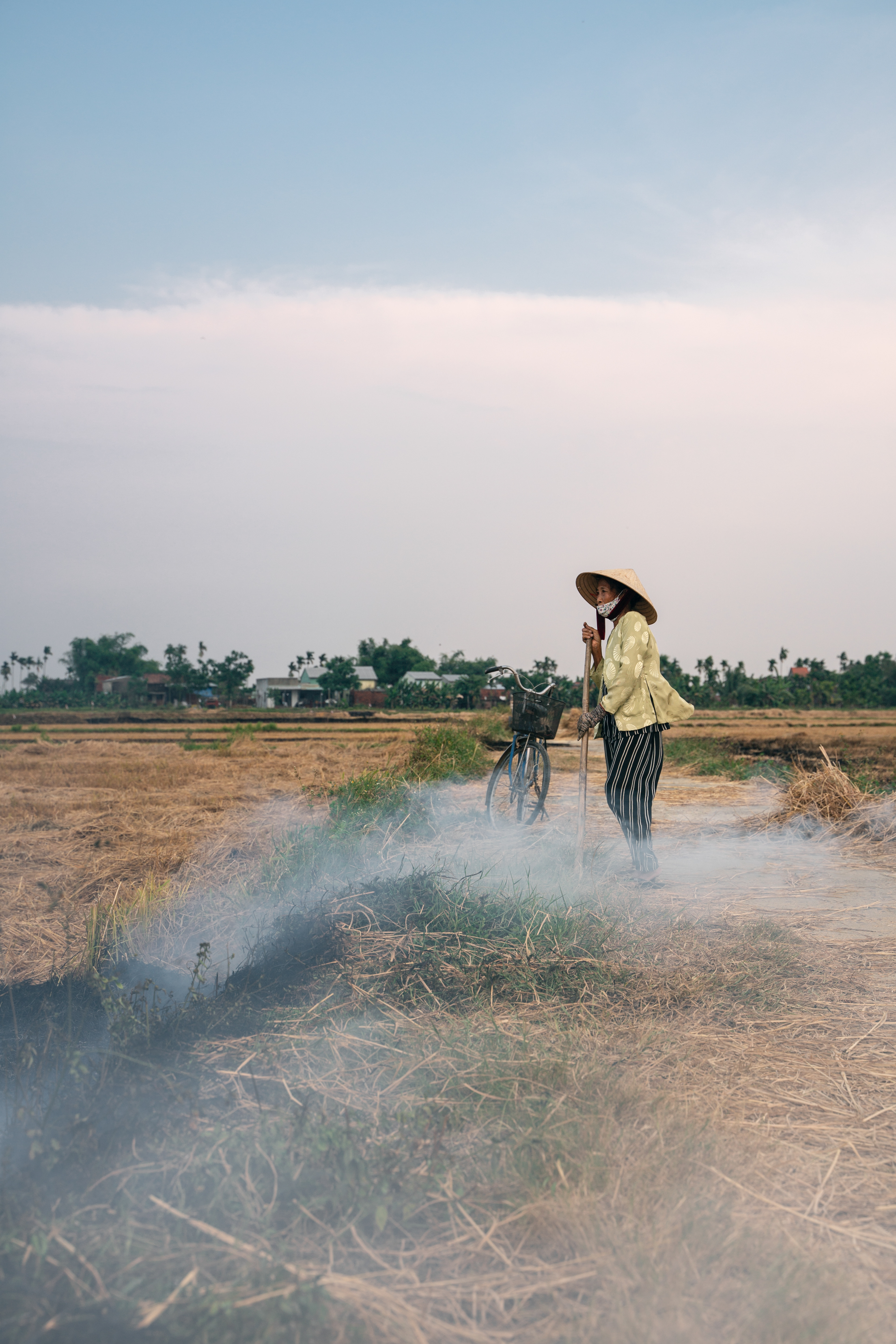
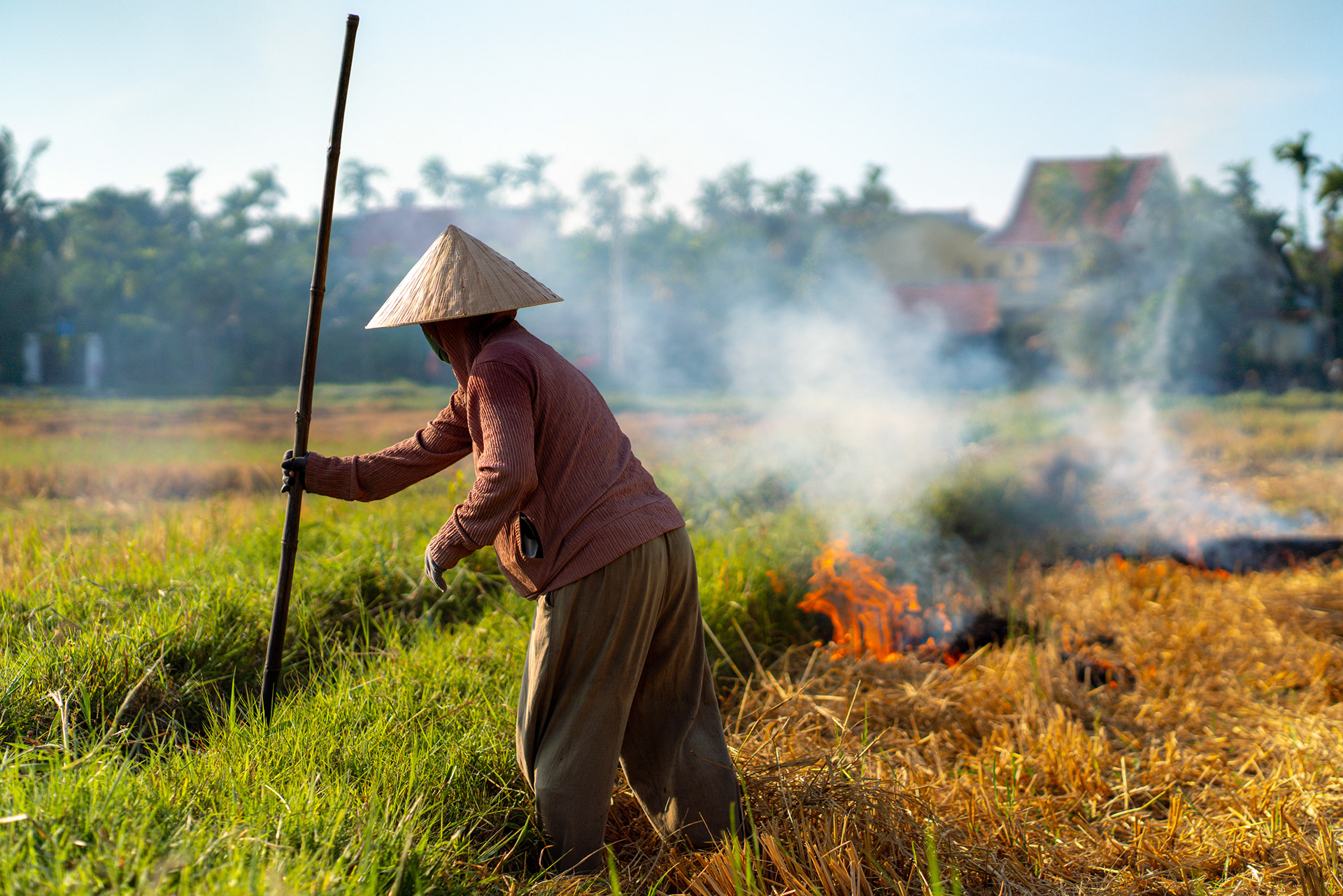
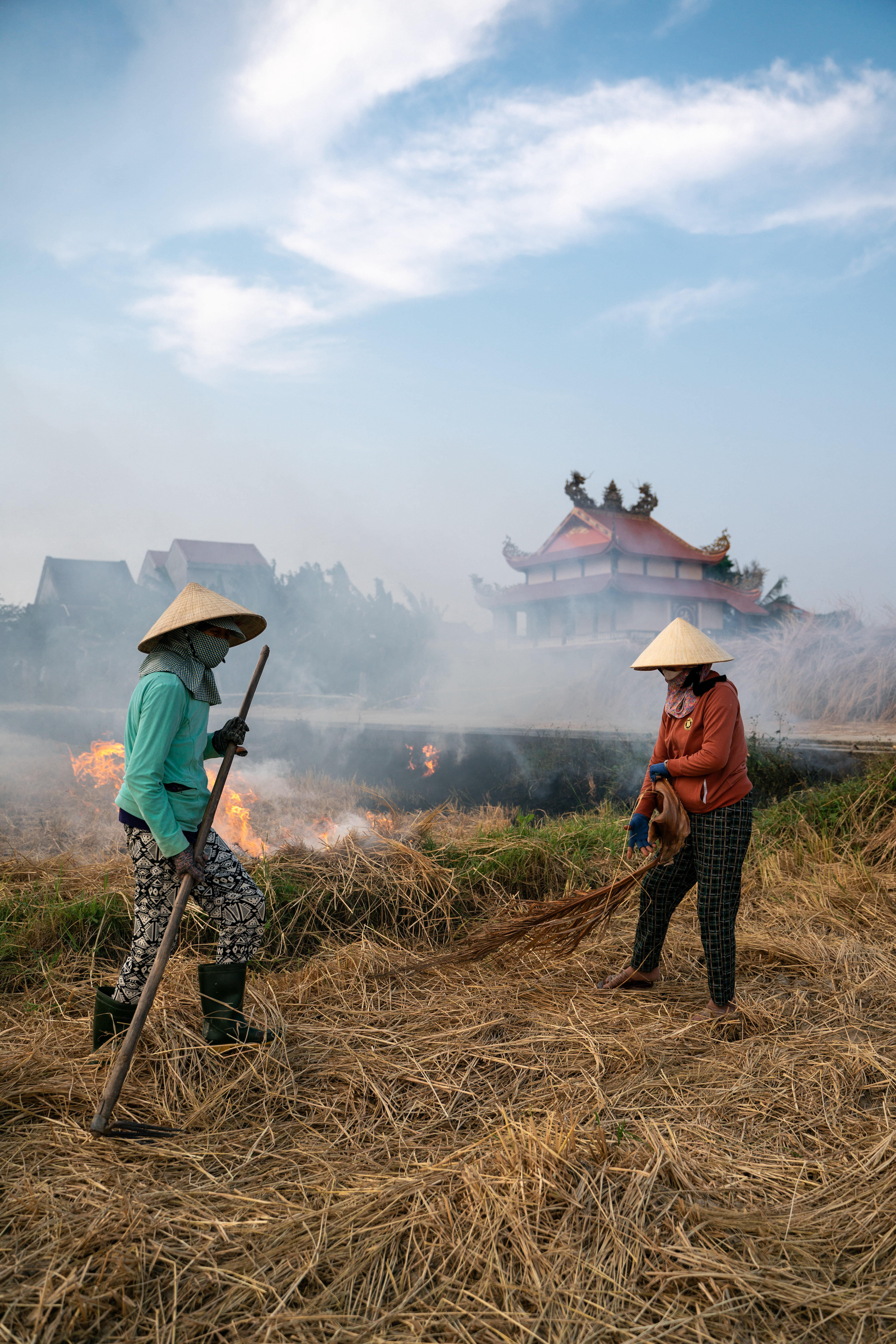
Drying rice spreads across the concrete lanes and courtyard floors, forming neat lines under the afternoon light. Smoke rises from controlled burns as the leftover stalks are cleared, drifting across the paddies and catching on the breeze that pushes in from the river. Workers move through it without pause, their faces covered against the ash and sun.


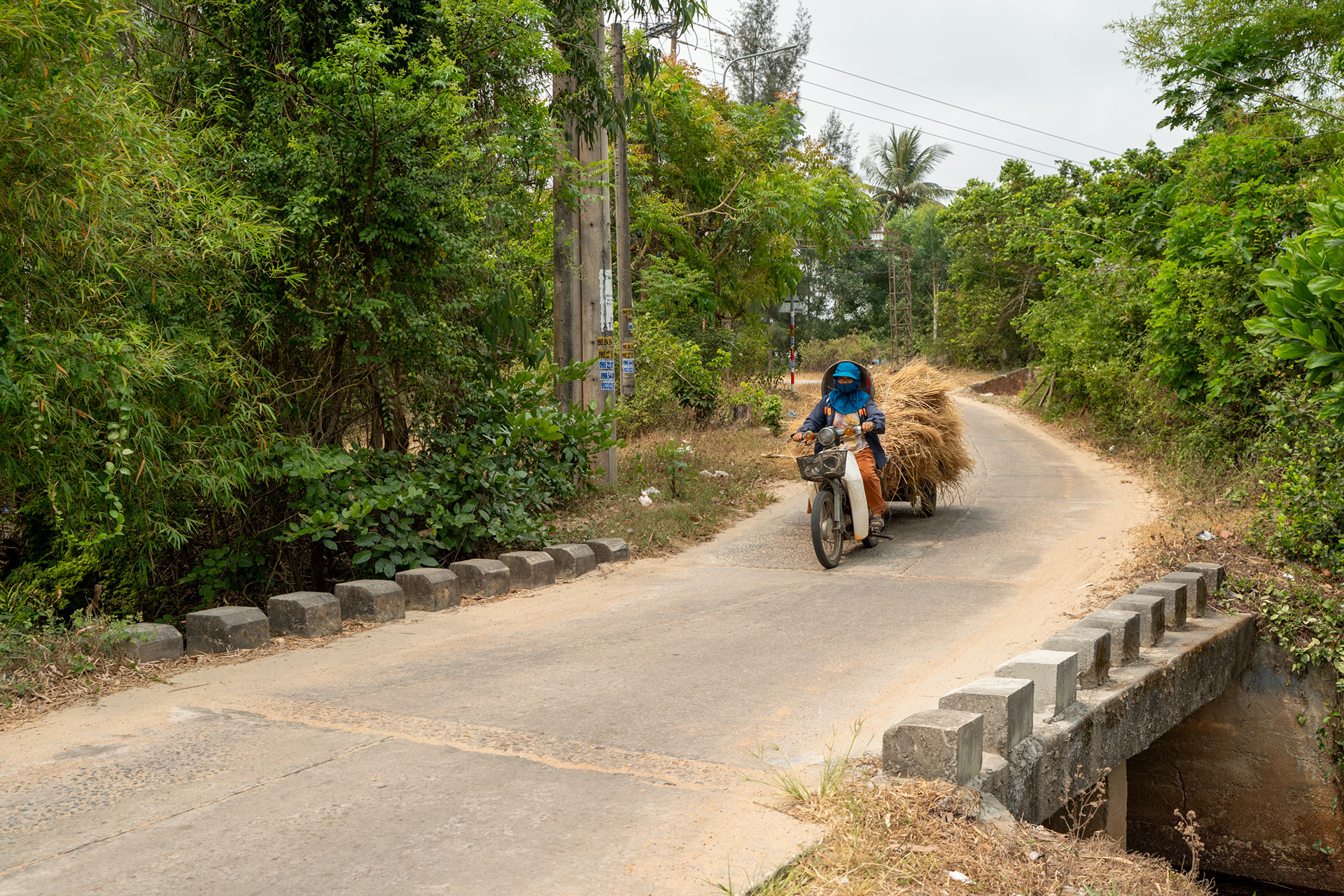
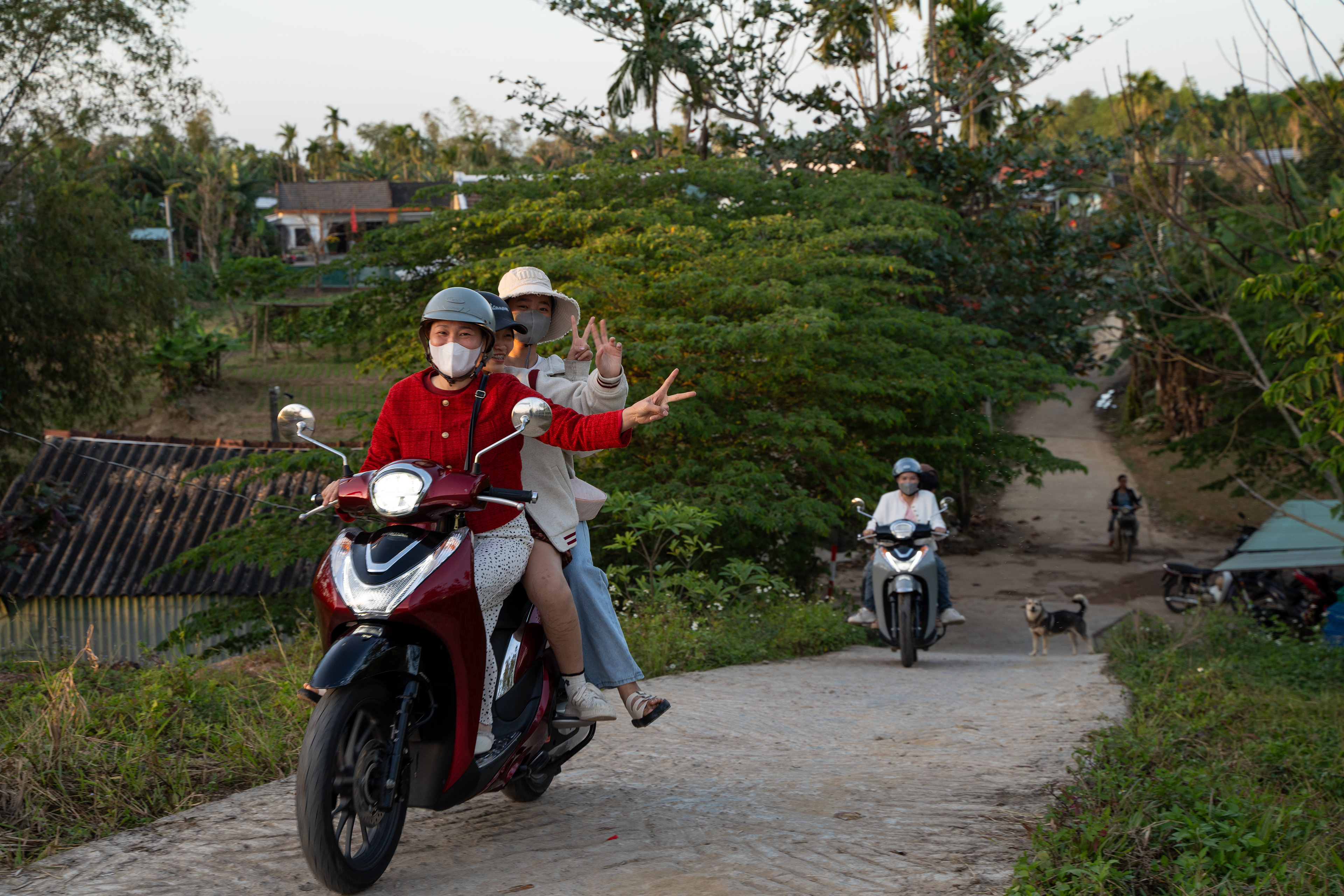
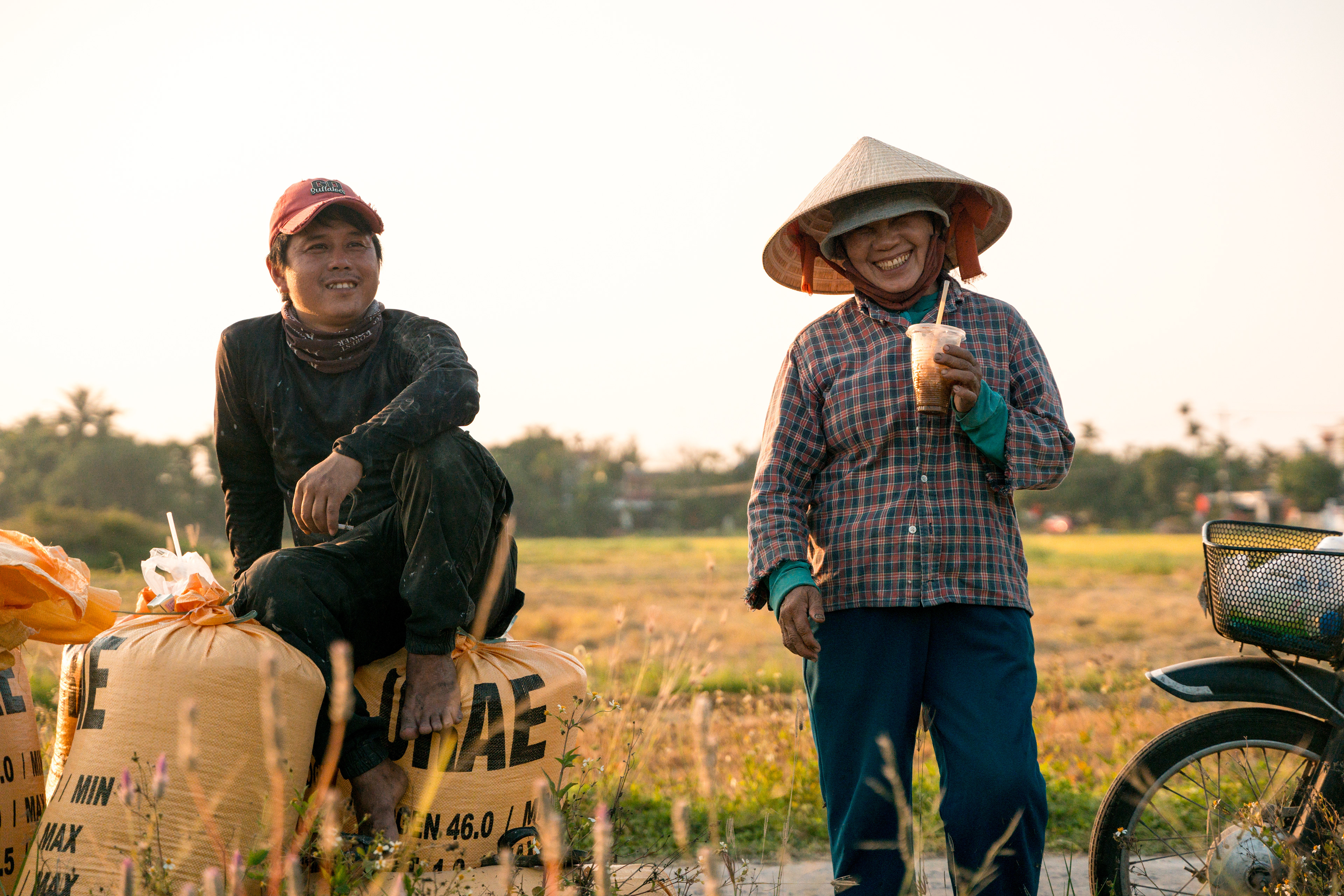
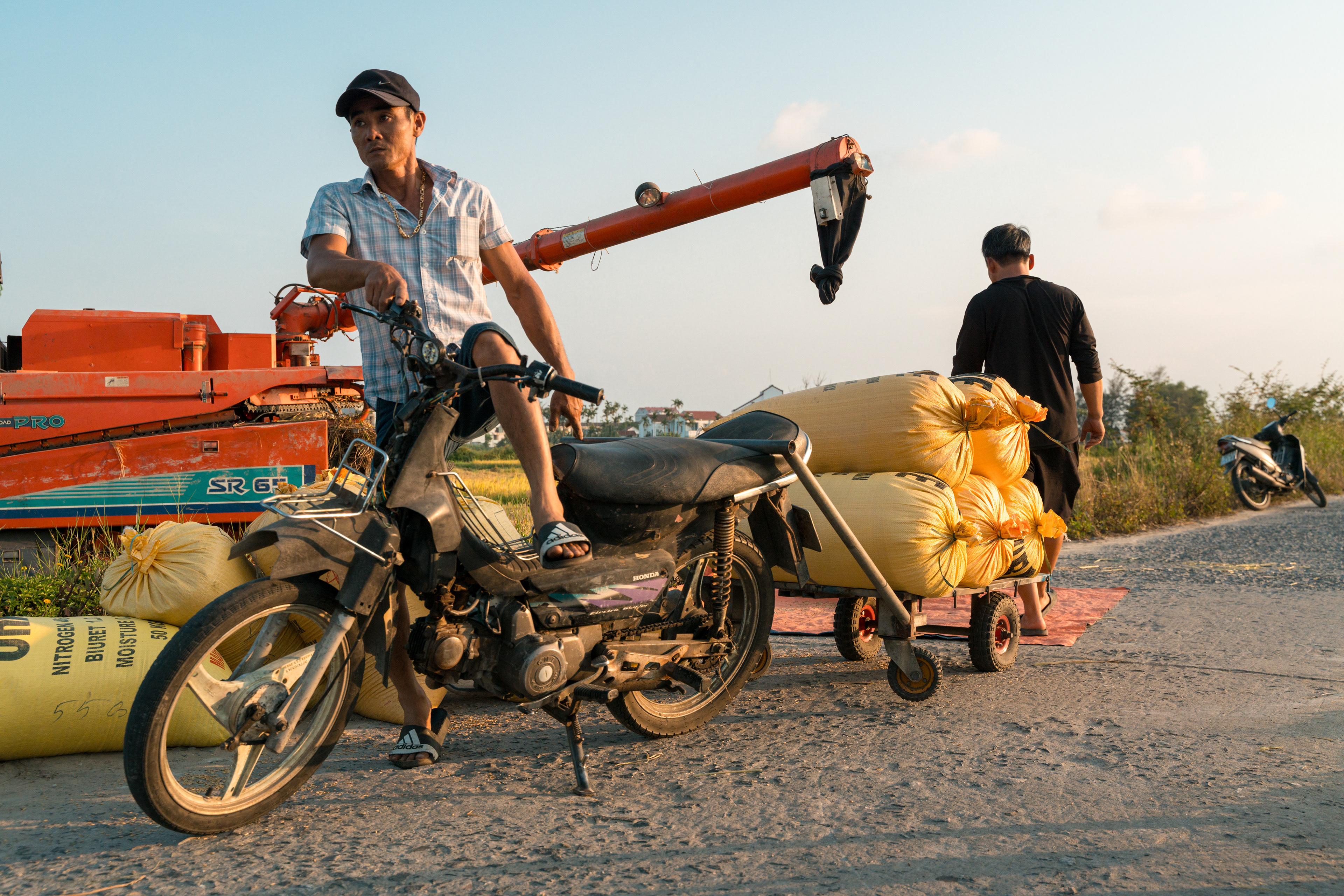
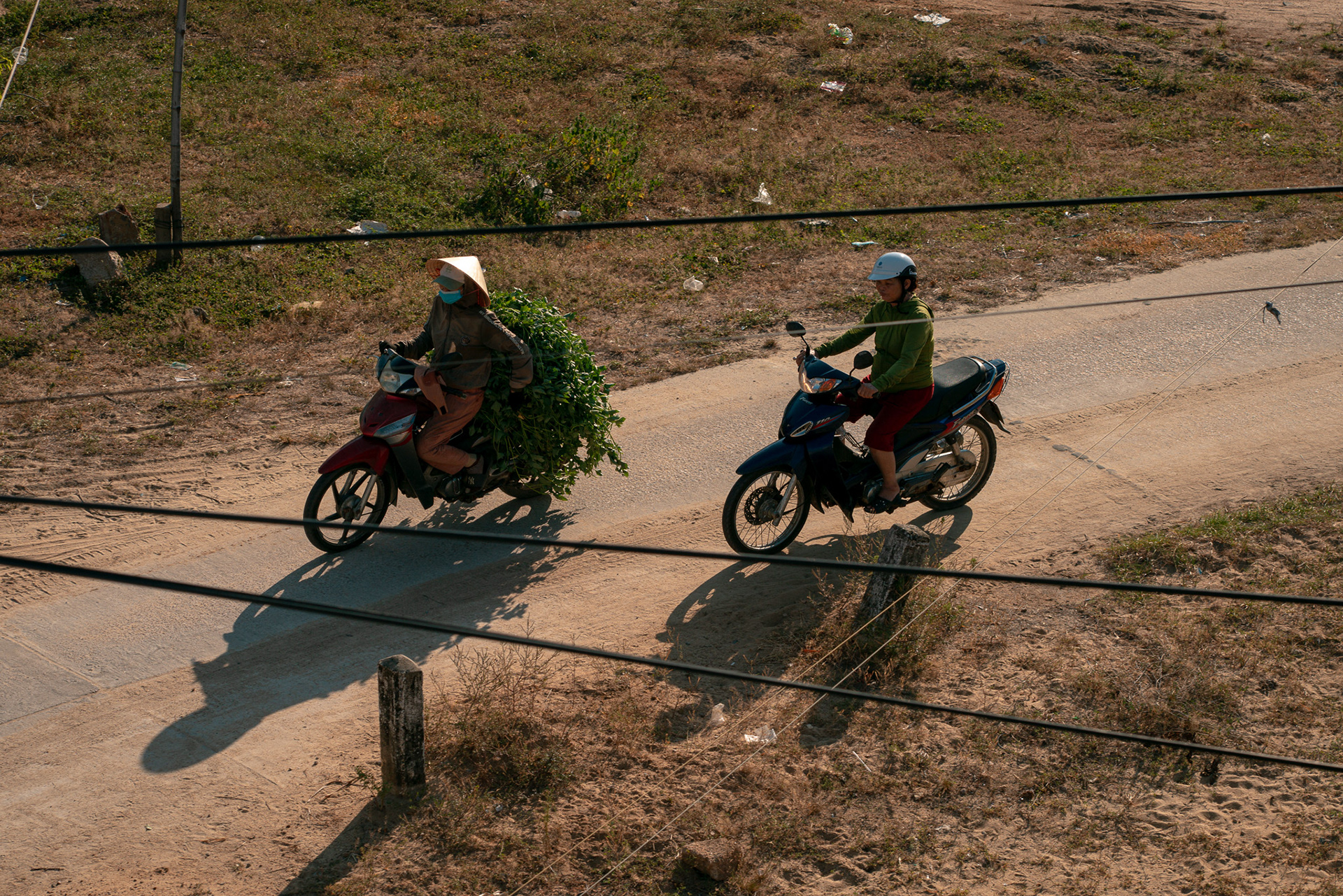
Motorbikes and bicycles become makeshift transport, stacked high with sheaves tied down with rope. On the roadside, neighbours gather to check crop quality, share a drink, or watch over the final loads being brought in. There’s a quiet cooperation to it all — an unspoken understanding of who does what, and when.
These scenes sit just outside the tourist routes, but they carry the weight of everyday life in Quảng Nam. The harvest isn’t a spectacle, but it’s the backbone that keeps the area moving, season after season.
Elements of the Mekong Delta — A Journey into People, Place & Plates
Behind the Lens of the WWF x Saigoneer Series
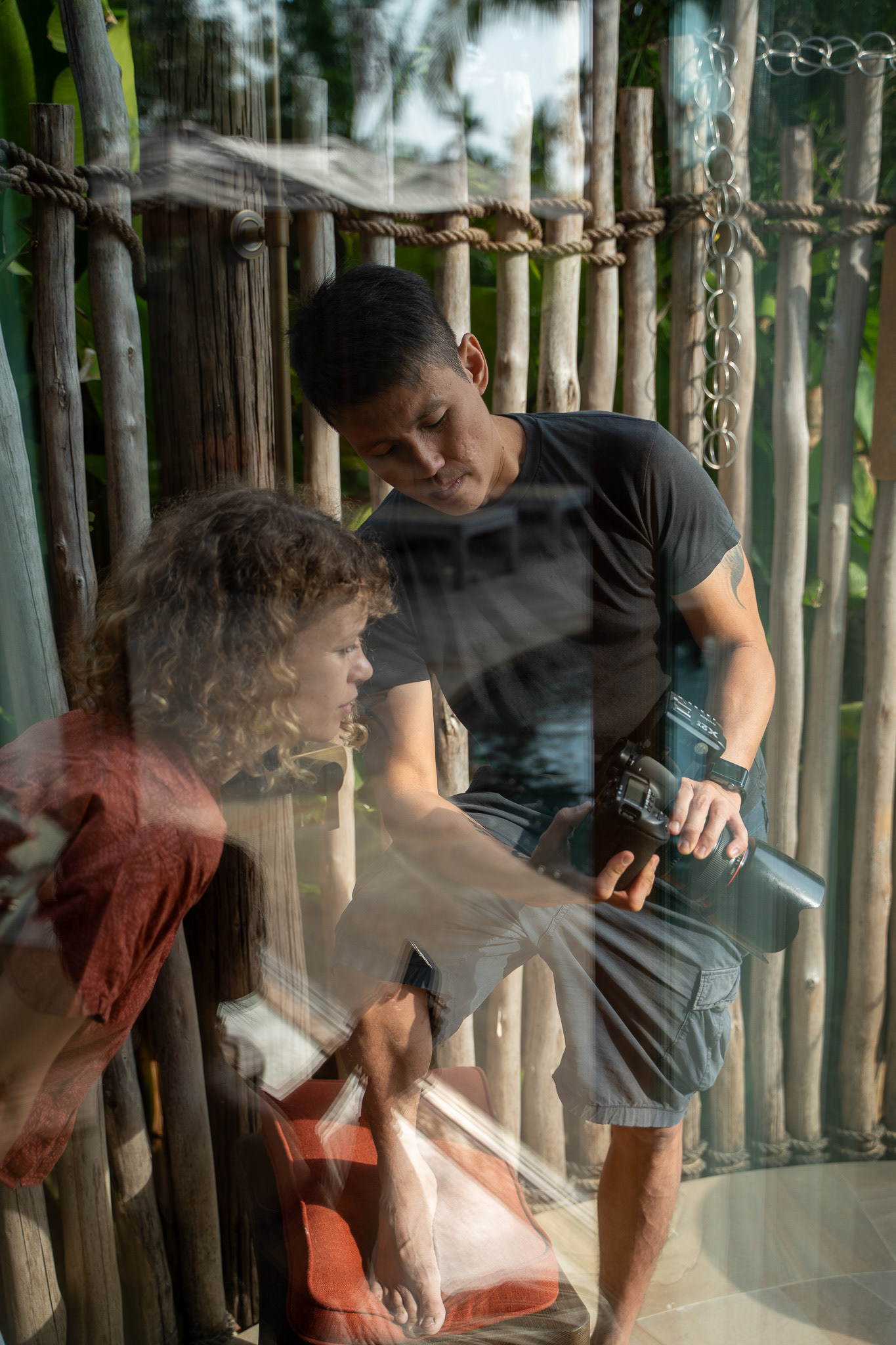
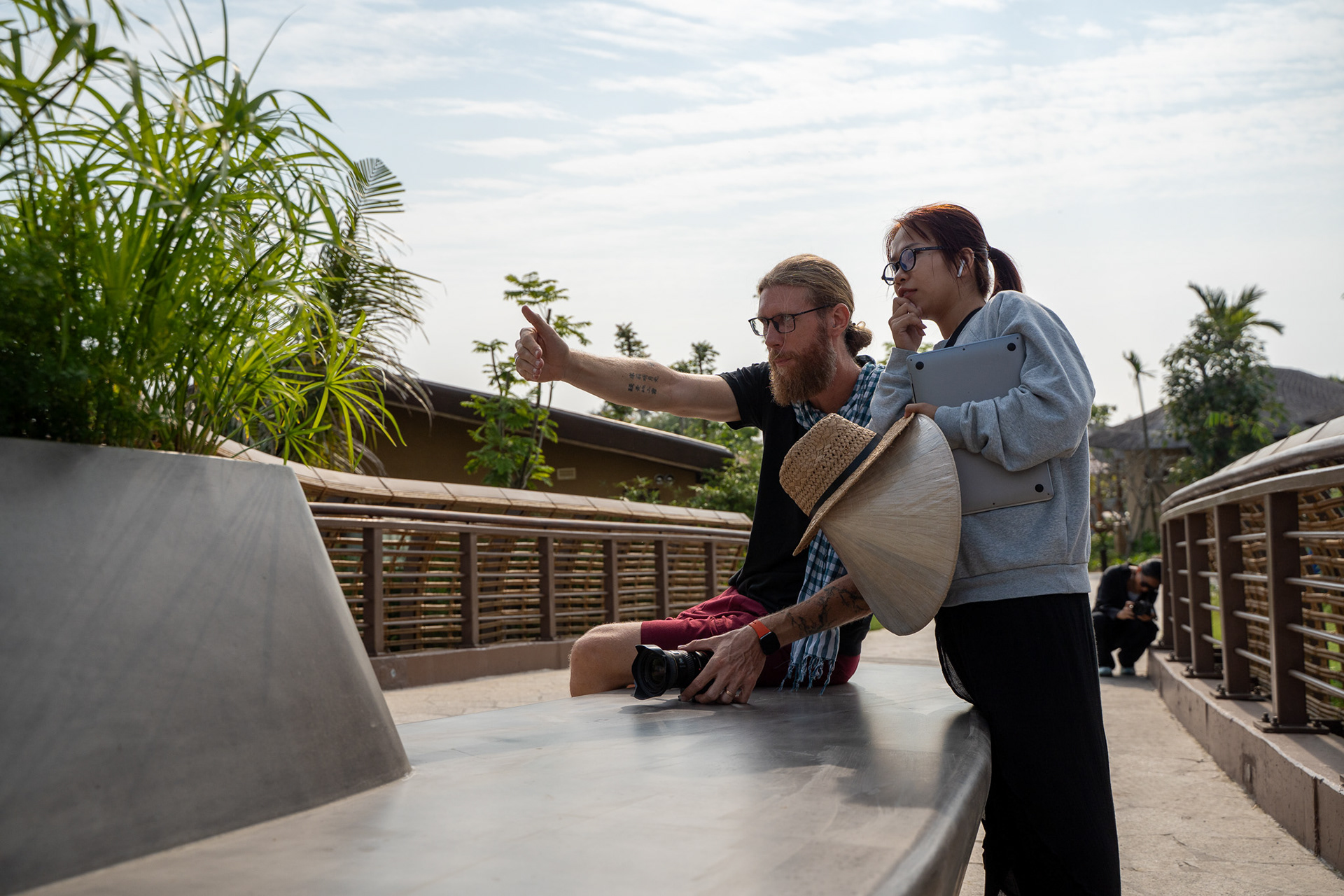
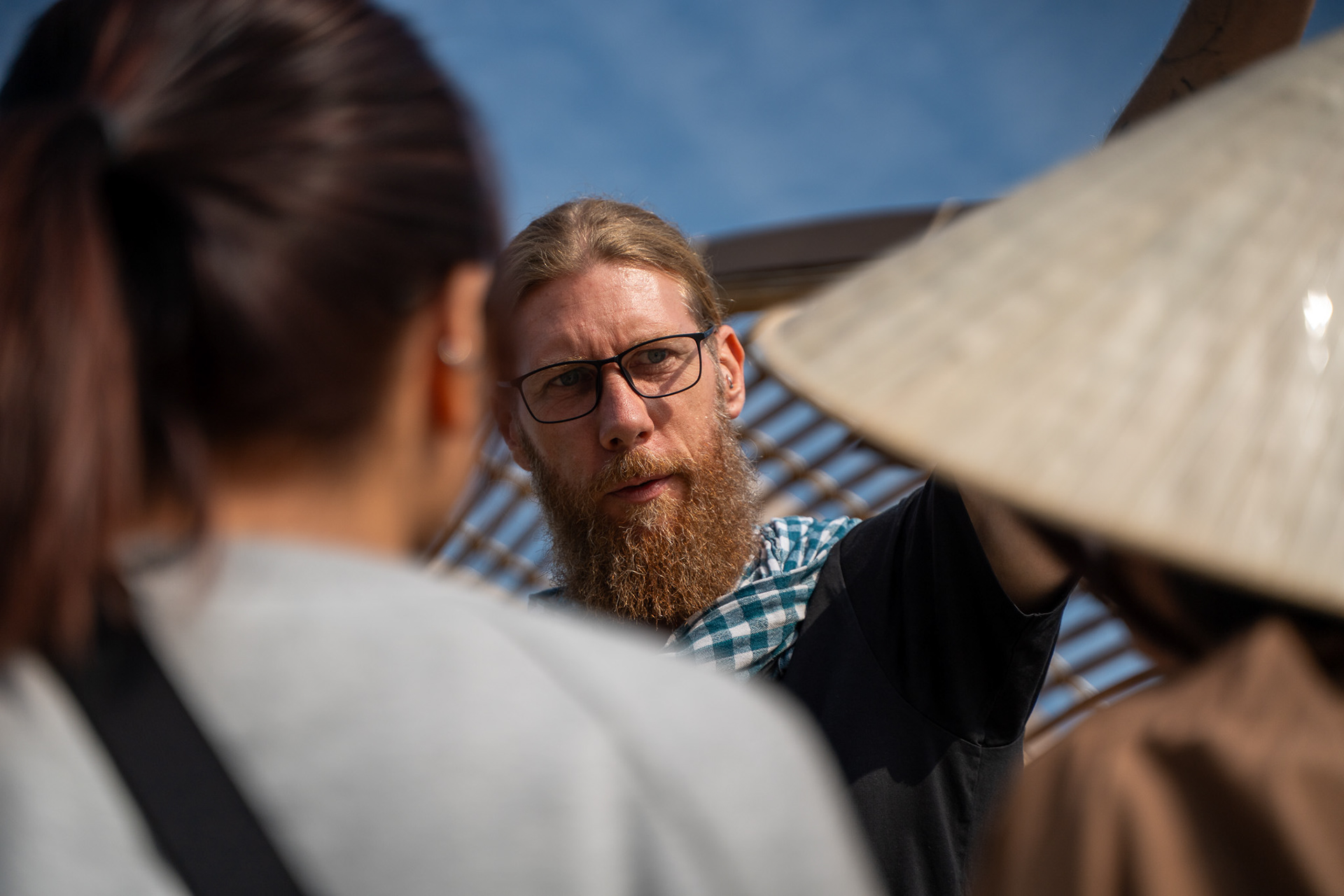
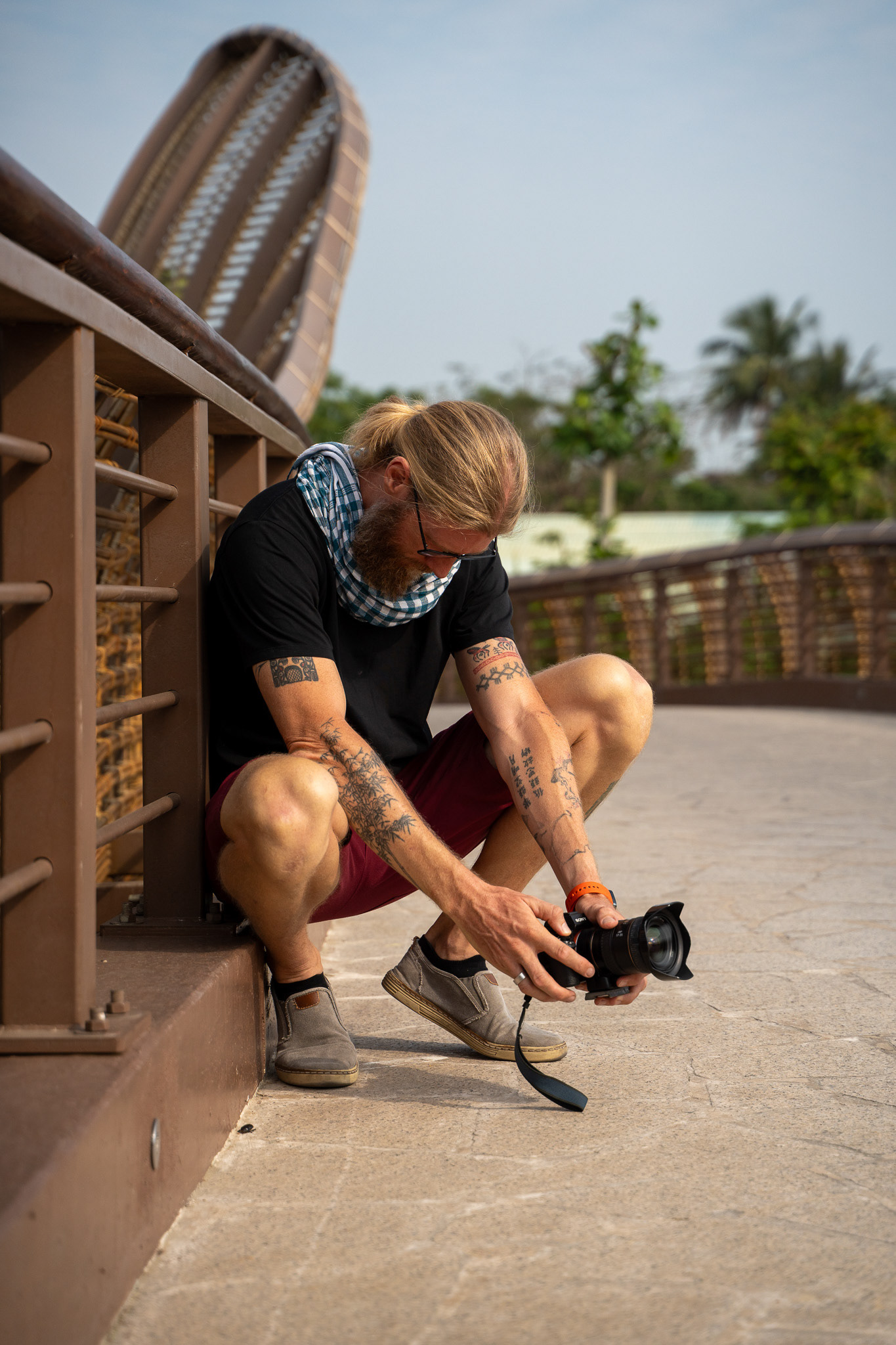
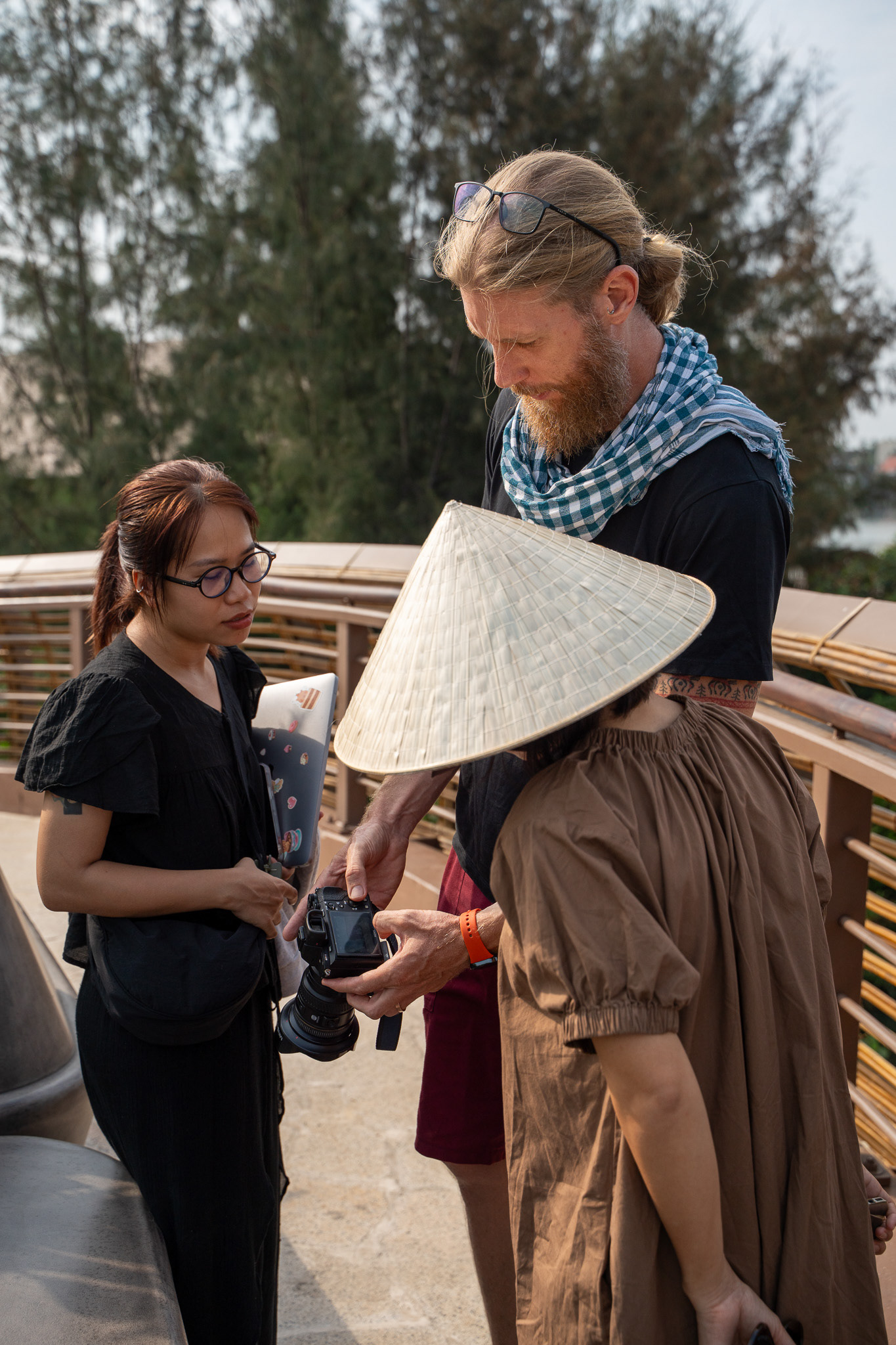
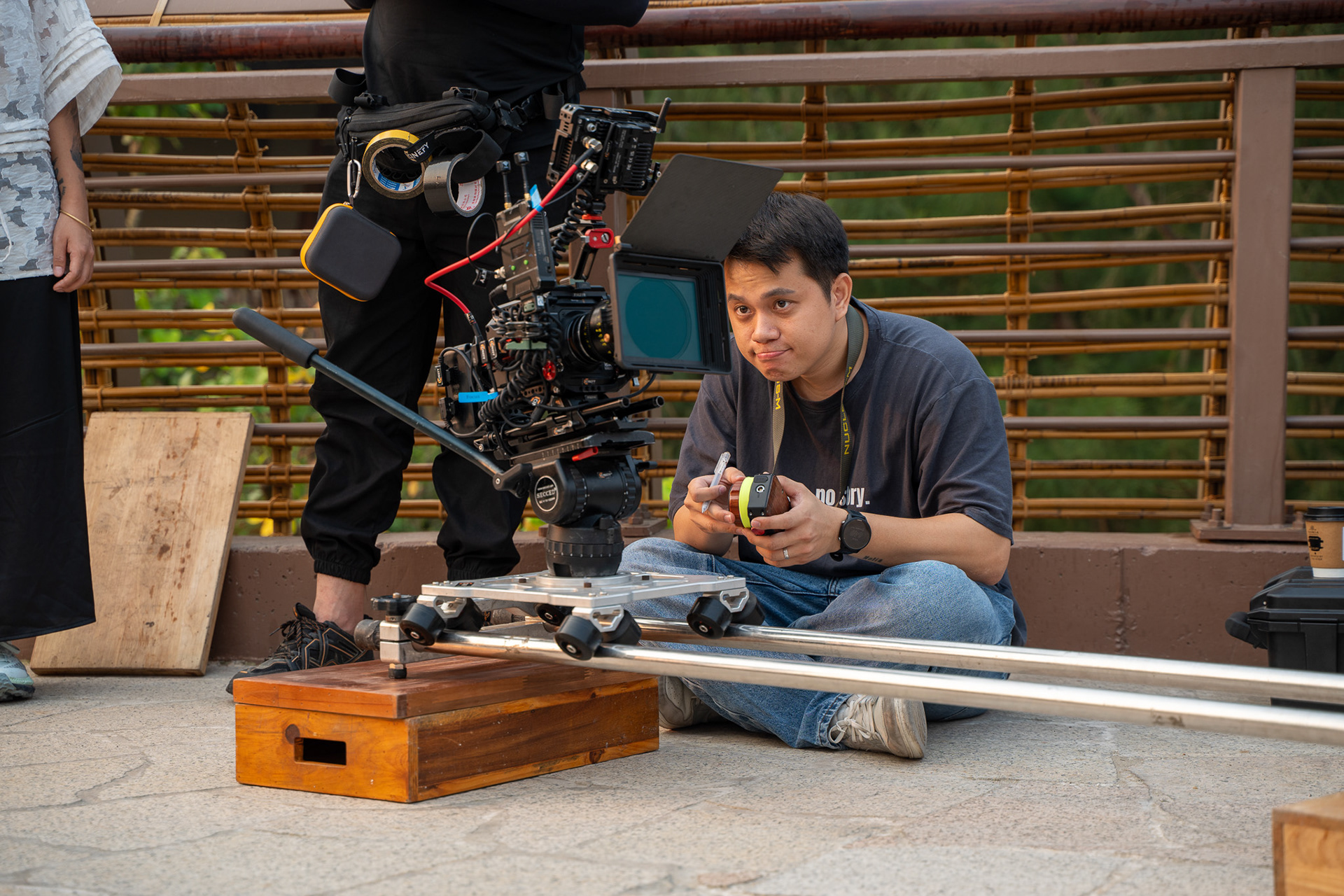
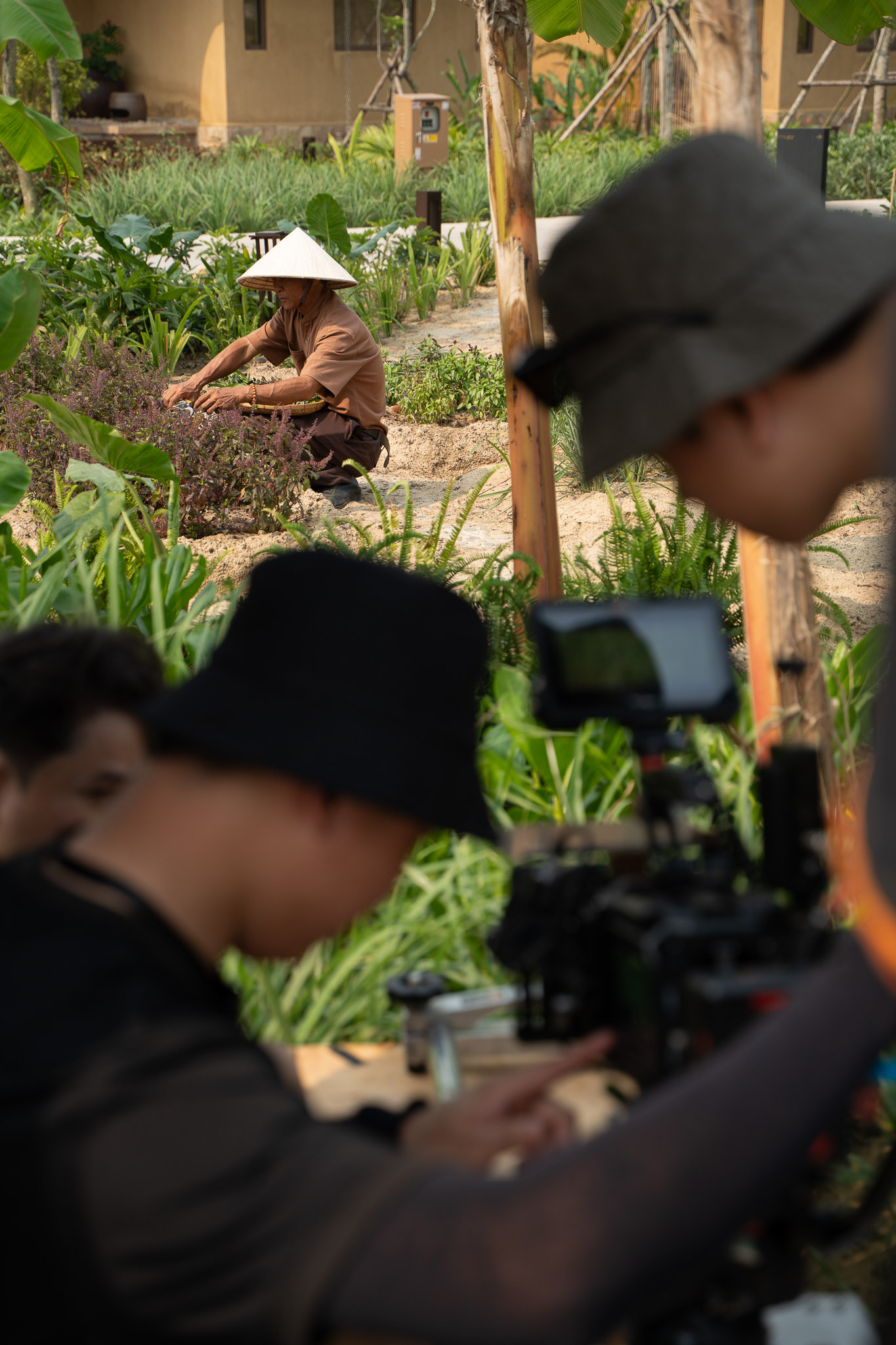
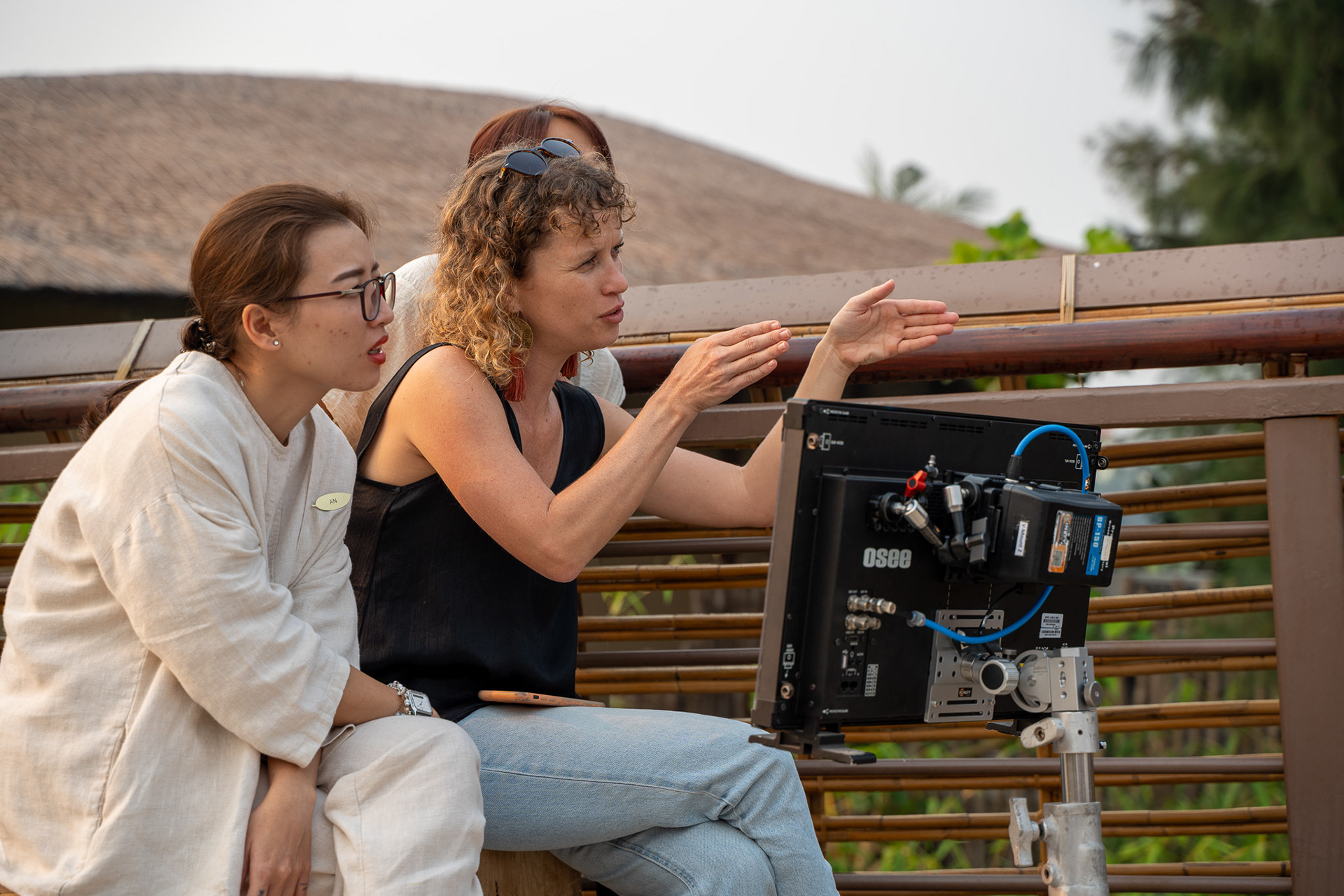
Elements of the Mekong Delta is a documentary video series produced in collaboration with WWF‑Viet Nam and published by Saigoneer, exploring the links between food, culture, and environmental sustainability in southern Vietnam. I worked as videographer on the series, travelling throughout the Mekong Delta to film on location in rural landscapes, wetlands, studios, restaurants, and chefs’ homes. The work focused on documenting people whose livelihoods and cooking practices are closely connected to the region’s ecosystems, capturing everyday processes, local knowledge, and place-based food culture through observational, documentary-style filmmaking.